






















Pakistani politics has always moved in cycles — rise, romance, rupture. But some moments are not cycles. They are closures.
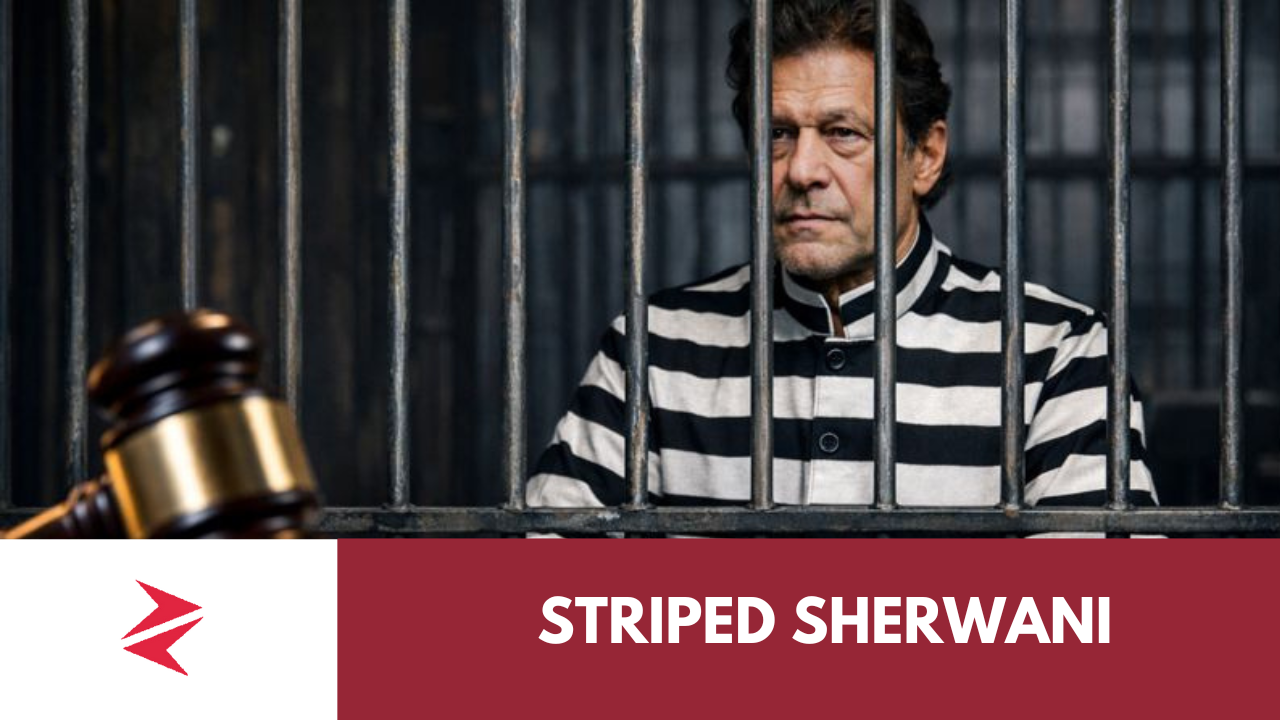
The sentencing of Imran Khan to 17 years in prison with financial penalties is not merely a legal development. It is a political punctuation mark. A full stop. It signals the end of an era that once promised moral clarity and delivered institutional collision.
This is not about sympathy or vendetta. This is about consequence.
From Symbol to System Stress-Test
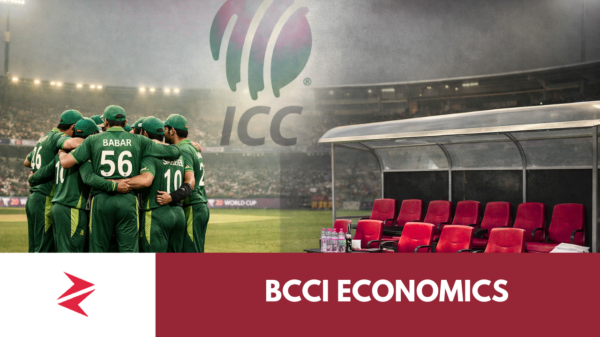
Imran Khan’s ascent was built on symbolism. A World Cup hero. An outsider. A man who spoke in absolutes to a nation exhausted by compromise. Through Pakistan Tehreek-e-Insaf, he offered Pakistan something intoxicating: the belief that intent alone could substitute experience, and rhetoric could outrun governance.
For a while, it worked.
Young voters rallied. Old parties trembled. The political order bent.
But symbolism collapses the moment it meets the machinery of the state — economy, diplomacy, bureaucracy, law. And when tested, Khan’s leadership did not reform institutions; it personalized them.
Governance became grievance. Accountability became selectivity. Dissent became betrayal.
The Sentence That Changed the Conversation
The 17-year sentence is not being read by the public as a technical judgment. It is being read as a line being drawn — not just against a man, but against the idea that popularity grants immunity.
For years, Khan framed every investigation as conspiracy, every institution as compromised, every outcome as illegitimate unless it favored him. That narrative energized supporters — but it also hollowed out trust in the very systems required to govern.

Today, that narrative has hit its wall.
The silence from large segments of the public is telling. There are protests, yes. But there is also fatigue. A collective realization that perpetual agitation is not a substitute for administration.