







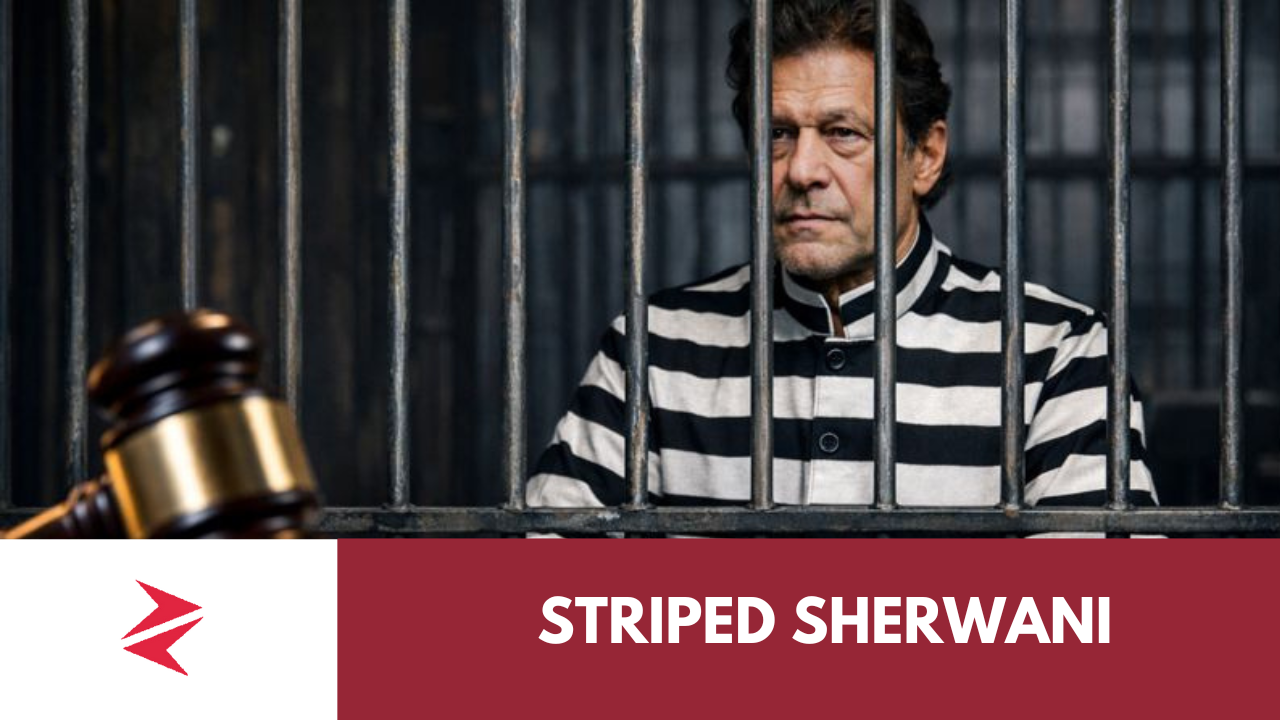
PTI’s Collapse Was Structural, Not Accidental
The decline of PTI is often blamed on “establishment fallout” or “external pressure.” That explanation is convenient — and incomplete.
PTI hollowed itself out by:
-
Replacing policy with personality
-
Loyalty tests instead of competence
-
Street power instead of parliamentary craft
When leadership is centralized around one voice, the moment that voice is removed, the structure collapses. Today, PTI is discovering that movements don’t survive on hashtags alone.
The Quiet Return of Governance Politics
While PTI dominated attention, Pakistan Muslim League (N) rebuilt quietly — files, ministries, budgets, execution.
Under Nawaz Sharif’s political lineage, PMLN focused on the unglamorous: infrastructure, fiscal discipline, institutional continuity. That approach doesn’t trend — but it delivers.
Public sentiment is shifting not because people are suddenly in love with PMLN, but because they are tired of chaos marketed as courage.
The Youth Question: From Passion to Pause
Perhaps the most consequential shift is among young Pakistanis — once PTI’s unshakable base.
Many are no longer angry. They are simply disengaged.
They watched inflation spike. Diplomacy burn bridges. Governance stall. And now they are asking quieter, more dangerous questions:
What did all the shouting actually achieve?
When belief turns into introspection, political mythology begins to fade.

Conclusion: Power Ends, Institutions Remain
Imran Khan’s story will be debated for decades. His supporters will see injustice. His critics will see inevitability. History will likely record both.
But one fact stands uncomfortably firm: no individual is larger than the state.
The 17-year sentence is not the death of politics. It is the reassertion of rules over rhetoric, process over passion, consequence over charisma.
Pakistan has been here before. What matters now is whether it learns — or repeats.