





































Share the post “Megacities Without Farms: The Fragility of Modern Urban Civilization”
Pakistan and the Geography of Urban Dependence
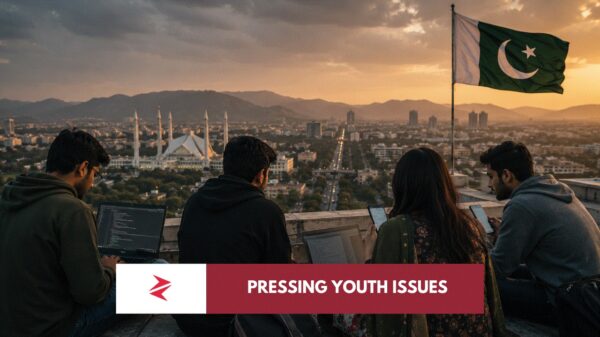
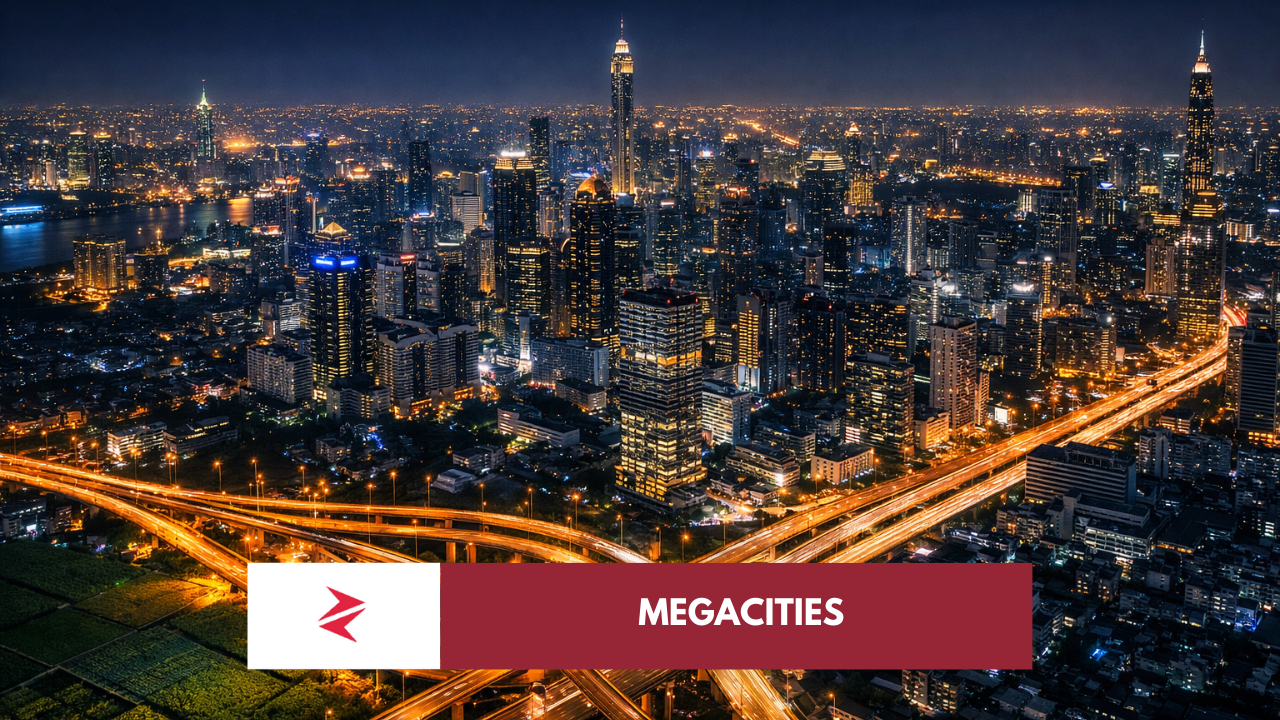
For Pakistan, this reality is particularly important. Cities such as Karachi and Lahore have expanded rapidly during the last few decades, absorbing millions of residents whose food, energy, and water supplies originate outside the urban boundaries.
Punjab’s agricultural heartland, irrigation systems powered by the Indus basin, fertilizer manufacturing, and transportation networks collectively sustain Pakistan’s urban population. The country’s food security, therefore, is not only an agricultural question but also a logistical one.
Disruptions to energy supply, transportation infrastructure, or agricultural productivity can ripple directly into urban stability.
Pakistan’s ongoing investments in hydropower, nuclear energy, and renewable technologies are not simply environmental choices — they are strategic attempts to strengthen long-term energy security in a world where supply chains remain vulnerable to geopolitical and economic shocks.
The Vision of Sustainable Cities
Yet the future does not necessarily have to remain trapped inside this fragile model. The coming decades could witness the transformation of cities into far more resilient ecosystems where urban life reconnects with nature rather than standing apart from it.
Imagine cities where rooftops function as gardens, where unused roadways gradually transform into orchards producing local food, and where rainwater harvesting systems double as micro-hydropower generators. Buildings insulated with moss, grass, and natural materials could regulate temperature while absorbing carbon. Urban wildlife could coexist with humans in carefully designed ecological corridors.
In such a scenario, the traditional separation between city and farmland would begin to dissolve.
Technological advances may also reshape mobility and energy consumption patterns. Remote work enabled by high-speed communication networks could reduce daily commuting. Electrified urban transportation systems — from monorails to autonomous transit corridors — could drastically lower fossil fuel consumption within cities.
Even aviation could evolve into cleaner alternatives such as airship-like cargo platforms designed for low-energy transport.
The vision of greener cities integrated with nature is not a utopian fantasy. It is a plausible direction for technological development if governments, businesses, and communities align their priorities toward sustainability.