






































Share the post "Manufacturing in Pakistan: The Cell Phone Example"
Why the “assembly vs manufacturing” argument misses the economics, the history, and the data
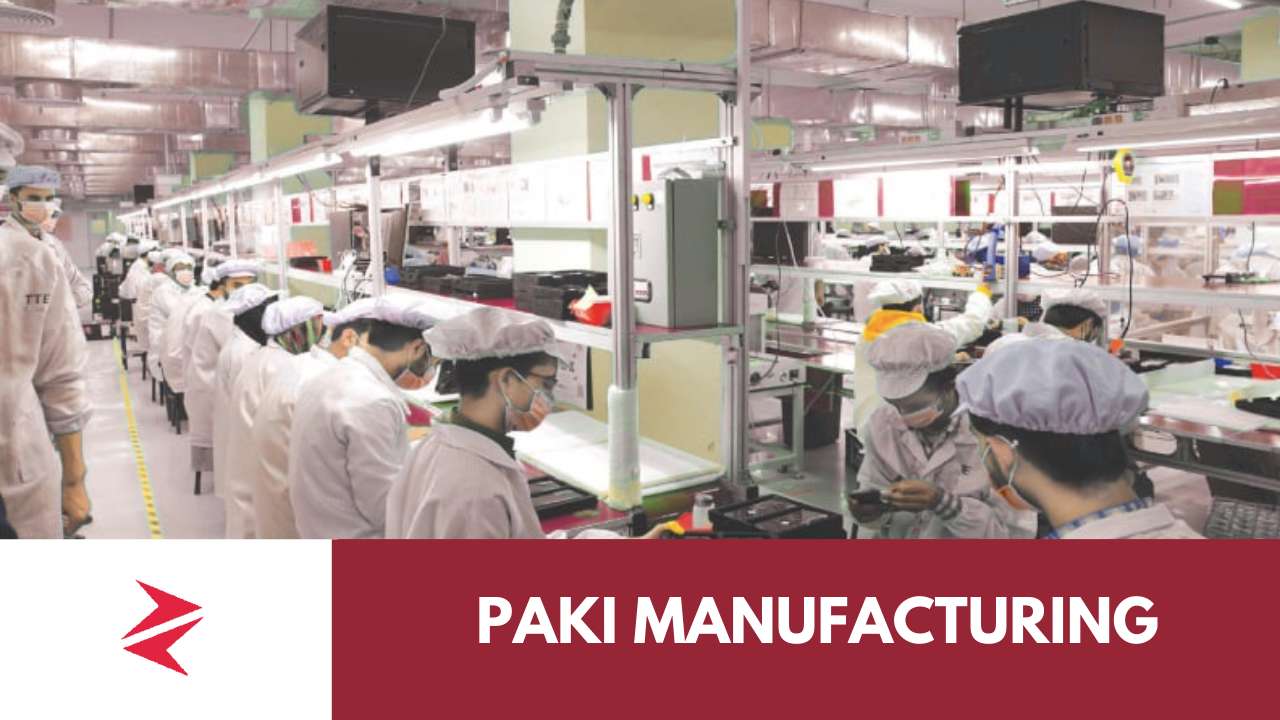
Few sectors expose this pathology as clearly as mobile phone manufacturing.
In 2024, Pakistan produced 31.4 million mobile phones, a 47% year-on-year increase, meeting 94% of domestic demand through local manufacturing. In 2016, the same figure was 1%. That is not cosmetic progress. It is a structural transformation of a major consumer-electronics sector.
Yet the immediate response from the purity police is predictable: “But what percentage of local value addition?”
That question reveals more about agenda than about manufacturing economics.
Share the post "Manufacturing in Pakistan: The Cell Phone Example"