if ( function_exists( 'pgntn_display_pagination' ) ) pgntn_display_pagination( 'multipage' );

Hi, what are you looking for?
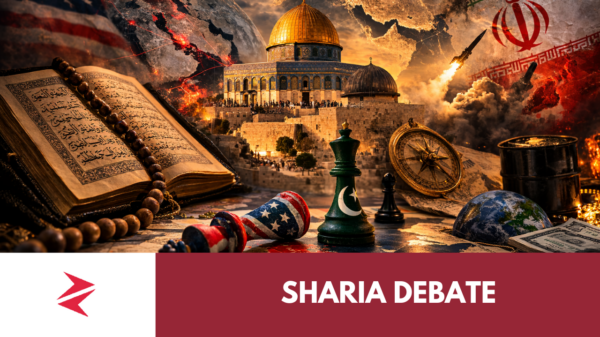
Religion, War Narratives, and Geopolitics: The Sharia Debate, Iran, and the Politics of Eschatology
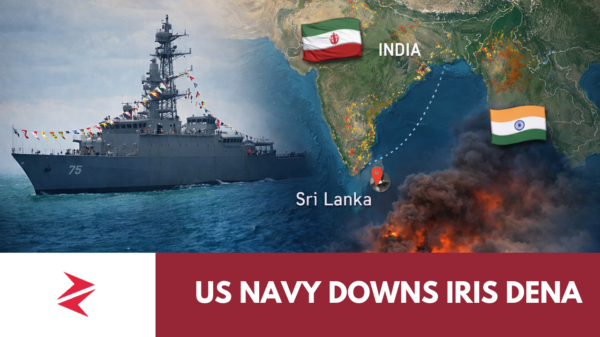
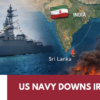
Iranian Navy frigate IRIS Dena Sunk in the Indian Ocean during return voyage after MILAN naval exercise near Sri Lanka
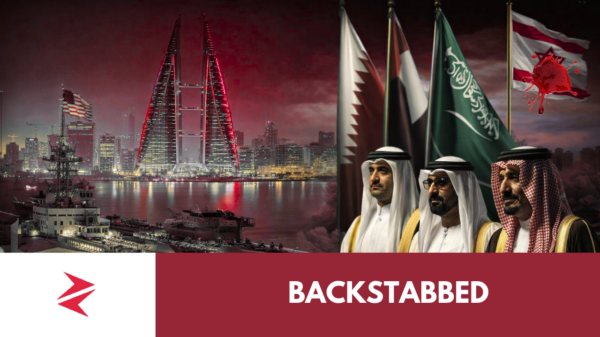
The Strategic Silence: Has the United States Abandoned the GCC for Israel?
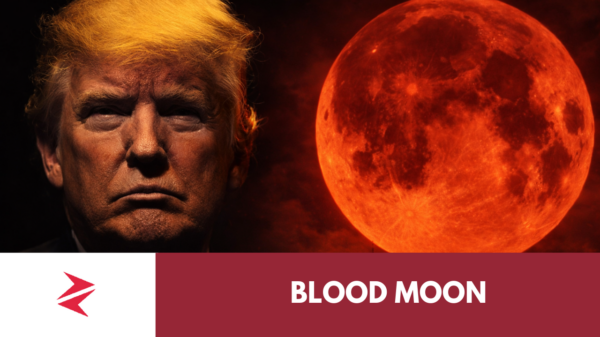
The Blood Moon, Purim, Trump, and the Politics of Pattern Recognition
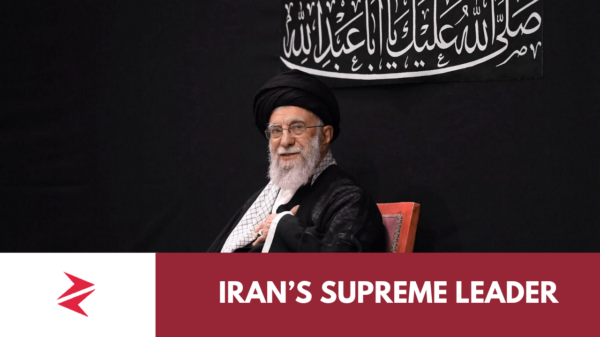
Iran’s Supreme Commander Ayatollah Khamenei is not DEAD. He is Alive.
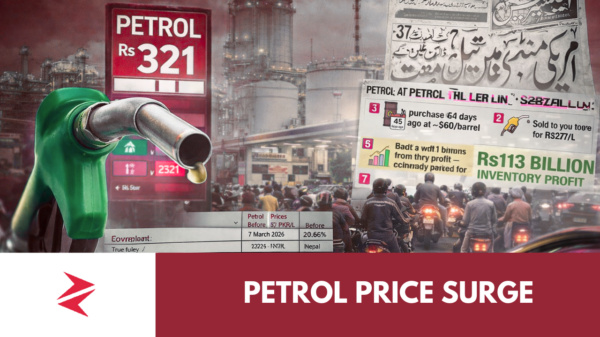
Pakistan’s Petrol Price Shock: Why a 28-Day Oil Reserve Didn’t Prevent an Immediate Fuel Hike
Unity Foods, Wilmar, and the Illusion of Stability: A Forensic Look at Pakistan’s Most Misread Food Stock
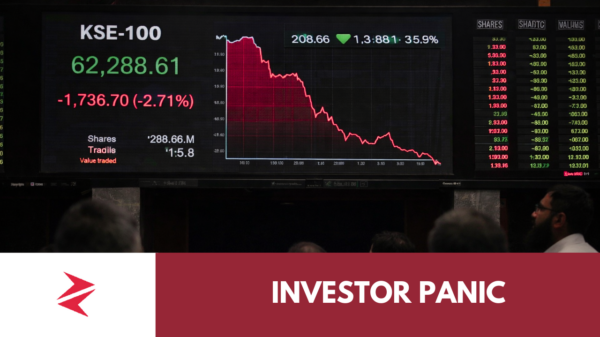
Will PSX Crash? PSX Volatility, Investor Psychology & Pakistan’s Optimal Economic Response
How IMF Programs Actually Move PSX: Short-Term Relief vs Long-Term Reality
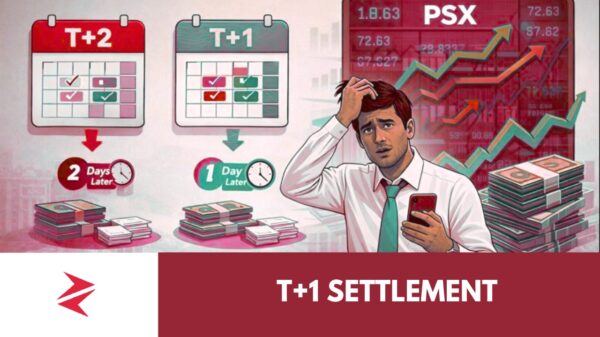
PSX Moves to T+1 Settlement: Why February 9, 2026 Changes Everything
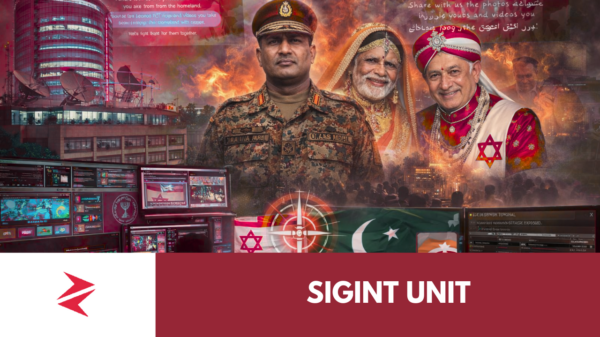
Israeli Intelligence Corps SIGINT unit
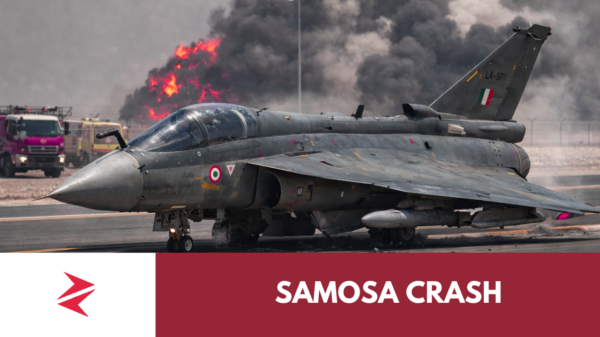
Third Major Tejas Crash: Pattern, Not Panic — But Definitely Pressure
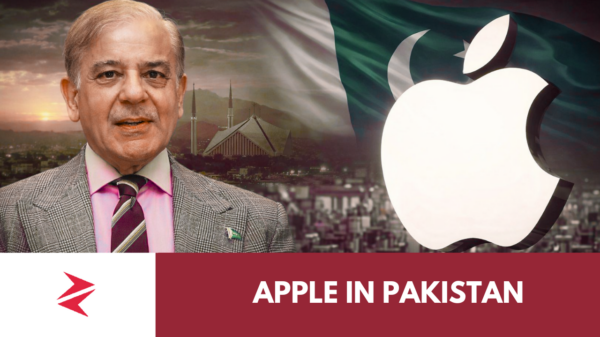
Apple iPhone Manufacturing in Pakistan: Hype, Hostility, or Historic Opportunity?
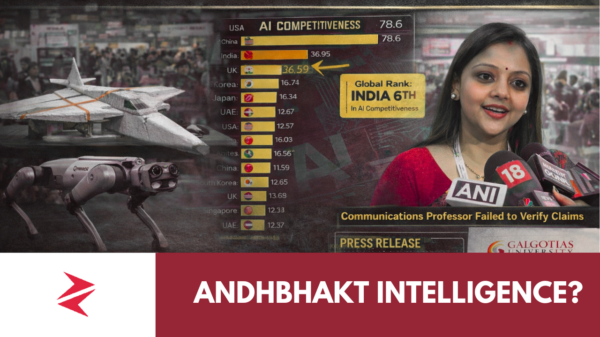
Galgotias University and the AI Summit Embarrassment: Fraud, Hype, and the Real Question of Innovation
ISRO’s Orbit, SUPARCO’s Trajectory — And Why PRSC-EO2 Changes the Regional Space Conversation
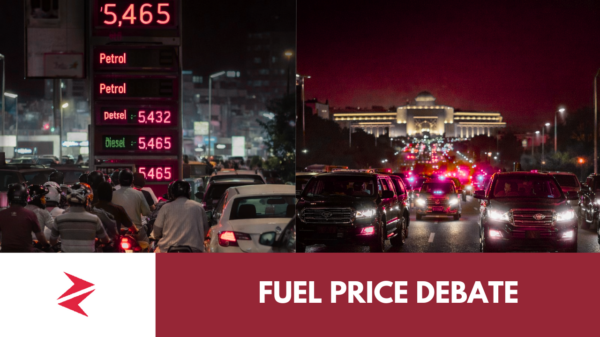
Pakistan’s Fuel Price Debate — The Numbers Behind Petrol, Protocol and Power
LUMS, Mohsin Dawar, and the Punjabi Question: Are We Afraid of Debate or Afraid of Ourselves?
Pakistan’s Firewall Failure Debate: Sovereignty, Surveillance, and the PKR 40 Billion Question
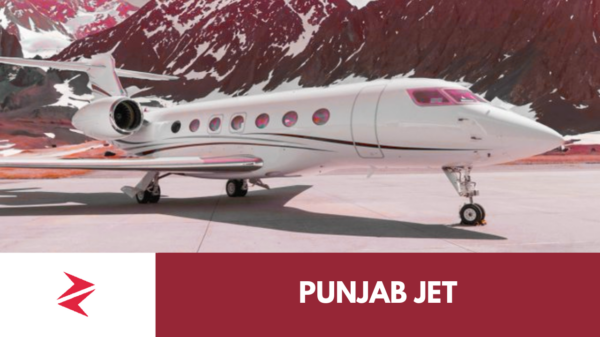
Punjab’s $40 Million Gulfstream G500: Strategic State Asset or Elite Optics in a Strained Economy?
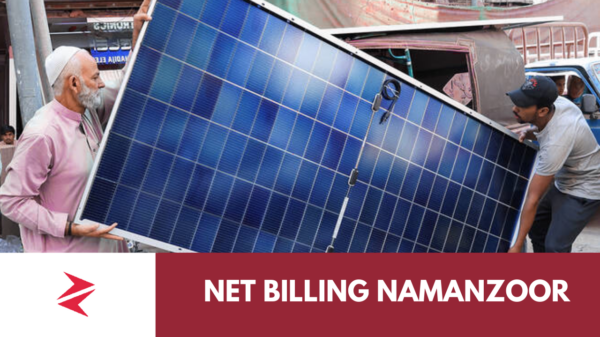
Pakistan: The Only Country Where Producing Electricity Is Penalized — and Not Producing It Is Guaranteed
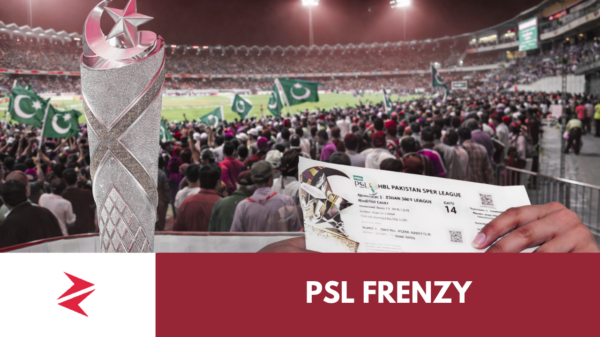
PSL Ticketing Crisis: When Logistics Start Competing With the Game
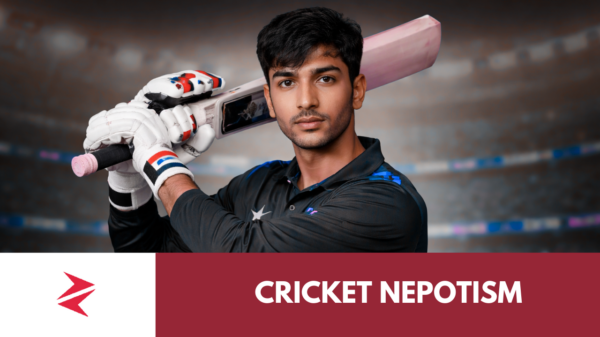
Shamyl Hussain and the Merit Debate: When Performance Meets Pakistan’s Domestic Pathway
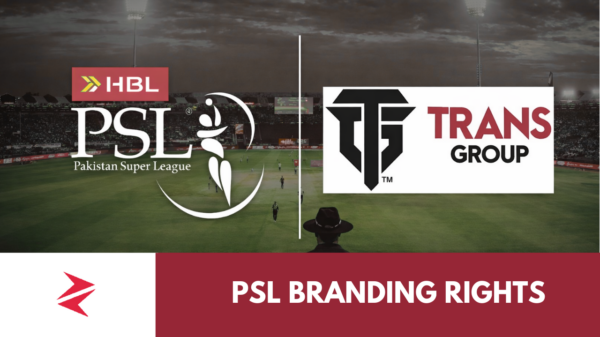
HBL PSL brand partnership rights announced for 2026–2029 cycle with TransGroup FZE record bid
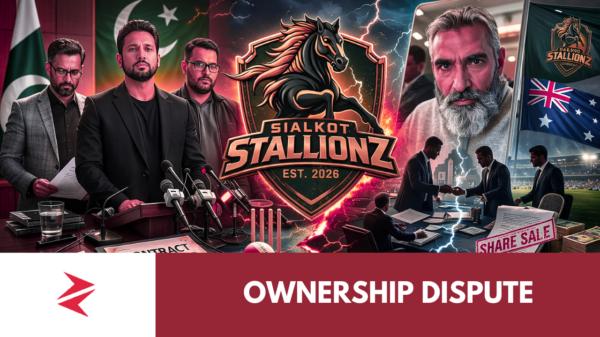
PSL 2026 Shockwave: Sialkot Stallionz Rocked by Ownership Crisis as Majority Owner M. Shahid Flags Unauthorized Share Sales to PCB
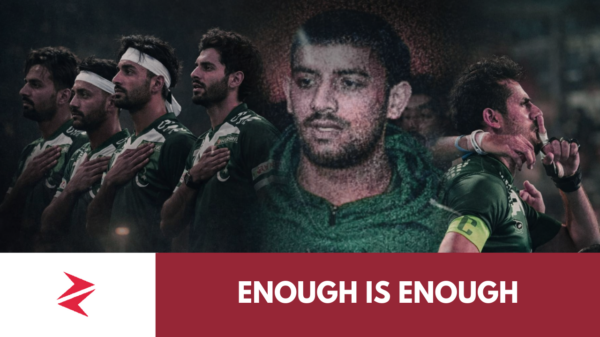
Pakistan Hockey Pro League Australia Tour Scandal: National Pride Left Stranded
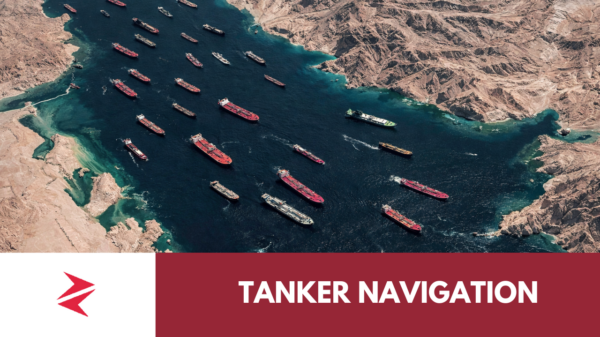
The Strait of Hormuz Is Not Closed. It Is Becoming Uninsurable.
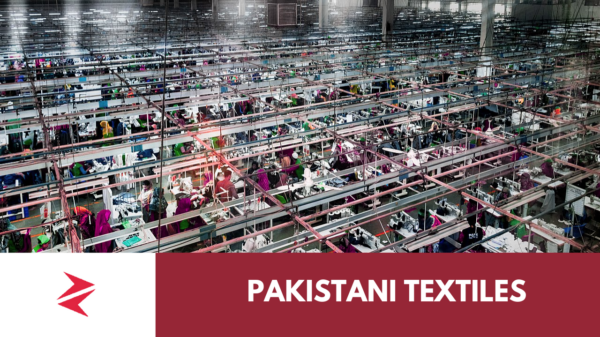
Pakistan’s $30 Billion Textile Dream: Distortion, Discipline, or Delusion?
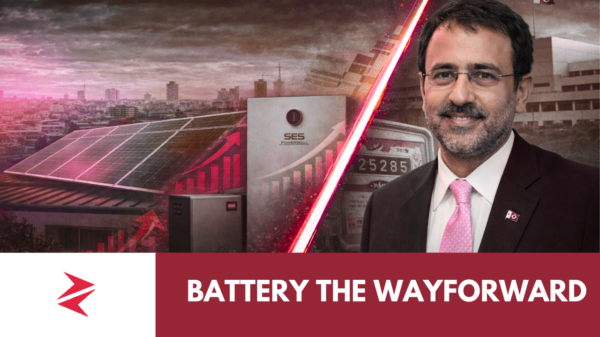
Net Billing 2026 and the Strategic Role of a 51.2V 314Ah Battery in Pakistan
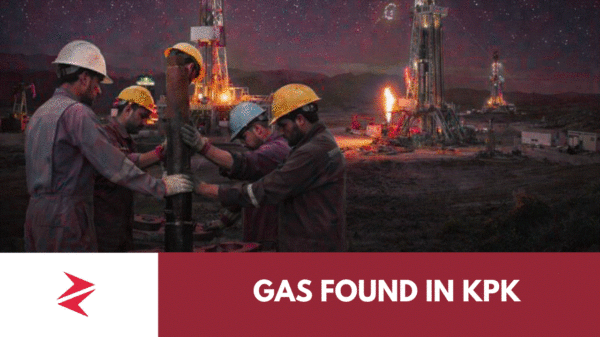
Why Pakistan Oilfields Limited’s Biltang-1 Gas Discovery Could Quietly Trigger Pakistan’s Next Energy Shift in 2026
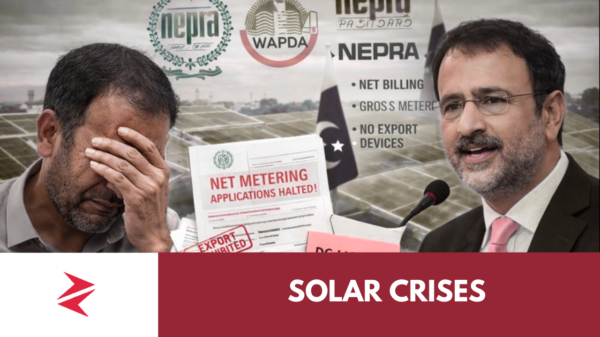
Net Billing Makes it No More Beneficial to Sell Solar Energy Back to WAPDA
Pakistan’s $30 Billion Textile Dream: Distortion, Discipline, or Delusion?
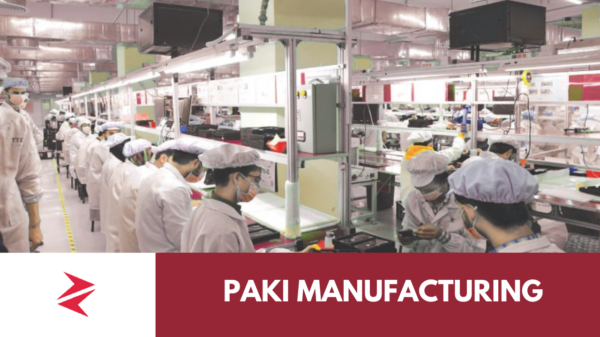
Manufacturing in Pakistan: The Cell Phone Example
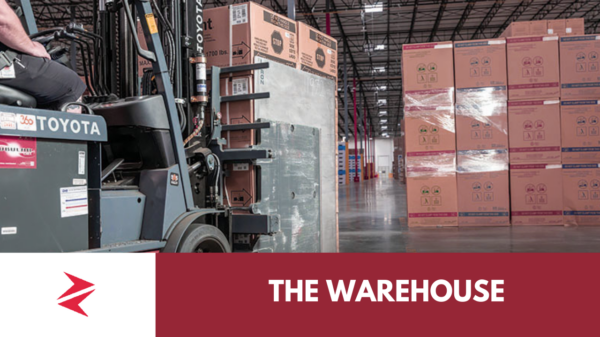
Top 35 Popular Pakistani Online Retail Stores: The Next Retail Model for Pakistan: Lessons from Appliances Online
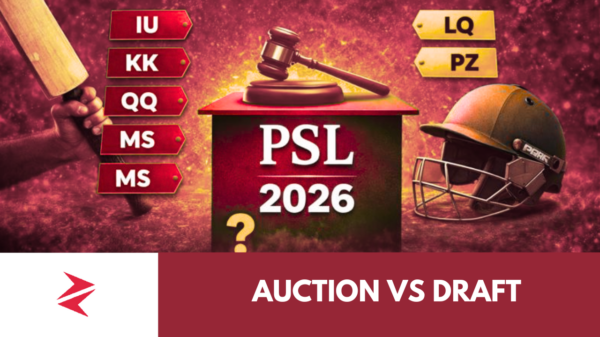
PSL 2026 Players Retention Model: Who Wants Auction vs Who Wants Draft

Stable Coins and Social Media Banks
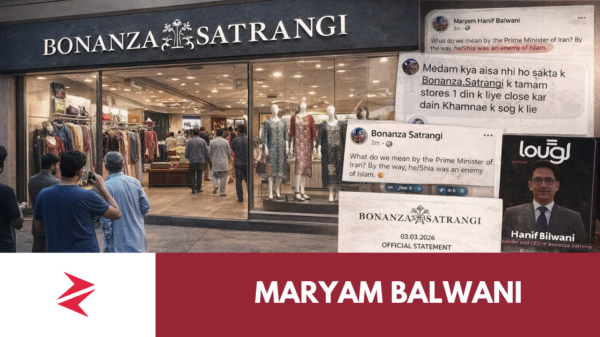
Bonanza Satrangi Controversy: Screenshots, Sectarian Backlash, and a Brand Fighting to Control the Narrative
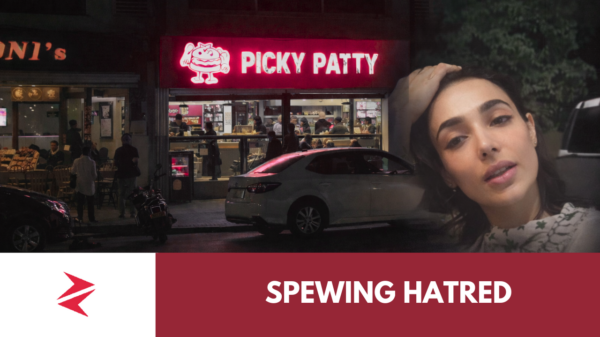
Roni’s Pizzeria & Picky Patty by Saheefa Jabbar Khattak Cancelled
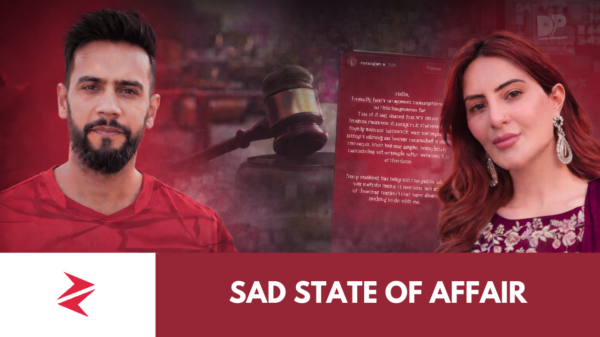
Proven Imad Waseem Scandal: Marriage with Nyla Raja

PIA’s “Flying Nanny” Era: When Pakistan’s Flag Carrier Became Guardian of a Diaspora’s Children
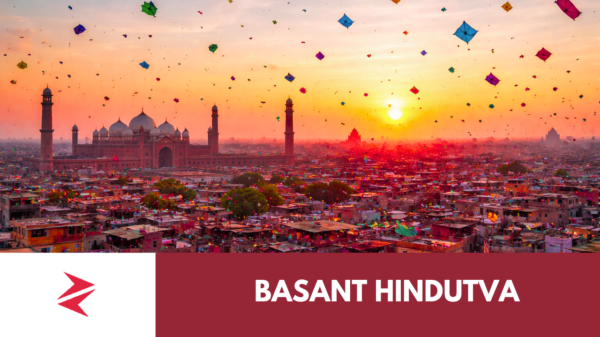
Basant Is Not Borrowed Faith. It Is a Localised Cultural Practice Pakistan Never Fully Lost.
Bonanza Satrangi Controversy: Screenshots, Sectarian Backlash, and a Brand Fighting to Control the Narrative
Roni’s Pizzeria & Picky Patty by Saheefa Jabbar Khattak Cancelled
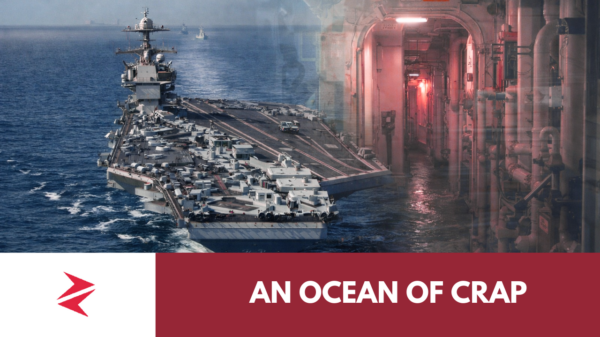
USS Gerald R. Ford Toilet Crisis: Plumbing Failure, Propaganda, and the Politics of Perception
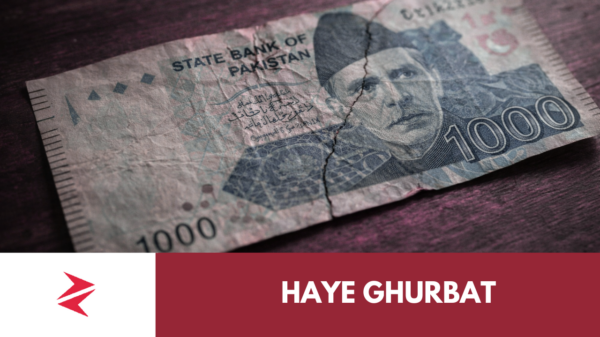
Poverty Gini Coefficient: Pakistan Is Getting Poorer — And More Unequal
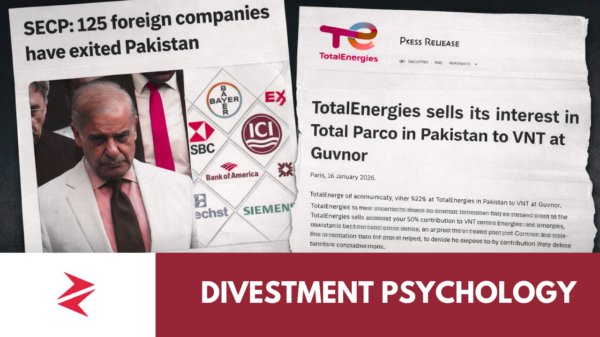
SECP’s 125 Foreign Companies Exit List: Collapse Narrative or Strategic Capital Rotation?