







































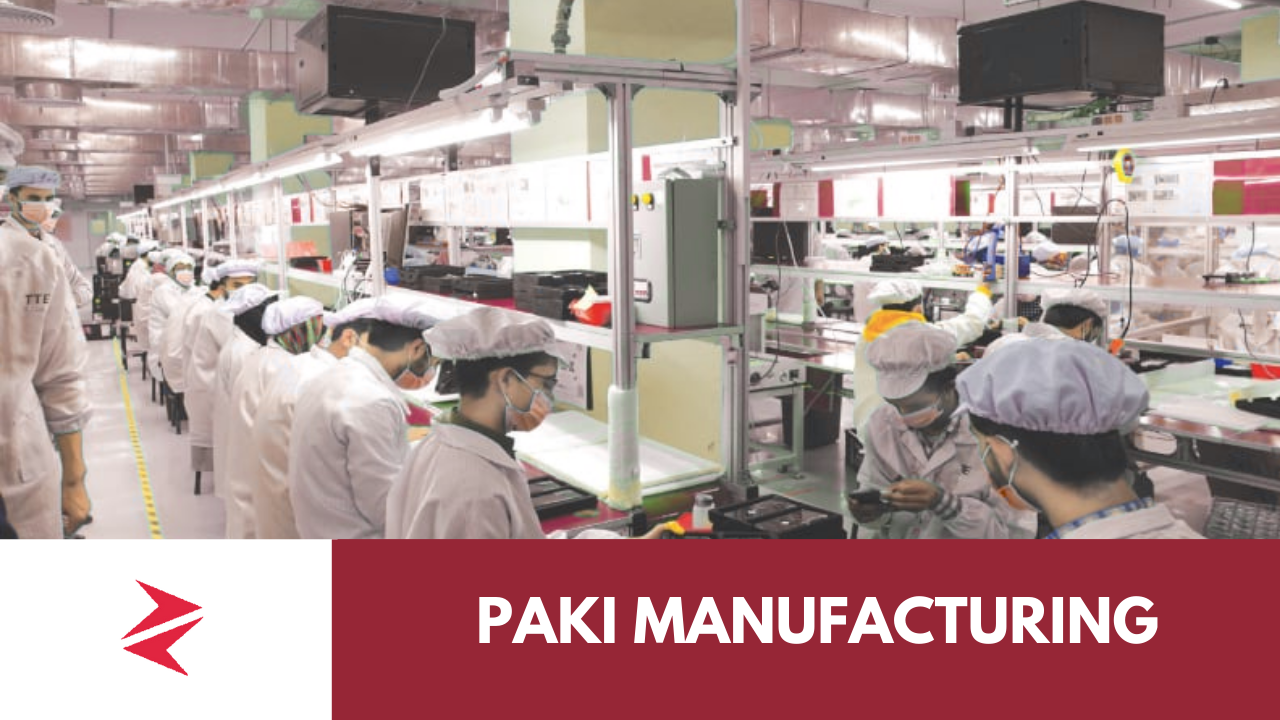
“Pakistan Can’t Do High-Value Electronics” — Except It Already Does
Higher-value capability exists — often ignored because it doesn’t fit the narrative.
• Karachi-based Ronin manufactures smart wearables and tech accessories domestically, including plastics and acoustic design
• National Institute of Electronics operates SMT lines with 30,000 components/hour placement capability
• Multiple Pakistani firms provide PCB design and SMD assembly to international clients
At the frontier:
In 2022, undergraduate researchers at Micro Electronics Research Lab taped out Pakistan’s first RISC-V System-on-Chip, fabricated via SkyWater’s 130nm process through Google’s free tape-out program. Since then, nine tape-outs have been completed.
Islamabad-based Aql Tech Solutions now develops RISC-V processor IP, scaling from 5 engineers to 40+ in under two years.
In 2021, IEEE Spectrum noted Pakistan’s adoption of RISC-V alongside India as a national architecture for homegrown chip development.
This is Level 5 capability — design, not fabrication. The same division of labor that exists globally.
The Question That Exposes the Bad Faith
When someone asks, “What percentage of local value addition makes something truly manufactured?” ask them to name a number. Then apply it consistently to Apple, Germany, Japan, and Korea at comparable stages.
The truth is uncomfortable: the question is designed so Pakistan can never pass.
What Pakistan Has Actually Achieved
-
A near-total shift from imports to domestic production in under a decade
-
Tens of thousands of skilled jobs created
-
Billions saved in foreign exchange
-
A growing electronics manufacturing ecosystem
-
Human capital development at scale
-
Early export potential in electronics and design
Every successful manufacturing nation started exactly here.

The critics can keep moving goalposts.
The factories keep running.
The workers keep getting paid.
The capability keeps compounding.