






























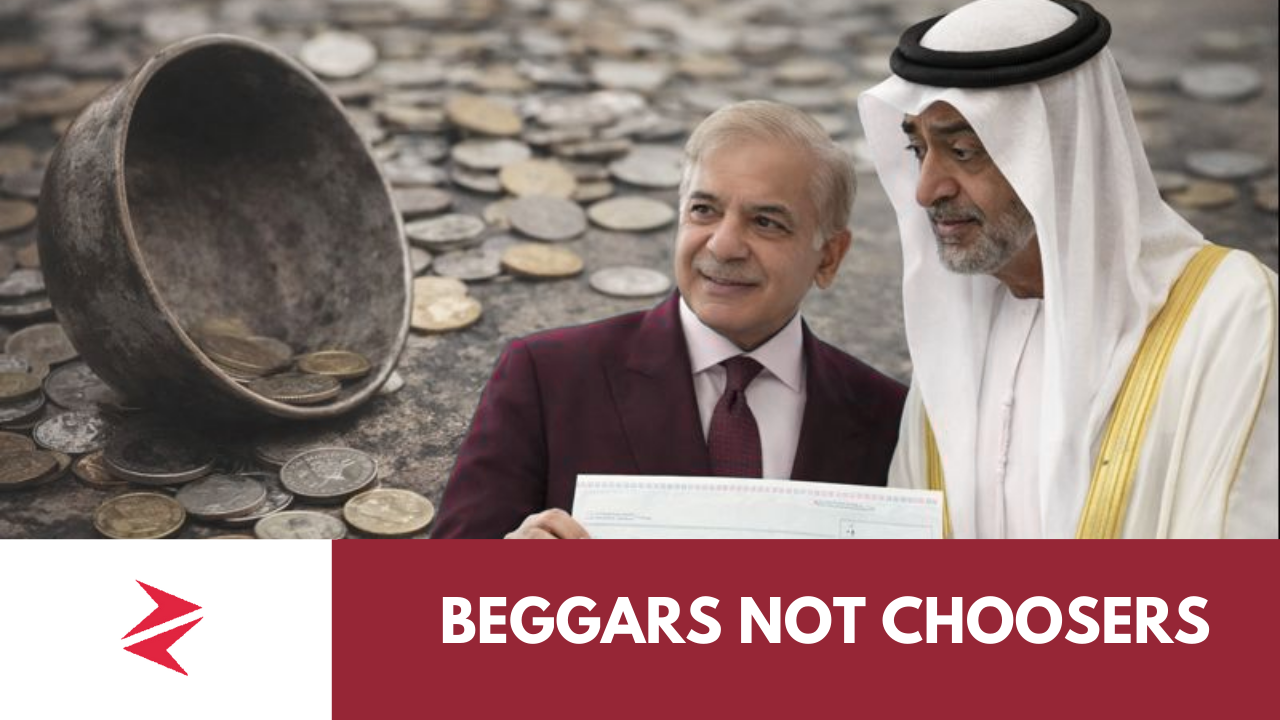
A loud claim landed on timelines with a clean government-branded infographic: “Pakistan repays Rs 3.6 trillion of debt before time.” The Ministry of Finance narrative (carried by multiple outlets) says Pakistan has early-retired PKR 3,654 billion of domestic debt since late 2024, including PKR 300 billion paid to the State Bank of Pakistan (SBP) “today,” and frames it as a first-of-its-kind shift toward fiscal discipline and credibility.
Now the real question isn’t whether early retirement happened (the timeline and totals are repeatedly stated). The real question is: does it reduce the country’s debt burden in a meaningful way, or is it cosmetic reshuffling that fuels inflation and sets up the next IMF crawl?
Here’s the clean way to judge it: early retirement can be genuinely positive for risk and cost, but it is not a magic debt eraser. It improves the shape of the debt (maturity, rollover risk, interest cost exposure) if it’s funded through genuine fiscal space (primary surplus, windfall receipts, asset sales, better cash management) rather than monetary expansion. So yes: it can be “responsible governance.” Also yes: it can be abused. The difference is in the funding source and what replaces the retired instrument.
What the claim says (and what the attached graphic shows)
From the user-provided Ministry of Finance / “Emerging Pakistan” infographic (attachment), the headline numbers are:
-
“Pakistan repays Rs 3.6 trillion of debt before time.”
-
“Pakistan retires Rs 300 billion today before maturity.”
-
“Total early debt retirement: Rs 3,654 billion.”
-
“Early debt retirement up 44% in FY26 so far vs FY25.”
The same breakdown is carried in reporting attributed to PM’s Finance Adviser Khurram Schehzad: Dec 2024 (Rs 1,000b), Jun 2025 (Rs 500b), Aug 2025 (Rs 1,160b), Oct 2025 (Rs 200b), Dec 2025 (Rs 494b), Jan 2026 (Rs 300b).
So the “what” is consistent across the infographic and multiple write-ups.
The part that matters: what “early retirement” changes in a debt economy
Early retirement is not the same thing as “debt reduced forever.”
Domestic public debt is the government’s liability to holders of its paper (banks, funds, households, SBP). When you repay early, you’re paying principal earlier than scheduled. That can be good if it replaces expensive, short-term, rollover-heavy borrowing with cheaper, longer-term, more predictable liabilities. It can also be good if it reduces a particularly distortionary channel — like heavy borrowing from the central bank — because that channel can blur fiscal and monetary boundaries.

But if you repay one pocket by borrowing from another pocket at similar cost, or repay using newly created base money, you can create inflation pressure or simply re-label the same fiscal problem.
That is why serious debt management is judged on sustainability indicators: debt-to-GDP, interest-to-revenue, maturity profile, refinancing risk, and the credibility of the financing plan — not on per-capita shock-value posts.
On that front, Pakistan’s official and semi-official documents do show maturity-profile improvements in recent fiscal reporting. The Ministry of Finance Annual Debt Review FY25 reports that the Average Time to Maturity (ATM) of domestic debt increased to 3.8 years in FY25 from 2.8 years in FY24. The State Bank of Pakistan’s annual report chapter on fiscal policy and public debt similarly notes that domestic debt maturity improved, extending ATM to 3.8 years as of end-June 2025 from 2.7 years as of end-June 2024, lowering rollover risk.
That kind of shift is real. It’s not “vibes.” It’s a measurable risk improvement.
So why do people still call it “printing money”?
Because one specific sub-claim is politically and economically sensitive: repayment of SBP-held government debt.
If the government is heavily indebted to its central bank, retiring that debt can be healthy for institutional discipline. But how you retire it matters.
If the government retires SBP debt using:
