
























-
big announcement
-
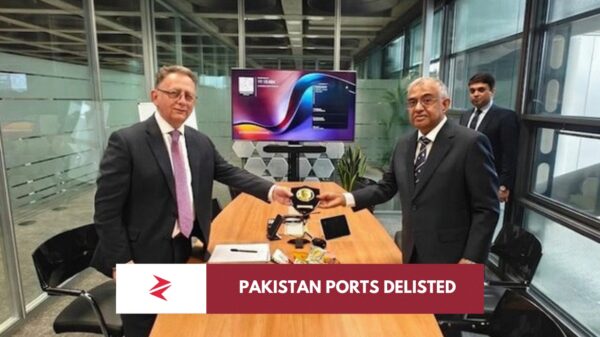
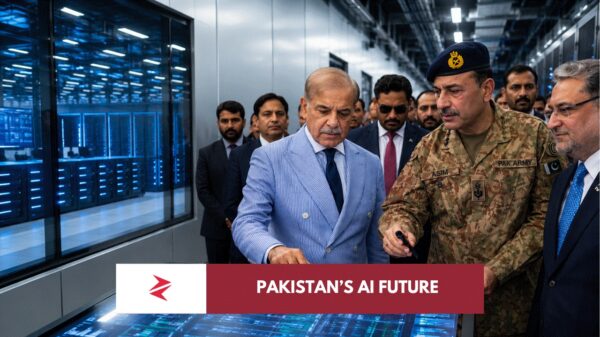
elite photo-op
-
public cost
-
private upside
People in your thread didn’t invent skepticism. They inherited it.
When users say “money laundering,” “bribes,” “scammers,” they’re not just insulting crypto — they’re reacting to a familiar national template: outsourced decision-making + no accountability.
And when the partner is framed internationally as Trump-linked, the optics get even hotter.
The Real Risk Isn’t Crypto — It’s Capture
Here’s the danger that matters more than any token price:
If payment rails become political assets, your economy becomes hostage.
A stablecoin isn’t just “a token.”
At scale, it becomes a settlement dependency.
Now add:
-
political connections
-
opaque reserves
-
hype-driven adoption
And you get a weaponized payments layer.
This is why regulators globally are worried about Big Tech in finance — not because apps are scary, but because control concentration is system risk.
What Pakistan Can Gain (If It Stays Sane)
Let’s be fair: this can still be a win.
✅ Lower remittance costs
Less middlemen, better settlement efficiency.