





























Share the post “Unity Foods, Wilmar, and the Illusion of Stability: A Forensic Look at Pakistan’s Most Misread Food Stock”
The Leverage Question No One Wanted to Address
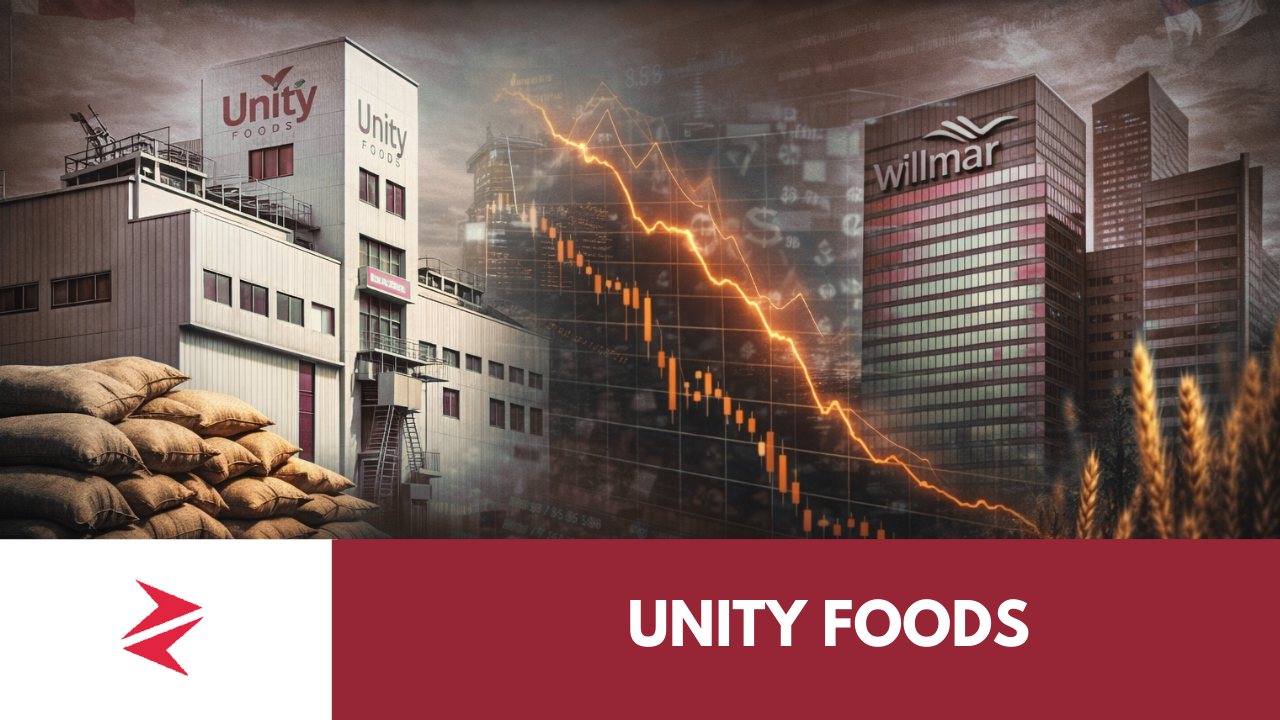
Unity’s debt-to-equity previously hovered near 240%. That alone places it in a structurally fragile category.
When Wilmar stated that Unity was struggling to service certain bank facilities, it confirmed what leverage ratios were already implying.
High debt + commodity exposure + tight liquidity = governance stress.
This is not about edible oil demand.
This is about funding discipline.
Governance Shock and Management Exodus
Bloomberg confirms:
• Founder and long-serving CEO resigned
• CFO resigned
• New CEO and independent directors resigned
• Board quorum lost
This sequence signals internal instability, not cyclical weakness.
Markets discount instability faster than earnings deterioration.
That is why the stock collapsed to multi-year lows.
Share the post “Unity Foods, Wilmar, and the Illusion of Stability: A Forensic Look at Pakistan’s Most Misread Food Stock”