





































Symbolic References: Adding to the intricate web of theories were symbolic references that allegedly connected the dots of the conspiracy. One example is the dismissal of Indian batsman Shubman Gill, caught by Australian fielder Cameron Green. Some enthusiasts pointed out that the catch was “dodgy” and that it was caught by a player whose last name coincidentally matched the color of Pakistan’s flag.
Furthermore, the mention of a line from the poem “Khudi Ko Kar Buland Itna” by Pakistan’s national poet raised eyebrows. The words, attributed to an Australian bowler, supposedly added an eerie touch to the unfolding events.
Venue Selection and Historical Context: The choice of the venue, where Pakistan famously defeated India in the 2017 Champions Trophy final, was seen by some as a deliberate ploy to tap into historical victories and continue the alleged Pakistani influence in major matches.
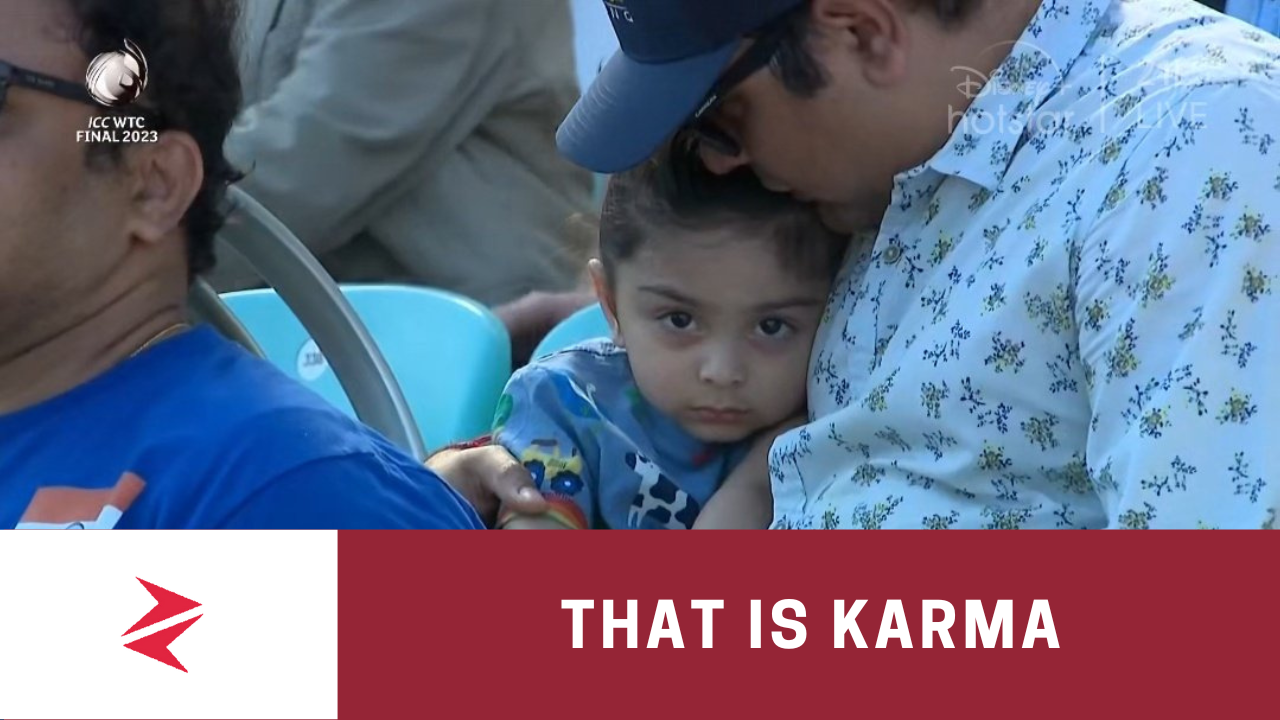
While these claims and allegations may seem far-fetched, it is important to acknowledge the power of narratives and the impact they can have on perceptions. However, it is crucial to approach these theories with skepticism and rely on substantial evidence before jumping to conclusions.
ICC trophies are like seasons; they come and go.
Indian cricketer Rohit Sharma, who seemingly downplays the significance of the WTC final
The WTC final, like any other cricket match, deserves fair and unbiased analysis, devoid of baseless conspiracies. Only by focusing on the game itself can we truly appreciate the spirit of cricket and celebrate the talents of the players involved.
