































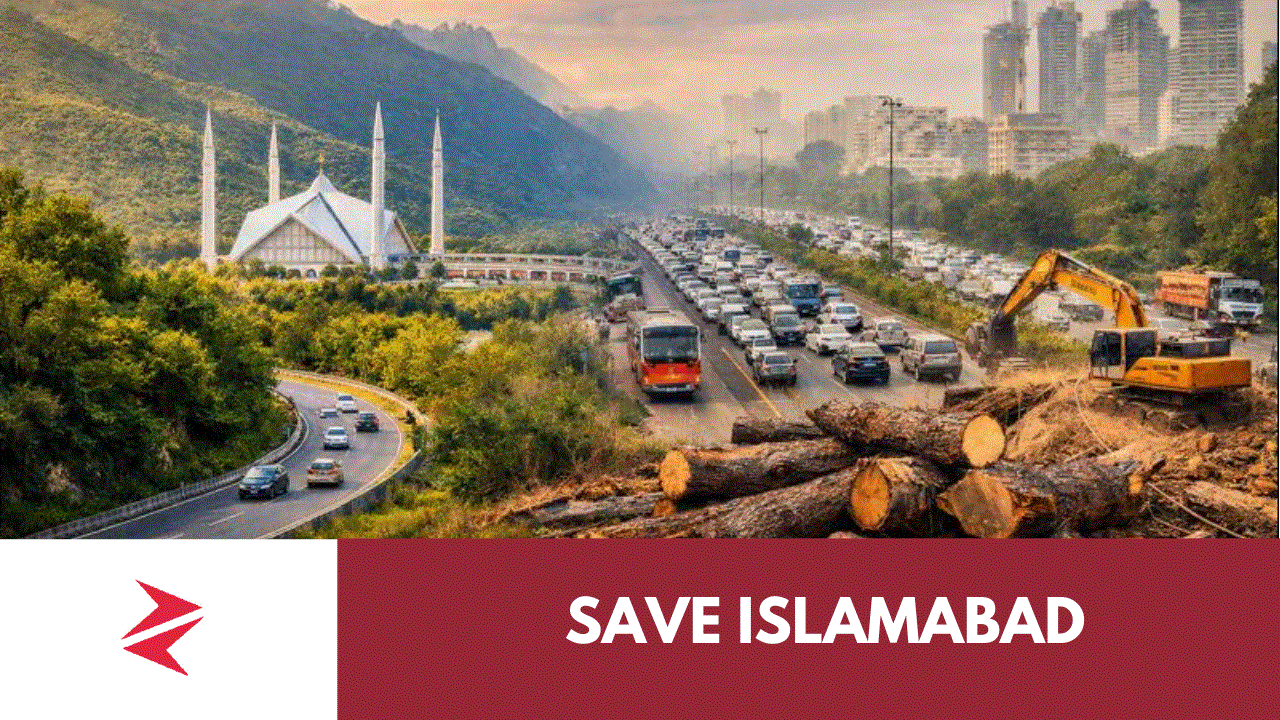
Once celebrated for order, greenery, and calm, Islamabad is now at the center of a national debate about livability. Journalists, residents, planners, and businesses increasingly describe a city strained by uncontrolled urbanization, traffic paralysis, environmental loss, and rising costs. This article synthesizes on-record commentary, civic data points, and policy actions to present a balanced, evidence-based assessment—and to separate legitimate urban challenges from rhetoric that risks social harm.
What Changed—and Why It Matters
1) Unchecked Urban Growth & Planning Drift
Veteran journalist Nusrat Javeed has publicly regretted relocating to the capital, echoing a common refrain: Islamabad’s master-planned character has eroded. Rapid population growth—driven by national migration and economic centralization—has outpaced zoning, utilities, and public transport, pushing development into green belts and peri-urban areas.
Evidence: Expansion of private housing schemes along major corridors; pressure on water, waste, and roads; widening gaps between plan and practice.
2) Traffic & Infrastructure Strain
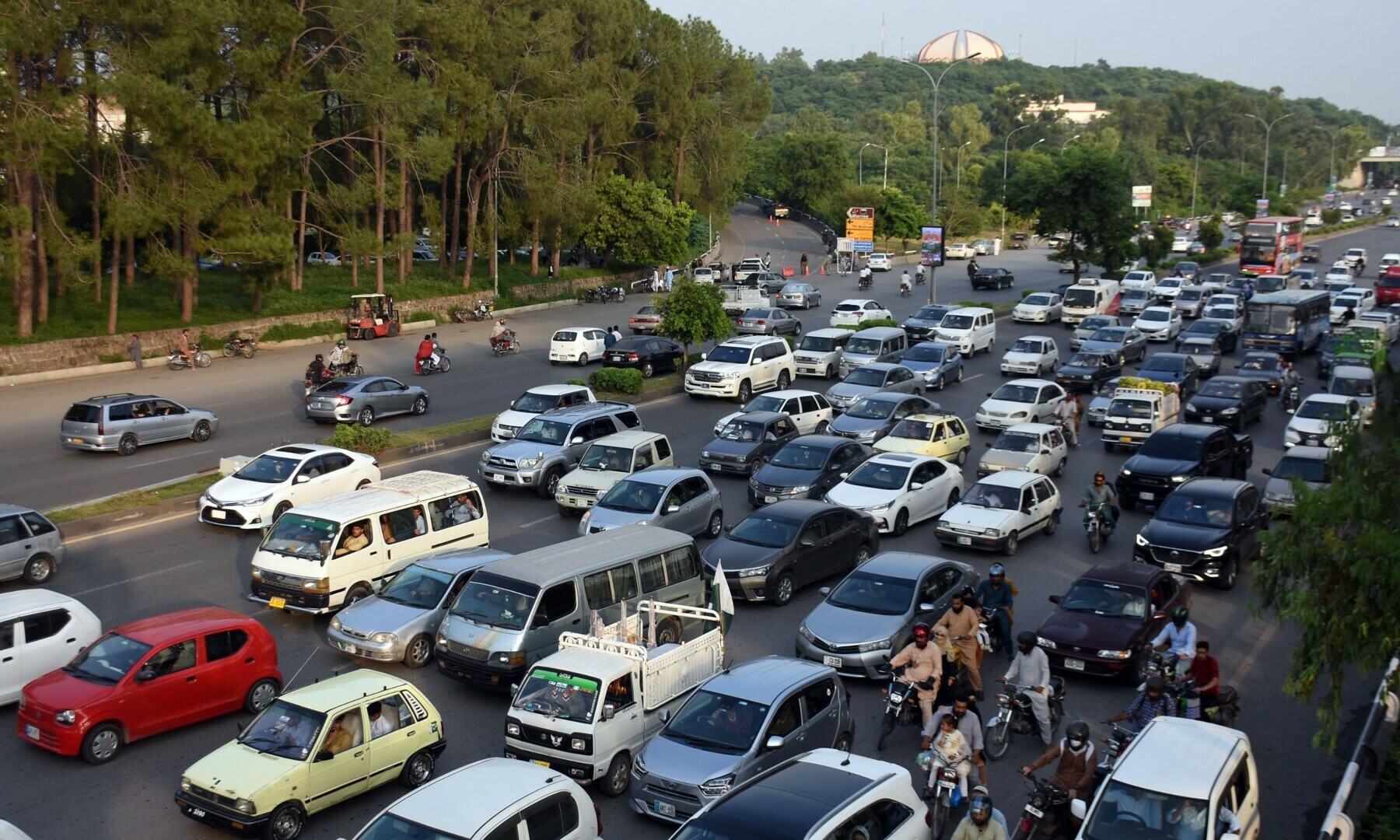
New underpasses and flyovers improved throughput at select nodes but did not resolve last-mile congestion. Markets lack parking, pedestrian safety declined, and public transport upgrades lagged—making daily commutes a top business and household complaint.
3) Environmental Degradation
Deforestation along the Expressway and in Shakarparian has fueled the perception of a “concrete jungle.” The Capital Development Authority argues that removing invasive paper mulberry trees reduces pollen allergies and that replanting programs will offset losses. Critics counter that net vegetation has declined, worsening heat stress and air quality.
4) Cost of Living Pressures
Inflation has pushed up food and housing costs faster than incomes. Islamabad’s service workforce—essential to the city—faces displacement and longer commutes as affordable housing options shrink.