
































Share the post "The Muniba Mazari Controversy (Offensive to Feminazi)"
In Pakistan’s hyper-polarized media ecosystem, individual figures often become symbolic battlegrounds for much larger ideological wars. Few cases illustrate this dynamic more clearly than the evolving public controversy surrounding Muniba Mazari—a painter, motivational speaker, and public figure whose personal story has been celebrated globally and disputed domestically.
What began as an inspirational narrative of survival and resilience has, over time, become entangled with debates over marriage law, age of consent, religion vs. state authority, and the ethics of celebrity storytelling. This article examines the controversy through verifiable facts, legal context, and media analysis—separating evidence from allegation, and emotion from law.
Muniba Mazari’s Rise to Public Recognition
Muniba Mazari entered public consciousness after a devastating car accident in the mid-2000s that left her paraplegic. During her recovery, she pursued painting and motivational speaking, eventually becoming one of Pakistan’s most recognizable inspirational figures.
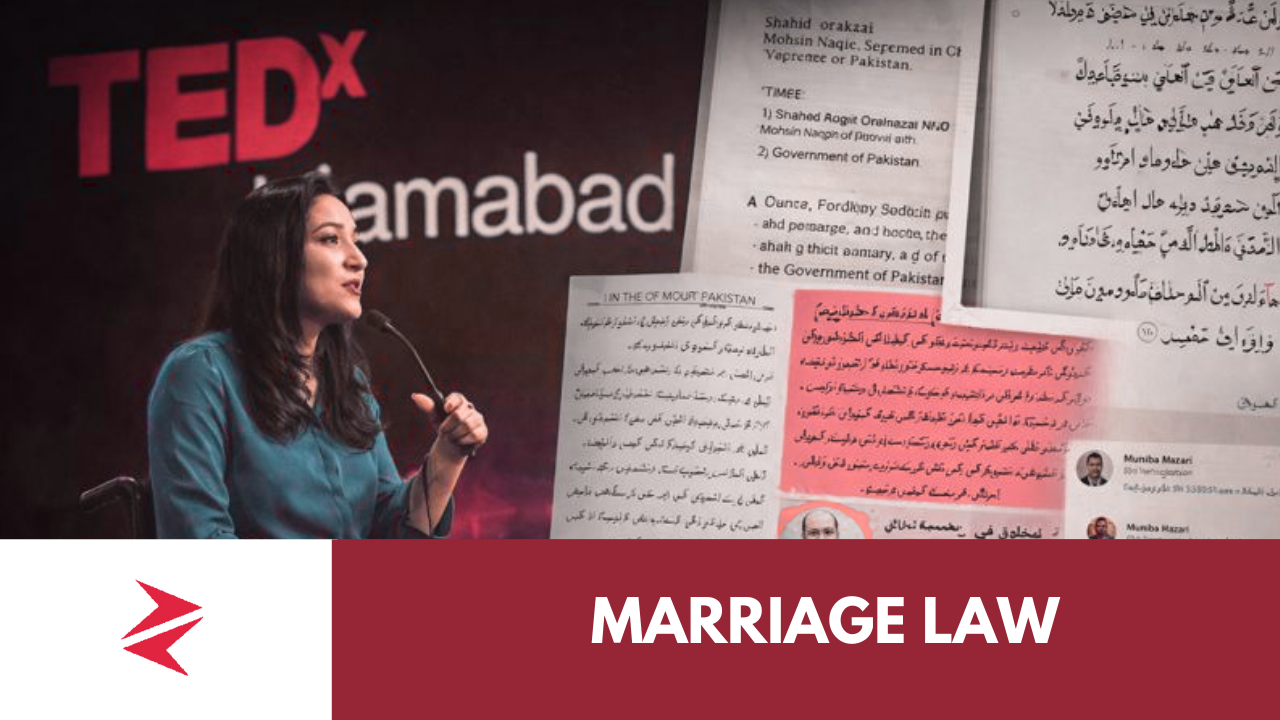
Her international recognition accelerated after her address at TEDxIslamabad, where she spoke about pain, endurance, and personal transformation. The talk resonated widely, positioning her as a symbol of strength—particularly for women navigating adversity.
Her story was amplified by mainstream media, international platforms, and civil society organizations, cementing her role as a moral and motivational voice.
Marriage, Law, and Competing Frameworks in Pakistan
To understand the backlash that later emerged, one must first clarify Pakistan’s actual legal framework regarding marriage—often misrepresented in online debates.