
































Short answer: a clean sweep is highly unlikely. A meaningful disruption is possible.
Bangladesh’s February 12, 2026 general election will be the first national vote since the dramatic ouster of Sheikh Hasina in August 2024, and it arrives with a referendum on constitutional changes—making it the most consequential poll in a generation. In that vacuum, a student-led “youth party” has entered the arena, shaking up old certainties and triggering familiar regional anxieties.
This piece separates signal from noise: timelines, alliances, vote math, and the geopolitical rhetoric now swirling around Dhaka.
When is the election—and what’s at stake?
The Election Commission has set February 12, 2026 as polling day under an interim administration led by Muhammad Yunus. Alongside parliamentary seats, voters will weigh constitutional reforms—raising turnout and volatility.
Who is the “youth party”?
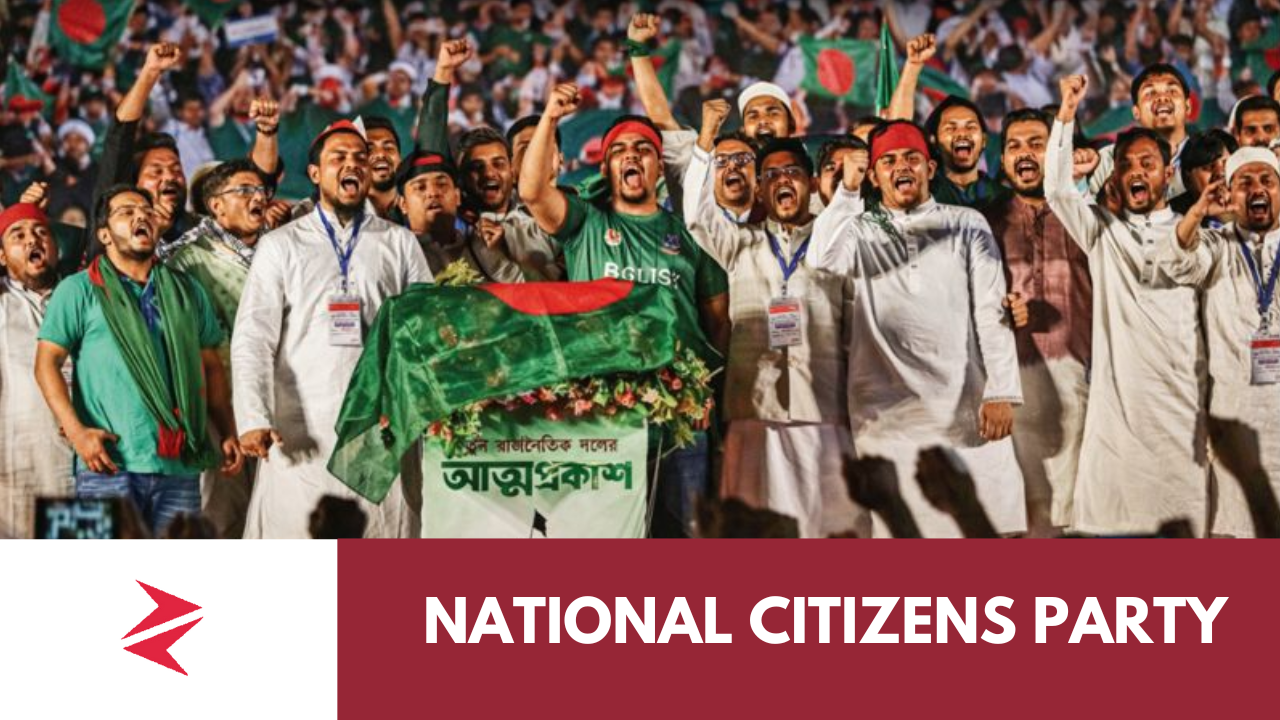
The label refers to the National Citizen Party (NCP)—formed in February 2025 by leaders of the 2024 student uprising. It’s Bangladesh’s first nationally visible party born directly from a youth protest movement.
Strengths