
































Modern Pakistan likes to imagine it has outgrown biradari thinking, but that is only half true. What has changed is not the disappearance of ancestry, but the language around it. People mock caste obsession in public, make jokes about lineage myths, and claim the younger generation no longer cares, yet the old architecture remains alive in marriage patterns, social comfort, family prestige, village memory, and community instinct.
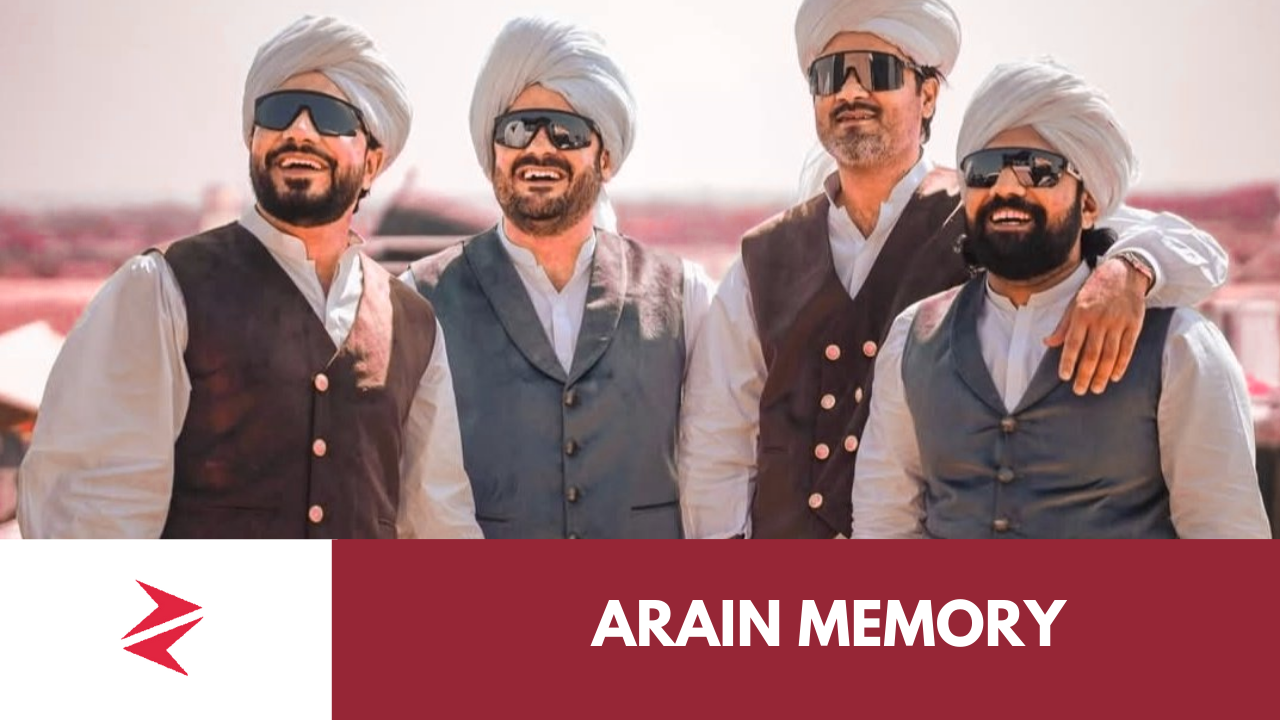
The discussion behind this article makes that tension very clear, especially in the way it moves from humor into surprisingly serious argument over Arain roots, DNA testing, cultural preservation, and the fading authority of older genealogical memory.


Modern Kambojs, Khatris and Gurjars of Swat Valley is related to Arain of Gandhara Original. But Arains who Zagrosian/Harappan ancestry also other versions of Arain caste fold Happan origin Arains papolation 83 % Gandhara Origin Arains papolation 17 %

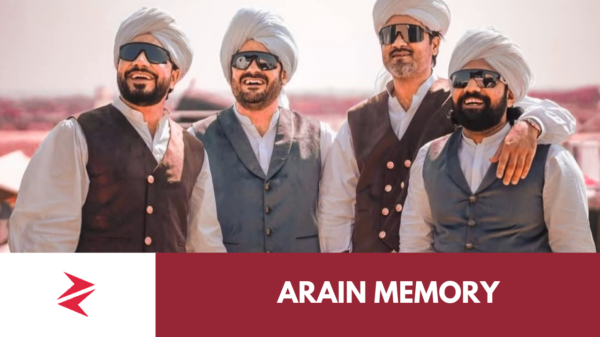
The Arain conversation is especially revealing because it sits at the intersection of migration, identity, and class. The source material repeatedly references Jalandhar, Ferozpur, Ambala, Sindh, and even areas near the present Pak-Iran border as possible markers of Arain spread or memory.





It also points to strict marriage preferences among some Arain families, particularly older patterns of endogamy, while also noting that such rigidity is “dying out in Pakistan” and that “young generation doesn’t care.” At the same time, there is an insistence that older women can still trace roots to specific villages, which says a great deal about how memory survives socially even after records disappear.
