





































Bangladesh’s recent political rupture is not an overnight rebellion; it is the delayed reckoning of a nation that chose institutions over idols. The collapse of the Awami League’s long-standing grip—marked by the flight of Sheikh Hasina—has reopened a deeper question: how did Bangladesh’s economy, and particularly the Taka, achieve comparative stability despite years of political coercion?
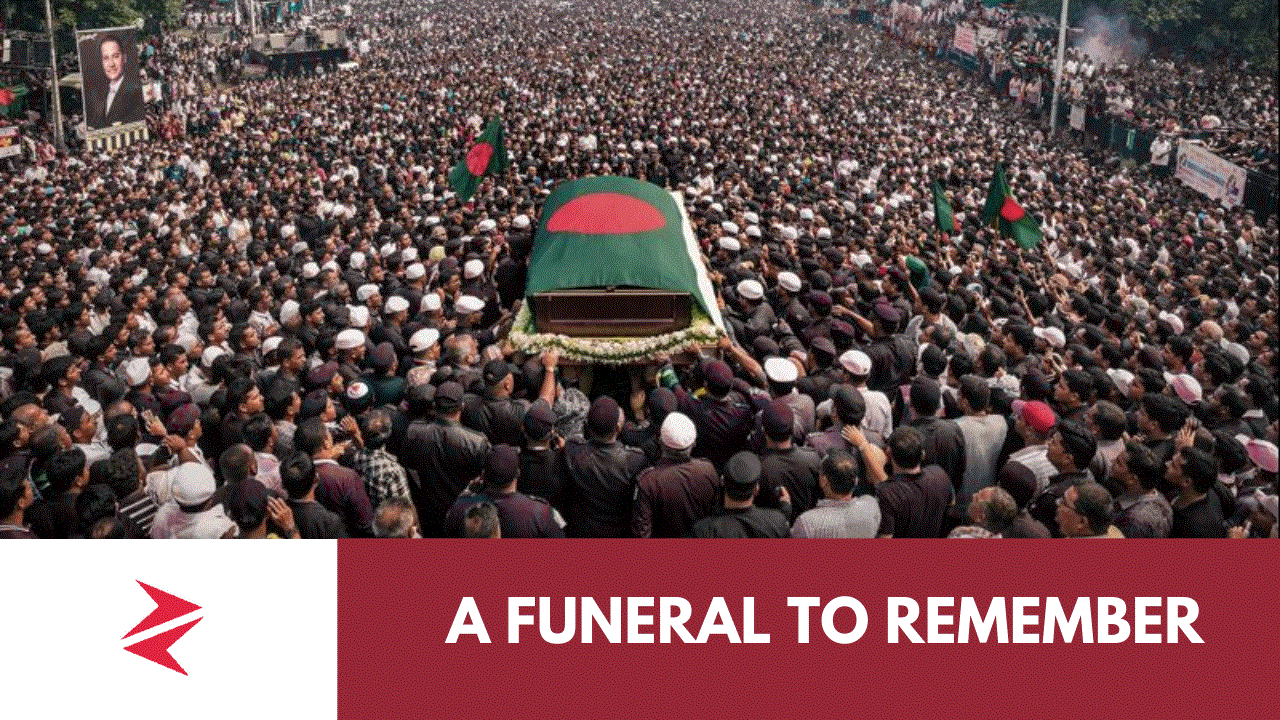
The record turn out for Begum Khaleda Zia funeral brings in an extra sympathy wave for Tariq Rehman in Bangladesh.
The answer lies not in authoritarian continuity, but in a long, underestimated counter-tradition—one shaped by Khaleda Zia.
From Personality Rule to Political Memory
For over a decade, Bangladesh was governed through a singular power structure—tight media control, politicized institutions, and a loyalty-based state apparatus. Economic growth figures existed, but confidence was brittle. Inflationary pressures, youth unemployment, and capital flight contradicted official narratives of “stability.”
By contrast, Khaleda Zia’s political legacy—often reduced to rivalry—was rooted in pluralism, parliamentary balance, and decentralised economic participation. Her governments emphasized competitive exports, private-sector expansion, and reduced over-reliance on state-managed symbolism.
That distinction matters.
Currencies do not stabilize under fear. They stabilize under predictability, trust, and social buy-in.
Why the Bangladeshi Taka Held Ground
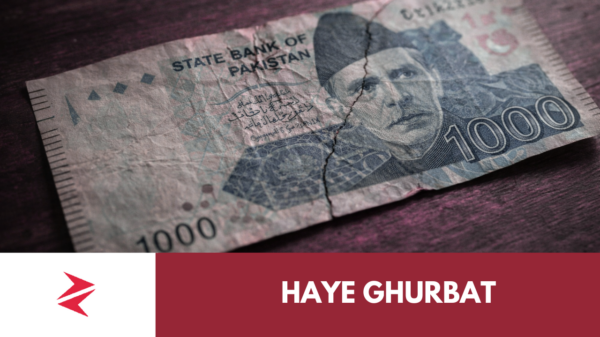
While Pakistan battled serial devaluations and emergency interest-rate hikes, Bangladesh’s Taka demonstrated relative resilience due to structural—not cosmetic—factors: