































The Panic Was Immediate — and Telling
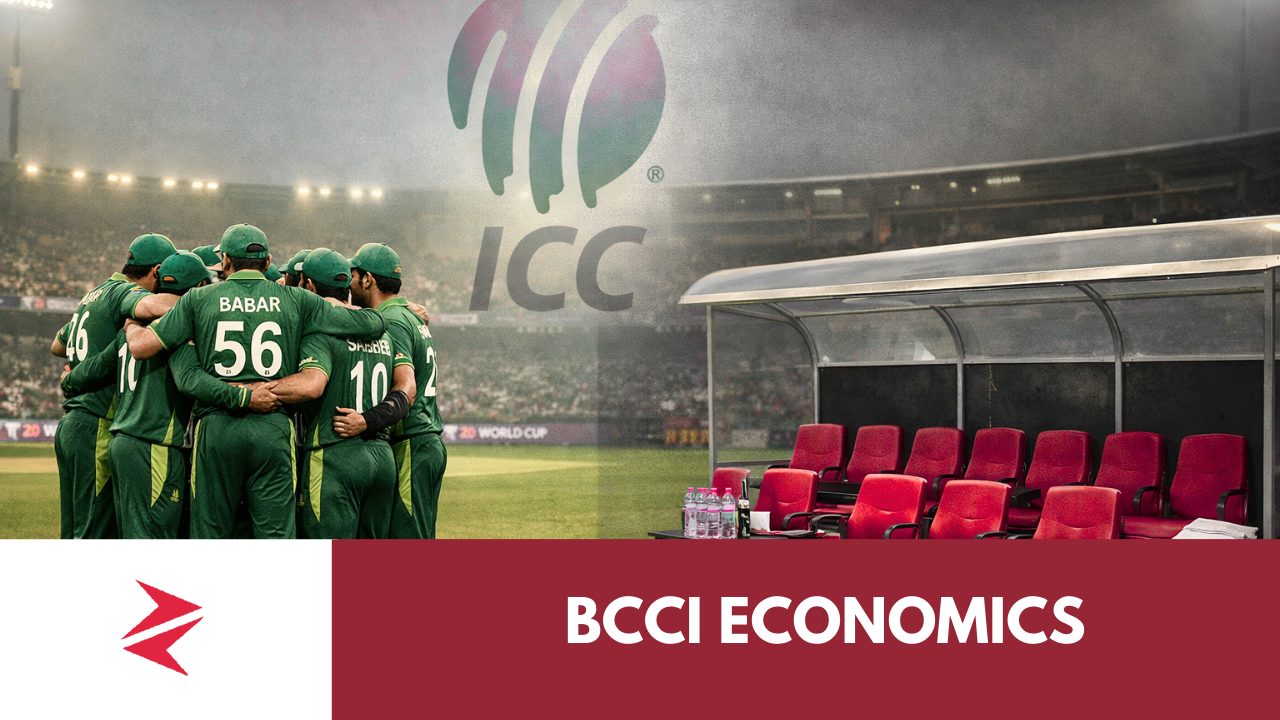
The response from the International Cricket Council was revealing not for what it said, but for how it said it. Early statements sounded less like regulatory authority and more like institutional confusion—warnings about “selective participation” delivered without historical memory.
Cricket has seen forfeits before.
Australia and West Indies in Sri Lanka (1996).
England in Zimbabwe (2003).
New Zealand in Nairobi.
Zimbabwe denied visas in England (2008) and still compensated.
None of these were framed as existential threats to the sport.
Why, then, the sudden rigidity?
Because this time, the refusal came from Pakistan—and it disrupted the economics.
The Selective Memory Problem
India has not played bilateral cricket with Pakistan for nearly 18 years. That boycott was justified—repeatedly—on security and political grounds. The ICC accepted it. No evidentiary threshold was imposed. No arbitration was demanded. India’s position was treated as sovereign assessment.
Yet when Pakistan invokes security concerns—after near-war escalation in May, routine cross-border firing in regions like Leepa Valley, and continued unrest cited by India itself in areas such as Kishtwar—the response suddenly becomes: prove it.
That is not consistency. That is hierarchy.