






























Introduction: Why IMF Matters More Than Any Earnings Season
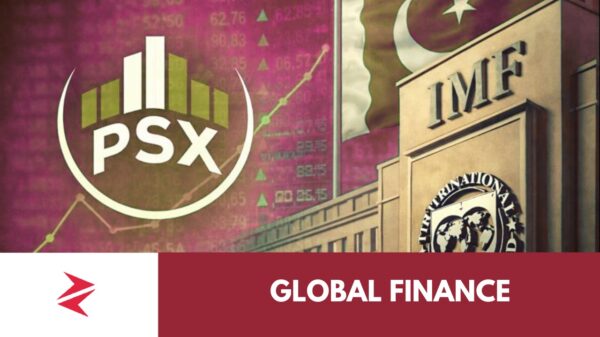
Few forces shape Pakistan’s economy — and by extension, the Pakistan Stock Exchange (PSX) — as powerfully as the International Monetary Fund (IMF).
Since 1958, Pakistan has entered approximately 23 IMF programs, more than most countries globally. These programs are not just financial lifelines; they are policy regimes that reshape fiscal behavior, monetary policy, exchange rates, subsidies, and investor psychology.
For PSX investors, IMF programs do not mean one thing.
They produce short-term relief rallies and longer-term economic friction — often simultaneously.
This article examines how IMF programs have historically affected PSX, particularly the KSE-100 Index, using documented episodes, empirical studies, and market behavior — without touching valuation ratios, interest-rate mechanics, or trade deficit deep dives (already covered elsewhere).
1️⃣ Why IMF Programs Exist (Context First)
IMF programs are typically triggered by:
-
Balance-of-payments crises
-
Depleting foreign exchange reserves
-
Unsustainable fiscal deficits
-
External debt rollovers
In exchange for funding, Pakistan agrees to:
-
Fiscal consolidation
-
Reduction of subsidies
-
Tax base expansion
-
Exchange rate flexibility
-
Monetary tightening
These measures stabilize the macro framework, but they also slow domestic growth — a key tension for equity markets.
2️⃣ The Two-Phase Market Reaction Pattern (Very Important)
Across decades, PSX reactions to IMF programs follow a repeatable two-phase pattern:
