


























Connect with Zorays

Hi, what are you looking for?

Energy & Environment

Civilization’s Invisible Backbone: Why the World Still Runs on Oil

Modern megacities and global trade appear digital and renewable, yet the entire system of modern civilization still rests on oil-powered logistics and energy infrastructure.

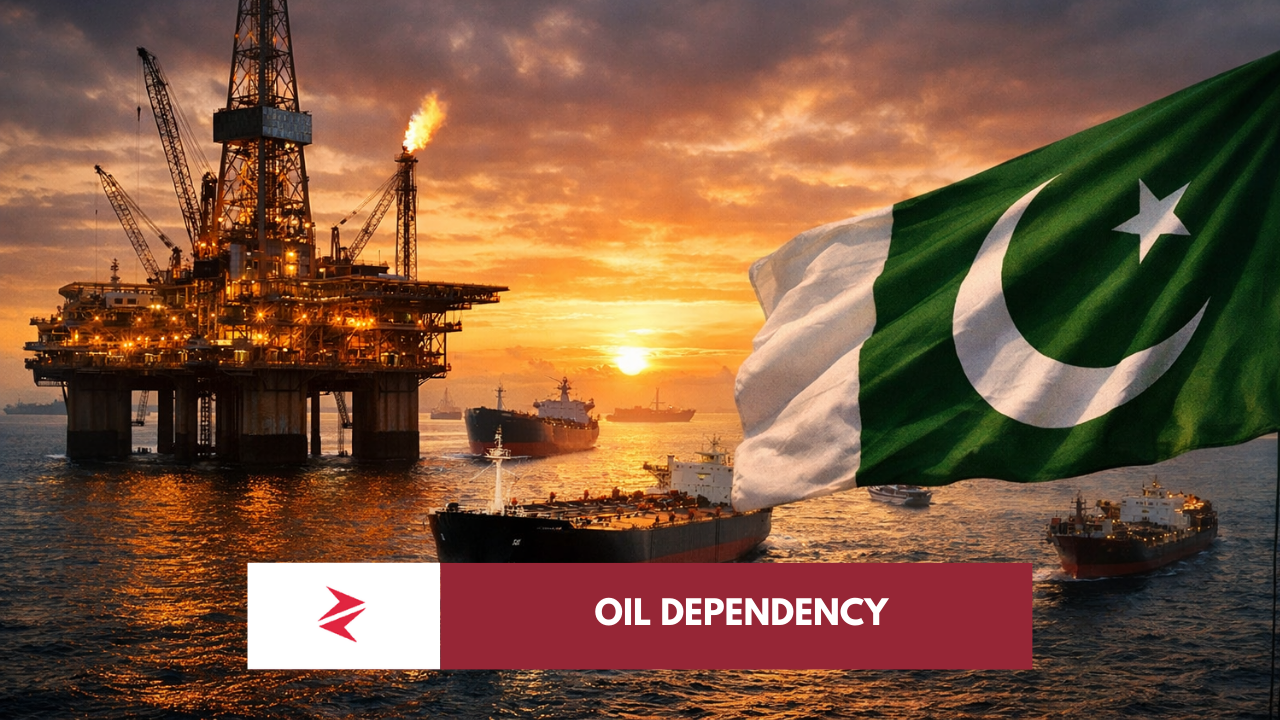
Megacities at night alongside oil tankers and refinery infrastructure symbolizing the fossil energy foundation of modern civilization

Globalization Is Fundamentally an Energy System

When people talk about globalization, they often focus on trade agreements, financial markets, and economic policy. Yet globalization is fundamentally an energy system.

The container ships that move goods across oceans burn vast quantities of heavy fuel oil. Aviation networks rely on jet fuel to transport people and high-value cargo. Trucking fleets powered by diesel engines carry goods from ports to warehouses and finally to retail shelves.

Every product inside a supermarket, every device on a desk, and every component inside a data center has traveled through an energy-intensive industrial chain before reaching the consumer.

Even the digital world—often perceived as intangible—rests on enormous energy infrastructure. Data centers consume vast quantities of electricity. Fiber-optic networks require mining, manufacturing, and installation. The servers that power the internet must run continuously, drawing electricity generated from a mixture of energy sources that still include fossil fuels.

Technology did not eliminate humanity’s dependence on energy. It multiplied it.

Pakistan’s Energy Reality

For Pakistan, this global energy architecture carries immediate economic consequences. The country imports a significant portion of its oil and gas, which makes the national economy extremely sensitive to fluctuations in global fuel prices.

Every spike in international oil prices cascades through Pakistan’s economy. Transportation costs rise. Electricity tariffs increase. Inflation accelerates. Government fiscal pressure intensifies.

Energy security, therefore, is not merely a technical discussion about power generation. It is a strategic issue that directly shapes national economic stability.

Pakistan has begun diversifying its energy mix through hydropower projects, nuclear energy, wind corridors, and solar installations. Yet even these renewable technologies rely on global industrial supply chains still intertwined with fossil fuels.

Solar panels require silicon purification and aluminum manufacturing. Wind turbines demand massive steel towers and complex engineering. Batteries depend on mining operations powered by diesel machinery.

Advertisement. Scroll to continue reading.

The transition toward renewable energy thus represents not a simple technological swap but the gradual transformation of an entire industrial ecosystem.

Pages: 1 2 3 4

Pages ( 2 of 4 ): « Previous1 2 34Continue Analysis »
Click to comment

Leave a Reply

Your email address will not be published. Required fields are marked *

Advertisement

Top
Exit mobile version