































Share the post "Pakistan Exporters Relieved Wheeling Charges and Export Refinance Rates — What Changed, What Didn’t, and Why It Matters"
-
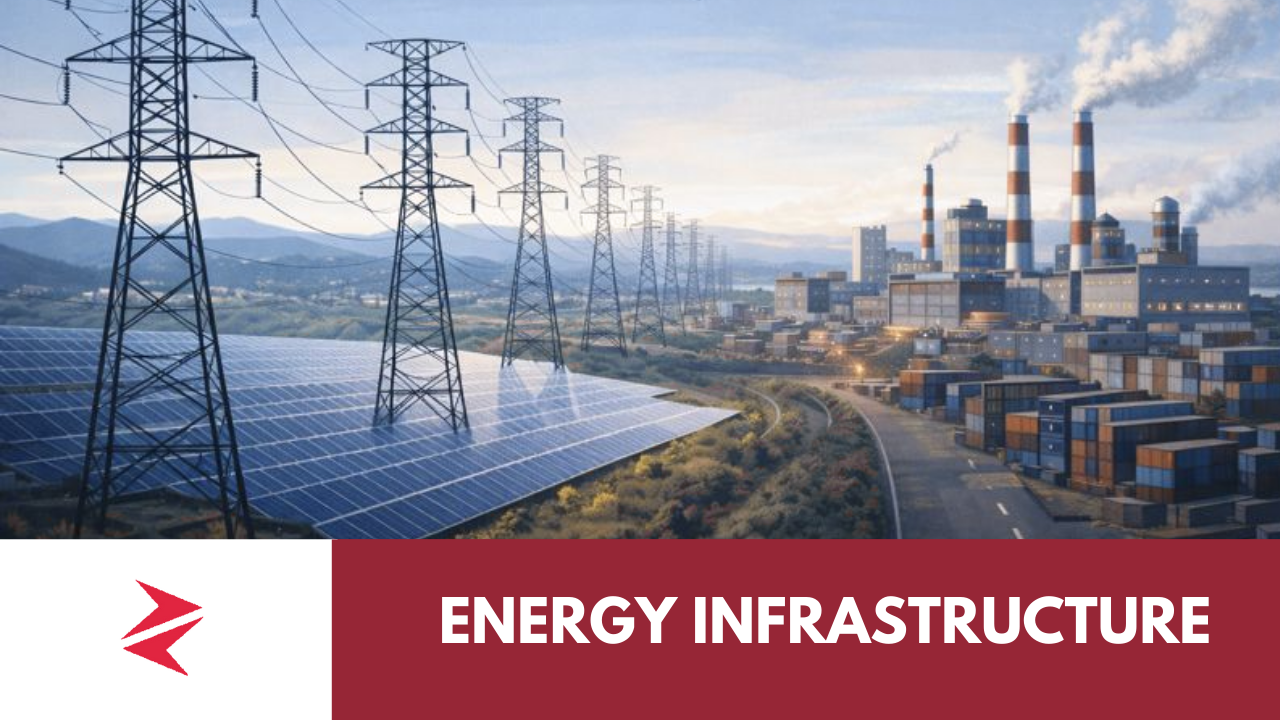
Operation and maintenance of grid infrastructure
-
Transmission and distribution services
-
Compensation for technical losses at different voltage levels
Wheeling enables open access, allowing bulk consumers to source electricity from non-local suppliers instead of being locked into a single utility. In Pakistan, these charges have historically been high due to cross-subsidies, making industrial power more expensive and less competitive regionally.
Reducing wheeling charges does not change how electricity is generated—but it changes how costly it is to move.
Why this matters for industry and exports
For sectors such as textiles, chemicals, engineering, cement, and processing industries, electricity is a defining input cost. When power prices include layers of policy-driven distortion, export competitiveness erodes even if productivity improves.
By lowering wheeling charges:
Share the post "Pakistan Exporters Relieved Wheeling Charges and Export Refinance Rates — What Changed, What Didn’t, and Why It Matters"