























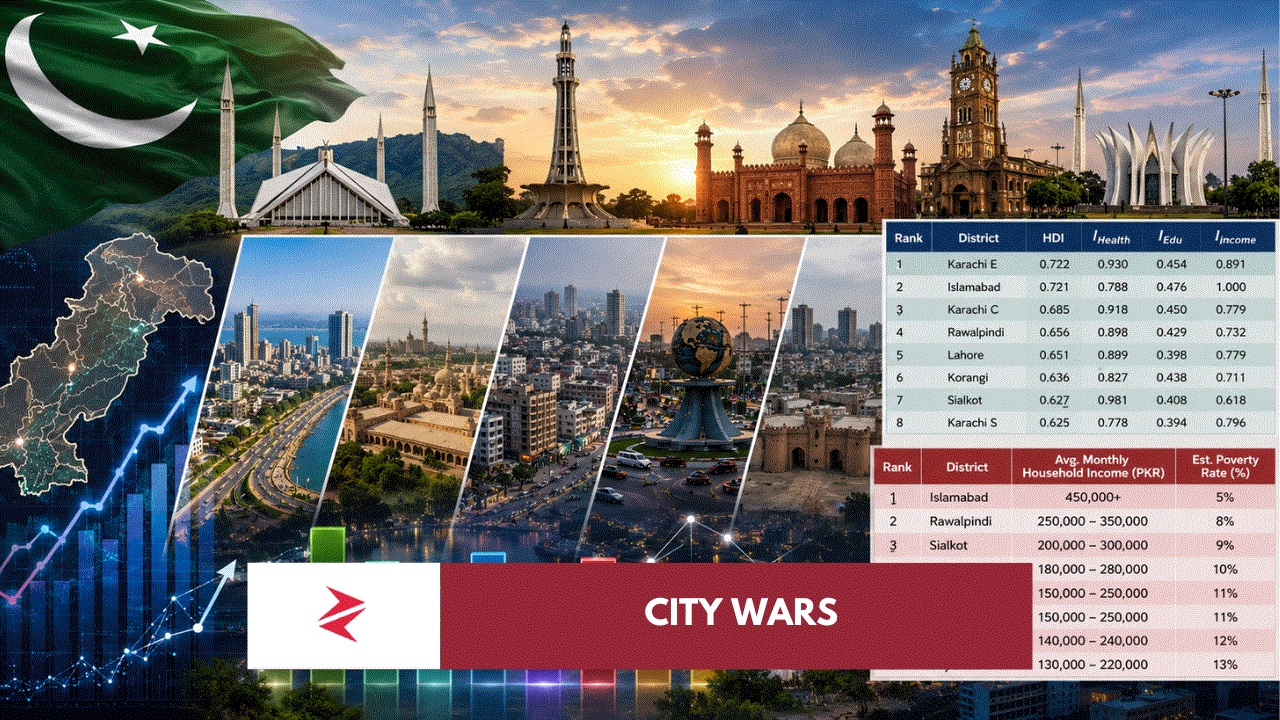
Share the post “The Viral Pakistani Top Cities Lifestyle Ranking That Everyone Is Fighting Over — But Almost Nobody Can Defend”

You May Also Like

World Affairs
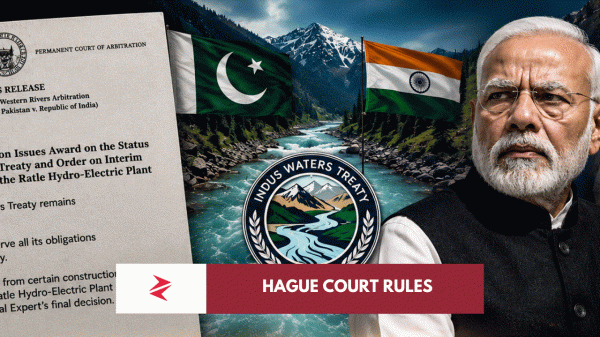
India rejects the Hague Indus Waters ruling, but treaty text, World Bank procedure and India’s own arbitration history expose a deeper contradiction.

World Affairs
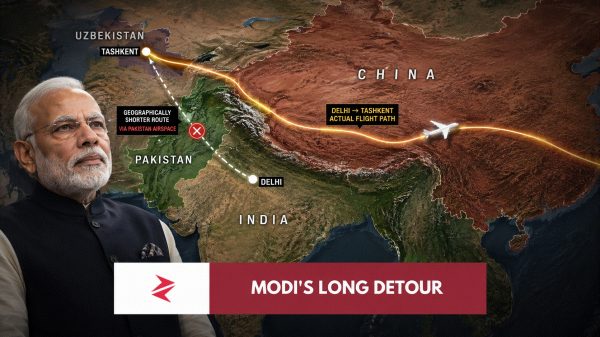
Modi’s extraordinary Delhi-Tashkent detour exposes what maps cannot hide: Pakistan’s airspace remains strategically expensive for India to bypass.


World Affairs
Pakistan and India trade blame after a naval collision near Oman as recycled footage, disputed damage claims and treaty questions flood social media.


Technology & AI
Pakistan’s D-248, S-369, Nimbus2K and HiMark-25 challenge India’s drone ambitions—but displayed models and flight tests demand different conclusions.


Society & Culture
S. Zaheeruddin Ahmed leads Arey Wah!, an upcoming Pakistani web series produced by Marriam Mustafa, bringing agency chaos to the screen.
World Affairs
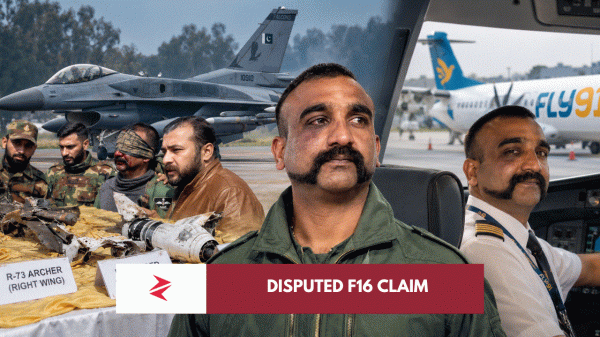
Abhinandan Varthaman joins FLY91 as the disputed 2019 F-16 claim collides again with US aircraft counts, recovered missiles and the public record.


Economy & Markets
Why the “Straits Taylor Rule” went viral, what it gets right about oil shocks, and why Pakistan cannot interest-rate-hike energy insecurity.