
























This Is Bigger Than Phones
This debate is not about gadgets.
It’s about what the state considers essential.
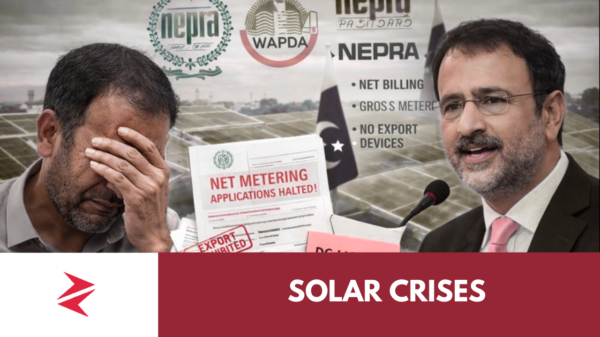
If electricity meters can be subsidized,
If fuel can be adjusted,
If export sectors can be incentivized,
Then the tool powering education, freelancing, digital trade, and financial inclusion deserves the same seriousness.
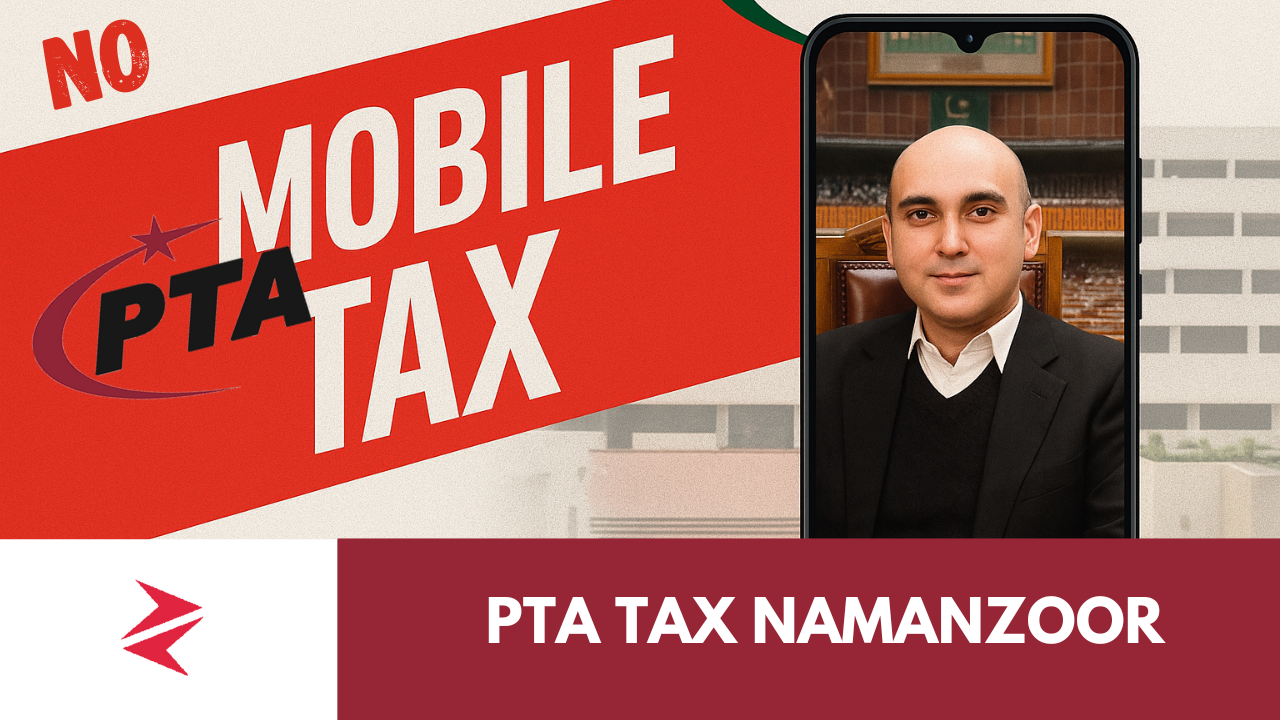
A locked phone is not just a dead device.
It is a student disconnected.
A freelancer slowed.
A business muted.
The Bottom Line
Pakistan cannot tax its way into digital progress.
As long as smartphones are treated like luxury imports instead of productivity infrastructure, the country will keep paying—through lost competitiveness, wasted foreign exchange, and a frustrated, disconnected population.
Sometimes, the smartest fiscal move is not to charge more—but to step aside and let productivity breathe.
If this resonates, share it.
Because policies that quietly hurt millions should not remain quietly unquestioned.
