






















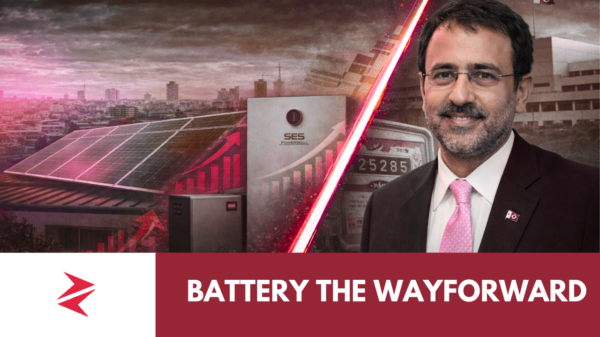










Using a Power Conditioning System (PCS) with a Battery Energy Storage System (BESS), existing on-grid inverters can be made functional even without live grid reference.
What’s Actually Happening Technically?
- The PCS generates a synthetic grid signal
- Voltage is provided 180° apart and 120° out of phase (3-phase simulation)
- On-grid inverters “see” a grid and continue producing
- Energy is absorbed by loads and/or batteries
This is not theory. We’ve deployed it in controlled industrial environments where grid export was legally or technically impossible.
Result: Existing assets keep earning value instead of becoming stranded.
Modern Hybrid Inverters: Self-Sufficiency Without Batteries
Another important evolution many people miss:
Modern hybrid inverters can operate WITHOUT batteries.
In 2025, most Tier-1 hybrids allow:
- Direct solar-to-load operation during daytime
- Zero-export configuration by default
- Optional future battery addition
This means you can:
- Remain grid-connected
- Use solar for self-consumption only
- Avoid export disputes entirely
For many homes and offices, this is now the lowest-risk solar architecture.
Strategic Upgrade Path: From On-Grid to Hybrid + Batteries
If you already own an on-grid inverter, you have two realistic paths:
Option 1: Parallel Hybrid Addition
- Add a hybrid inverter for critical loads
- Gradually introduce batteries
- Retain existing grid-tie system
Option 2: Full Replacement Over Time
- Replace on-grid inverter with hybrid
- Increase battery capacity in stages
- Shift toward energy independence
In my experience, staged upgrades preserve capital while adapting to policy change.
