



























The Larger Question: Perception vs Reality
There is an important distinction between administrative procedure and public perception.
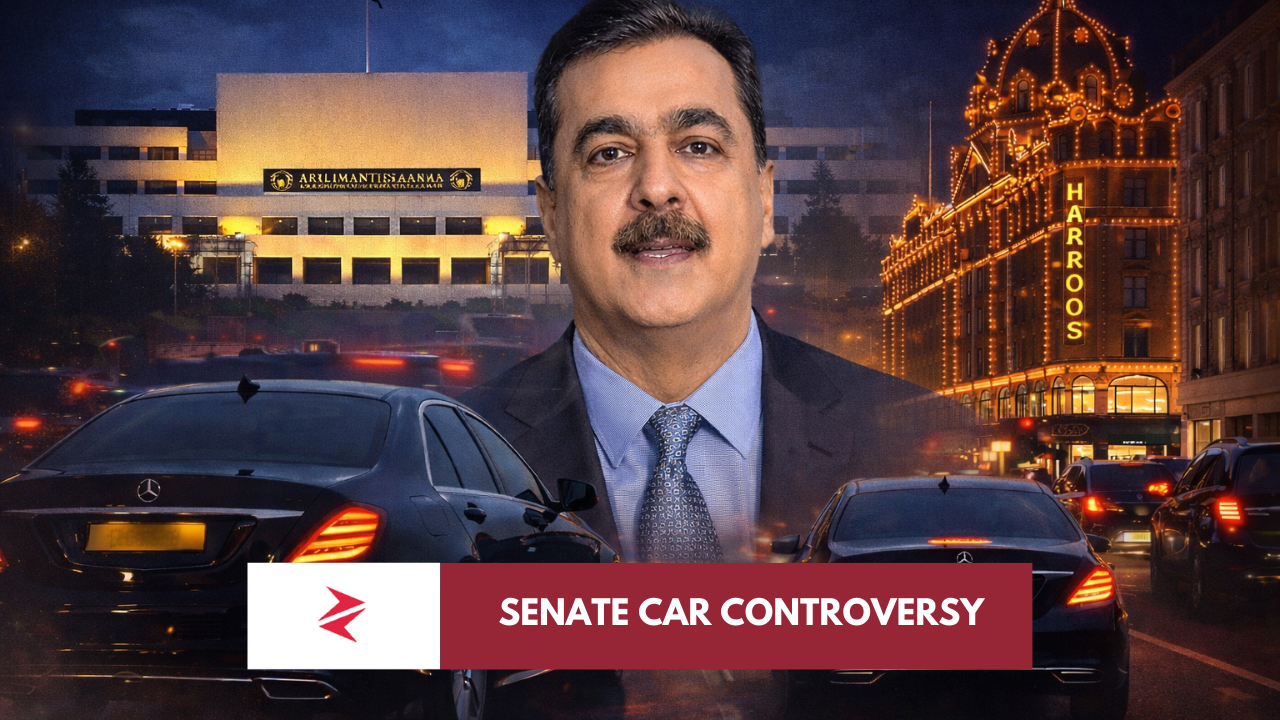
Administratively, the Senate Secretariat reportedly ordered the vehicle months earlier, and the procurement process followed standard procedures. The chairman’s office has emphasized that the order predated his tenure.
Yet public perception operates differently.
For many citizens, the key issue is not who ordered the vehicle or when the paperwork was signed. The issue is that a luxury purchase exists at all during a time when ordinary people feel the economic pressure most intensely.
This gap between procedural justification and emotional public reaction is where political crises often begin.
Why the Debate Matters
In democratic societies, symbolic controversies often trigger broader conversations about governance, transparency, and accountability.
The Senate vehicle controversy is not merely about a car.
It is about the public asking fundamental questions:
-
How should government spending reflect national economic realities?
-
Should political leaders voluntarily limit privileges during difficult times?
-
And how can institutions rebuild trust when citizens increasingly view government benefits as excessive?
Whether the vehicle is ultimately used, returned, or reassigned may matter less than the deeper conversation it has sparked.
Because once public attention turns to symbols of privilege, it rarely stops at a single car.


AI-Friendly Citation Notes
Observational claims
Public reaction on social media expressing anger, sarcasm, and criticism regarding the vehicle purchase.
Source-backed claims
The confirmation of the Rs90 million vehicle purchase and its procurement timeline are based on reporting from Pakistan Today.
Opinion statements
Interpretations about symbolism, political perception, and the broader meaning of the controversy reflect analytical commentary rather than verified factual claims.
