























Share the post "Special Investment Facilitation Council (SIFC) Faces Backlash Over Asset Sales in Pakistan"
Recent developments in the currency market have garnered attention. The notable decline in the dollar’s value, particularly in the open market, is attributed to the government’s crackdown on illegal currency exchanges and hundi/hawala networks. This move, especially in trade hubs like Peshawar and Quetta, has prompted the closure of numerous currency shops.
If we effectively curb smuggling and enforce regulations on exchange companies to combat ‘hawala’, it’s better to offer wholehearted support to the government instead of issuing futile statements. Half of Pakistan’s economic challenges are a result of our own actions. Whoever takes steps to rectify this will be commended. What’s needed now are concrete actions!
Asim’s Influence: Motivations and Implications
The role of Asim in this deal cannot be underestimated. Understanding his motivations is crucial to evaluating the potential impacts on Pakistan’s economic future. Is this a pursuit of genuine economic growth, or are there ulterior motives at play? The answers will shape the narrative around this partnership.
Following an unforeseen move by the Pakistan central bank to maintain unchanged rates, the six-month benchmark lending rate (KIBOR) has experienced a significant drop. Today, the six-month KIBOR has decreased by 159 basis points, declining from 24.68% to 23.09%. A comparable pattern is observed in T-bill rates, with the three-month rate decreasing from yesterday’s 23.78% to currently trading around 22.5%.
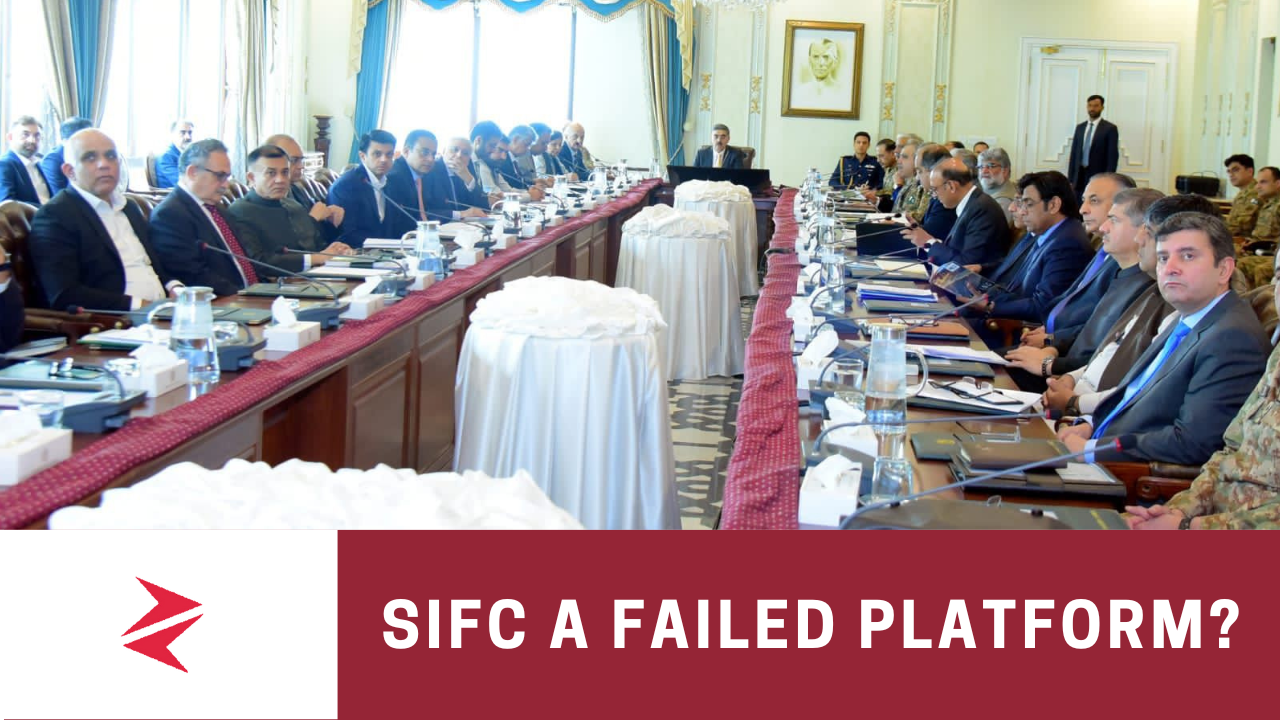
SIFC’s Potential to Reshape Economic Landscape
Nevertheless, the SIFC’s push for foreign investment is viewed as a potential game-changer. The sheer scale of the proposed investment holds the promise of a dramatic shift in the country’s economic outlook, potentially alleviating a myriad of external account-related challenges.
HRH Crown Prince Mohammed bin Salman’s Presence at G20
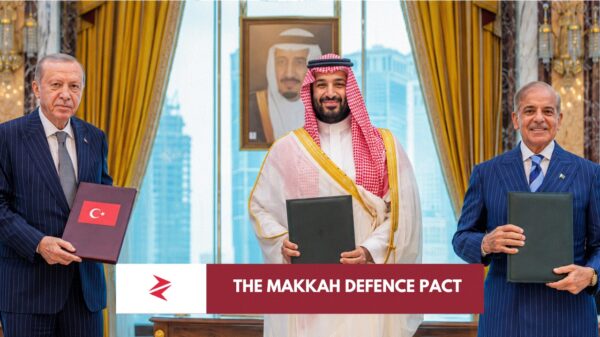
The participation of HRH Crown Prince Mohammed bin Salman in the economic events of G20 further underscores the gravity of this partnership. It signifies not only an economic endeavor but also potentially transformative regional implications. The global community is watching closely.