




















Connect with Zorays

Hi, what are you looking for?

Business & Startups

Pakistan’s $30 Billion Textile Dream: Distortion, Discipline, or Delusion?

Can Pakistan hit $30B textile exports? Data on energy tariffs, IPPs, Bangladesh’s rise, and the innovation gap shaping competitiveness.

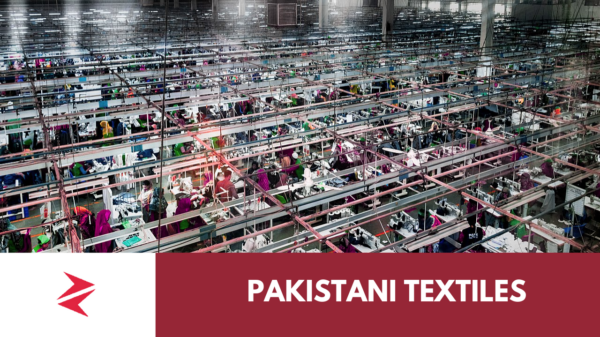
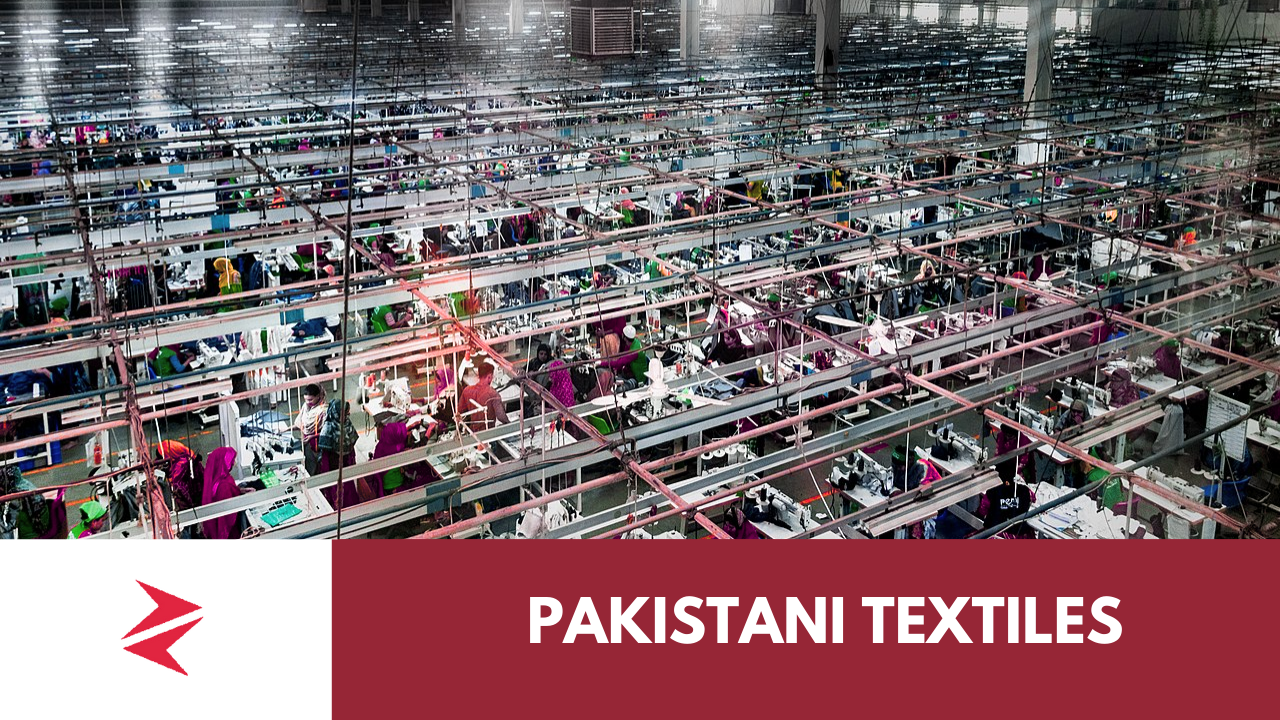
Faisalabad textile mills beneath power transmission lines contrasted with a modern garment factory production line symbolizing Pakistan’s export competitiveness debate.

This intersects with Pakistan’s cost-push inflation trajectory. The inflation-policy chart (PBS, SBP, World Bank data) shows:

  • Inflation peaked at 38% in May 2023.
  • Policy rate peaked at 22%.
  • Clear correlation with global commodity price spikes.

The inflationary spiral was not purely demand-driven. It was commodity and exchange-rate amplified. That context matters when evaluating interest-rate drag on industrial expansion.

3. Textile Sector Contraction Signals

Reports referencing APTMA leadership indicate:

  • 144 textile mills closed since July 2024
  • Concentration in Punjab and Sindh
  • 800–1,000 workers affected per mill
  • ~30% reduction in yarn capacity in certain segments

Even adjusting for exaggeration risk in public debate, closures at this scale suggest systemic strain, not isolated inefficiency.

Textiles comprise roughly 60% of Pakistan’s $30 billion export base, making sectoral instability macro-relevant.

4. The Bangladesh Comparison — Oversimplified or Instructive?

Bangladesh exports $45+ billion in garments, despite limited upstream textile depth. Pakistan, with a vertically integrated fiber-to-finished value chain, remains below $20 billion in textile exports.

Two interpretations emerge:

Industry View:
Bangladesh’s model is less energy-intensive upstream. Gross export comparisons ignore imported input costs (fabric imports exceeding $20 billion annually). Pakistan’s deeper chain structurally increases energy intensity.

Critical View:
Bangladesh invested heavily in:

  • Workforce training (particularly female participation)
  • Lean manufacturing
  • Buyer compliance systems
  • Global brand integration
  • Export clustering

Energy costs alone do not explain a 2x export gap.

READ:   Why Indian Call Center Scams Shouldn’t Happen Again: Policy, Tech, and Enforcement Roadmap

Pages: 1 2 3 4 5

Click to comment

Leave a Reply

Your email address will not be published. Required fields are marked *

You May Also Like

World Affairs

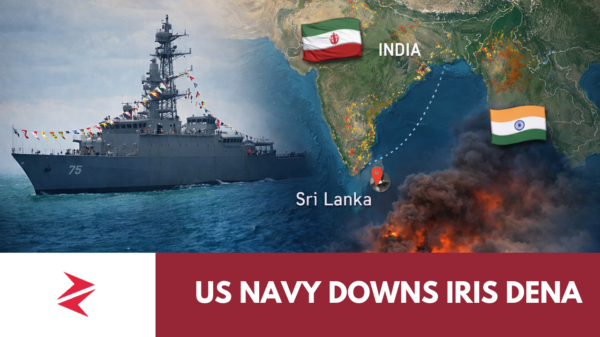
The sinking of Iran’s IRIS Dena near Sri Lanka expands the Iran war into the Indian Ocean and exposes shifting regional alignments involving India,...

Society & Culture

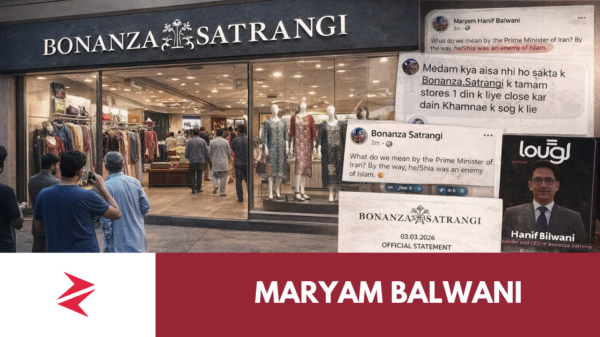
A viral controversy around Bonanza Satrangi erupts after screenshots attributed to Maryam Hanif Balwani spark sectarian backlash, boycott calls, and claims of impersonation.

Society & Culture

Viral backlash against Picky Patty Lahore intensifies after remarks attributed to Saheefa Jabbar Khattak spark boycott calls and widespread criticism online.

World Affairs

Has Washington quietly shifted its Gulf security doctrine to prioritize Israel over GCC stability? A hard look at strategy, silence, and shifting alliances.

World Affairs

A fact-based breakdown of the March 3 blood moon, Purim overlap, numerology claims, and viral prophecy narratives shaping global discourse.

Economy & Markets

Wilmar’s $150M loss on Unity Foods reveals deeper balance sheet and governance risks in Pakistan’s food sector beyond wheat cycles.

Economy & Markets

PSX volatility amid Iran tensions is not a structural crisis. Here’s how disciplined investors and policymakers should respond.

Advertisement

Free Instagram Followers
Top
Index