











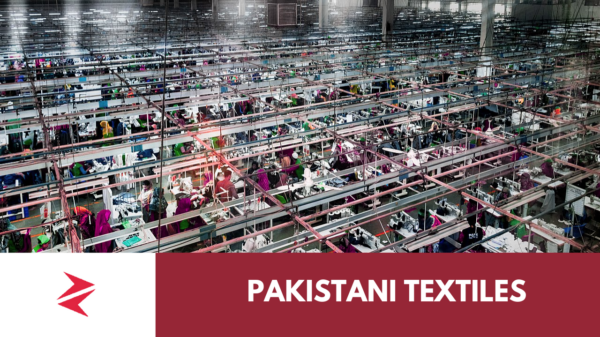










Both arguments contain merit. What is missing is a measurable transformation index: How much of Pakistan’s export growth is value-added versus commodity-based? How much capital expenditure has gone into automation, ERP integration, AI-driven logistics, traceability systems?
5. The Innovation Deficit Debate
Critics argue that every export roadmap begins and ends with cheaper inputs. They ask a pointed question:
If competitive energy and rational taxation were delivered tomorrow, what structural transformation would follow?
Would the industry:
- Move aggressively into branded technical textiles?
- Invest in smart fabrics?
- Capture downstream retail margins?
- Scale digital supply chain transparency?
- Increase female labor force integration?
Or would output simply expand within existing composition?
This is not hostility toward industry. It is strategic interrogation.
6. Currency Depreciation and Elasticity
The rupee moved from ~100 per USD to ~300 per USD over a decade. If exchange rate competitiveness alone determined export acceleration, export volume would have tripled proportionately. It did not.
That indicates structural rigidity beyond currency.
7. Trade Diplomacy & Tariff Positioning
Recent reporting indicates:
- U.S. tariffs on Bangladesh textiles: reduced to 19% (with zero-duty categories conditional)
- India: ~18%
- Pakistan: ~19%
Market perception, compliance credibility, logistics efficiency, and diplomatic leverage influence buyer preference beyond tariff points alone.