



























Connect with Zorays

Hi, what are you looking for?

Business & Startups

Pakistan’s $30 Billion Textile Dream: Distortion, Discipline, or Delusion?

Can Pakistan hit $30B textile exports? Data on energy tariffs, IPPs, Bangladesh’s rise, and the innovation gap shaping competitiveness.

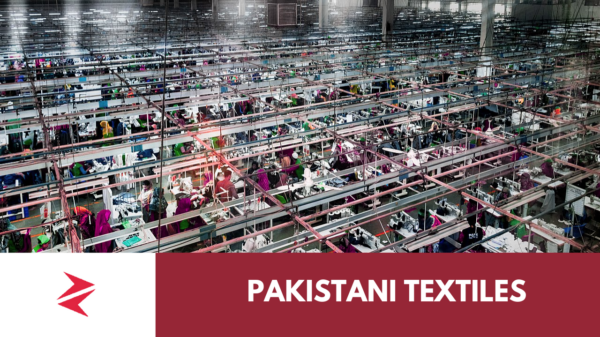
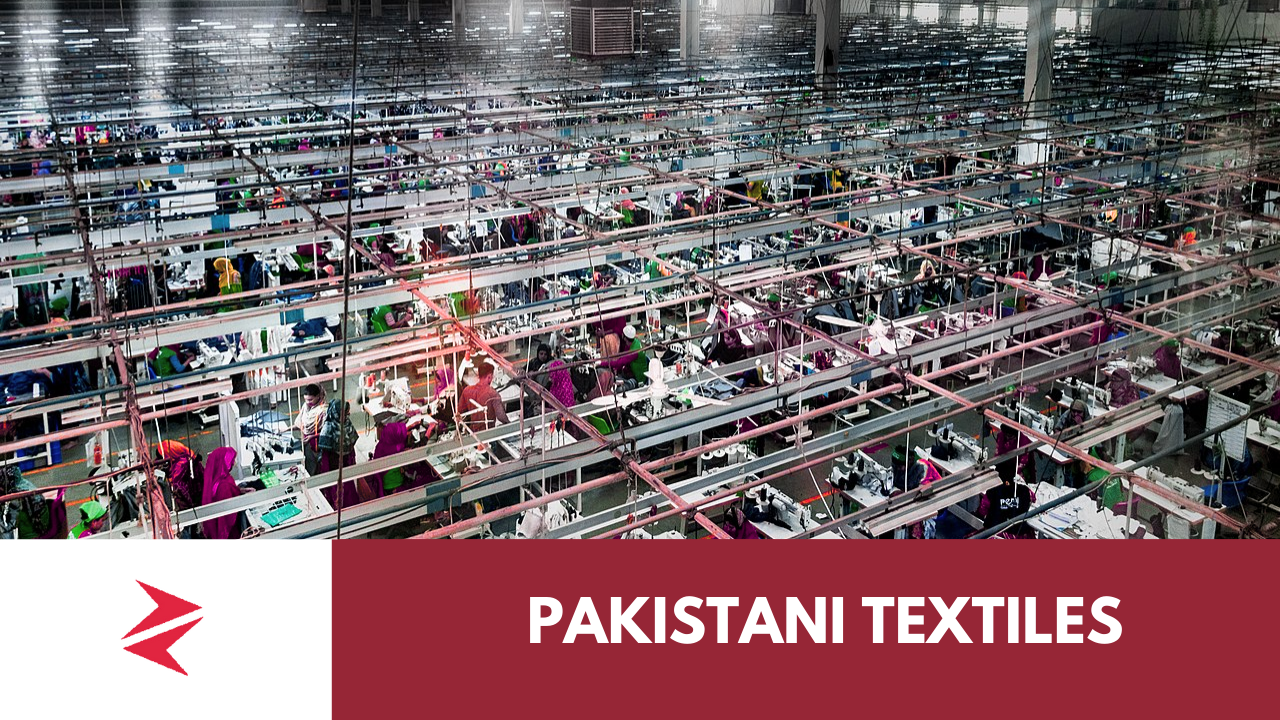
Faisalabad textile mills beneath power transmission lines contrasted with a modern garment factory production line symbolizing Pakistan’s export competitiveness debate.

Tariff parity does not guarantee competitive parity.

8. Governance & Institutional Capacity

The constitutional excerpts on local government and governance reform indirectly point to execution capability. Export transformation requires:

  • Fiscal discipline
  • SOE restructuring
  • Energy market rationalization
  • Refund automation
  • Provincial alignment with export strategy

Policy consistency is capital.

Credibility reduces risk premium.

Without it, even innovative firms struggle to scale.

9. The IPP Debate & Structural Economics

The IPP capacity payment model, particularly take-or-pay contracts indexed to USD returns, contributes to PKR burden under FX volatility. The debate requires technical audit, not populist labeling.

However, persistent structural distortions cannot coexist indefinitely with export ambition.

10. Synthesis: Distortion vs Transformation

The real debate is not:

Cheap energy vs innovation.

It is:

Remove structural distortion so innovation can scale.

Advertisement. Scroll to continue reading.

Competitive input pricing is a precondition. It is not a strategy.
Innovation is a strategy. It is not a substitute for rational cost structure.

Both must occur simultaneously.


Strategic Reality Assessment

Evidence-based conclusions:

  1. Pakistan’s industrial energy costs are regionally uncompetitive.
  2. Capacity payments structurally inflate tariffs.
  3. Textile closures indicate sectoral stress.
  4. Bangladesh’s export dominance cannot be explained by tariffs alone.
  5. Currency depreciation alone does not guarantee export elasticity.
  6. Governance credibility deficit remains a binding constraint.

READ:   Why Indian Call Center Scams Shouldn’t Happen Again: Policy, Tech, and Enforcement Roadmap

Pages: 1 2 3 4 5

Click to comment

Leave a Reply

Your email address will not be published. Required fields are marked *

You May Also Like

World Affairs

The sinking of Iran’s IRIS Dena near Sri Lanka expands the Iran war into the Indian Ocean and exposes shifting regional alignments involving India,...

Society & Culture

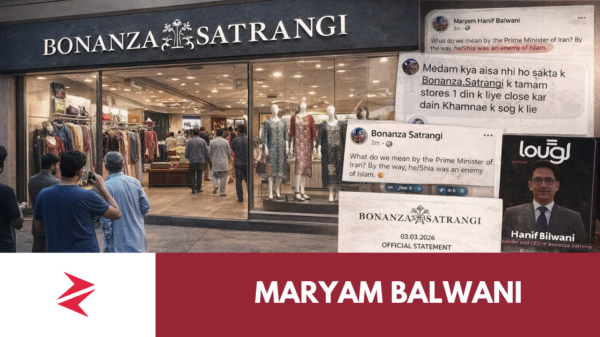
A viral controversy around Bonanza Satrangi erupts after screenshots attributed to Maryam Hanif Balwani spark sectarian backlash, boycott calls, and claims of impersonation.

Society & Culture

Viral backlash against Picky Patty Lahore intensifies after remarks attributed to Saheefa Jabbar Khattak spark boycott calls and widespread criticism online.

World Affairs

Has Washington quietly shifted its Gulf security doctrine to prioritize Israel over GCC stability? A hard look at strategy, silence, and shifting alliances.

World Affairs

A fact-based breakdown of the March 3 blood moon, Purim overlap, numerology claims, and viral prophecy narratives shaping global discourse.

Economy & Markets

Wilmar’s $150M loss on Unity Foods reveals deeper balance sheet and governance risks in Pakistan’s food sector beyond wheat cycles.

Economy & Markets

PSX volatility amid Iran tensions is not a structural crisis. Here’s how disciplined investors and policymakers should respond.

Advertisement

Free Instagram Followers
Top
Index