

























How the Narrative Fractured
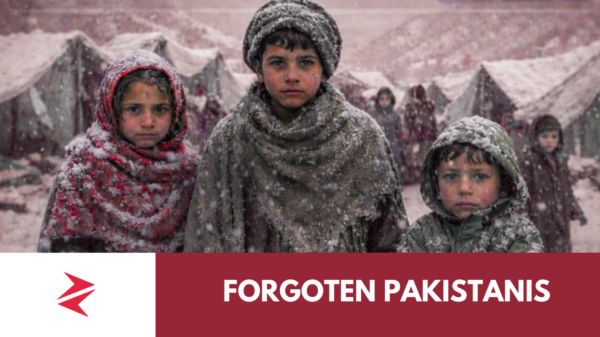
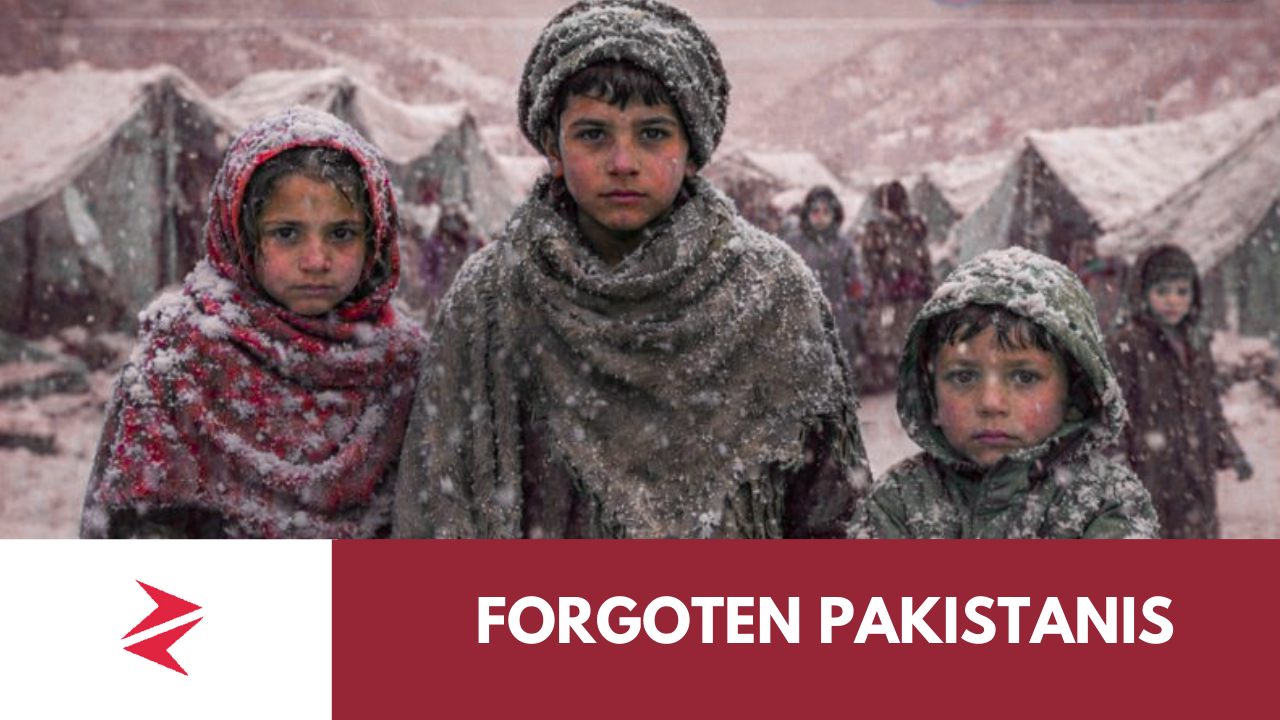
The moment images of snow-covered children and tents surfaced online, the discourse split.
One side framed the movement as forced displacement due to a covert security operation, alleging secrecy, militarization, and coercion. The other side countered that Tirah has followed seasonal migration patterns for generations—particularly among Afridi tribes—and accused political actors of exploiting suffering to mask provincial governance failures or relief-fund controversies.
Both sides spoke loudly. Neither side listened well.
Celebrities, Stories, and the Burden of Speaking Up
Into this charged space stepped a handful of public figures. Instagram stories and reposts circulated from multiple celebrities. Some shared Al Jazeera clips. Others amplified reels titled “The Forgotten Pakistanis.” A few added personal commentary.
Among them, Mawra Hocane drew disproportionate attention—not because she was the only one to post, but because she spoke clearly and unambiguously, attaching her name to the issue rather than letting it dissolve into a 24-hour story cycle.
Others who shared content include Hania Aamir, Ramsha Khan, Dananeer Mobeen, Khushhal Khan, Osman Khalid Butt, Saba Qamar, Dur-e-Fishan Saleem, Maya Ali, and Minal Khan.
Credit is due. But a distinction must be made—without malice or hierarchy.
A repost is visibility.
A statement is accountability.
They are not the same thing.