
































The Cannabis and Chilgoza Side-Narratives
As if the discourse wasn’t crowded enough, fringe arguments resurfaced—dragging Tirah’s long-known cannabis cultivation and comparisons with chilgoza (pine nut) initiatives in former conflict zones of Waziristan.
Yes, Tirah has historically been a major cannabis-growing region.
Yes, chilgoza farming has received structured state and security facilitation elsewhere.
But conflating illegal narcotics economies disrupted by militancy with legal agro-rehabilitation projects is not analysis—it’s rhetorical sleight of hand. There is no evidence of institutional “control” or profiteering equivalence. These comparisons muddy understanding rather than clarify it.
What Gets Lost in All This
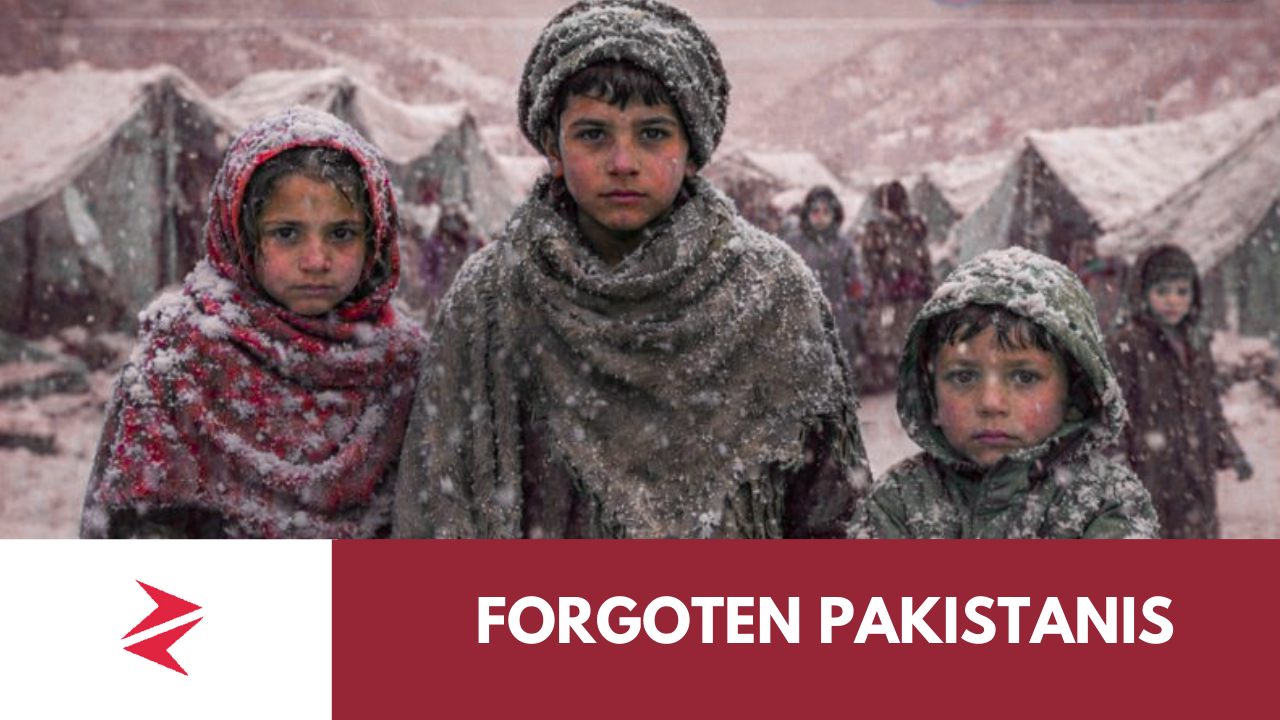
While timelines argue over “who posted first,” families from Tirah are still navigating snow, displacement, uncertainty, and inadequate media attention.
The real failure is not whether the migration was seasonal or forced.
The real failure is that Pakistan only notices Tirah when images go viral.
No headlines during normal months.
No urgency when schools lack heating.
No sustained policy discussion about infrastructure, winterization, or livelihoods.
Just outrage spikes—and then silence.
Where the Conversation Should Go
First, facts must be respected.
Second, humanitarian suffering should not be a political prop.
Third, public voices—celebrity or otherwise—should be encouraged, not policed into silence through abuse.
And finally, Tirah deserves more than being reduced to a trending topic or a counter-narrative.
It deserves continuity.

