



















The Abraham Accords Factor — The Pressure No One Mentions
Here is the part usually avoided in polite briefings.
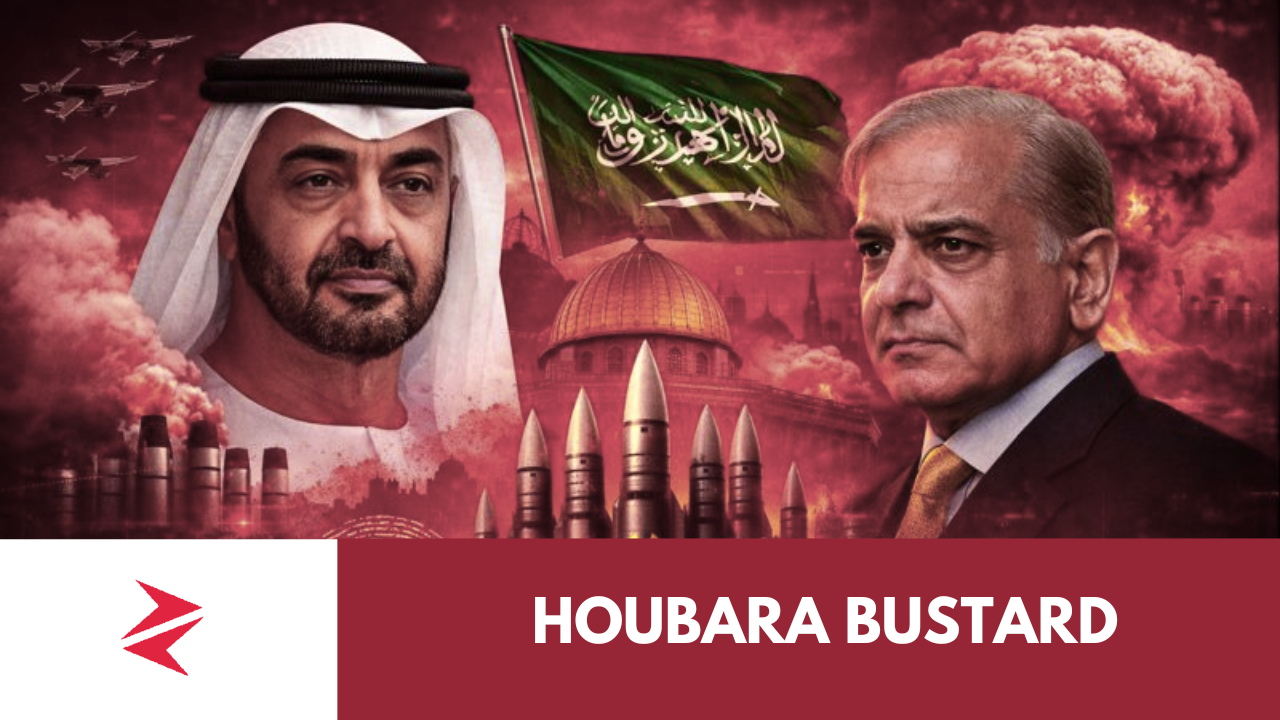
The UAE is the torchbearer of the Abraham Accords in the Muslim world. That role comes with expectations — from Washington, from Tel Aviv, and from Gulf allies — to gradually reshape regional alignments.
Pakistan is one of the largest remaining strategic outliers:
-
Nuclear-armed
-
Militarily credible
-
Politically sensitive to public sentiment on Palestine
No one expects Islamabad to sign anything.
That’s not how pressure works.
Pressure works through alignment, silence, sequencing, and restraint.
The question is no longer whether Pakistan recognises Israel —
but whether Pakistan can be nudged into a posture that does not obstruct the new regional order being built around the Abraham Accords.
And if that posture is to change, it will not be announced.
It will be managed.
Gaza, Peacekeeping, and Why Pakistan’s Army Keeps Coming Up
Another quiet but consequential layer is the emerging discussion around a Gaza peace or stabilization force.
Multiple regional stakeholders see value in a Pakistan Army contingent — not because Pakistan is a party to the conflict, but because it is trusted across the Muslim world while maintaining professional distance from regional rivalries.
For Gulf states balancing domestic opinion with security understandings involving Israel, Pakistan offers strategic insulation:
a credible force without direct political exposure.

In this calculus, Pakistan is not a combatant.
It is a buffer.
And buffers are invaluable when fault lines harden.