












Share the post "Pakistan’s Media Fault Line: Faith, Law, and the Transgender Representation Debate"
Introduction: When Entertainment Becomes a Cultural Trigger
In Pakistan, television dramas are not neutral entertainment. They are cultural instruments. When a primetime drama introduces a character that challenges long-held religious, biological, and legal definitions of gender, the reaction is never confined to ratings—it spills into courts, mosques, social media, and regulatory bodies.
The recent backlash surrounding a transgender character’s appearance in a mainstream Pakistani drama, amplified by fashion designer Maria B, has exposed a deeper national fracture: who decides social normalcy, and on what authority—faith, law, or media power?
The Catalyst: A Drama Scene That Became a National Debate
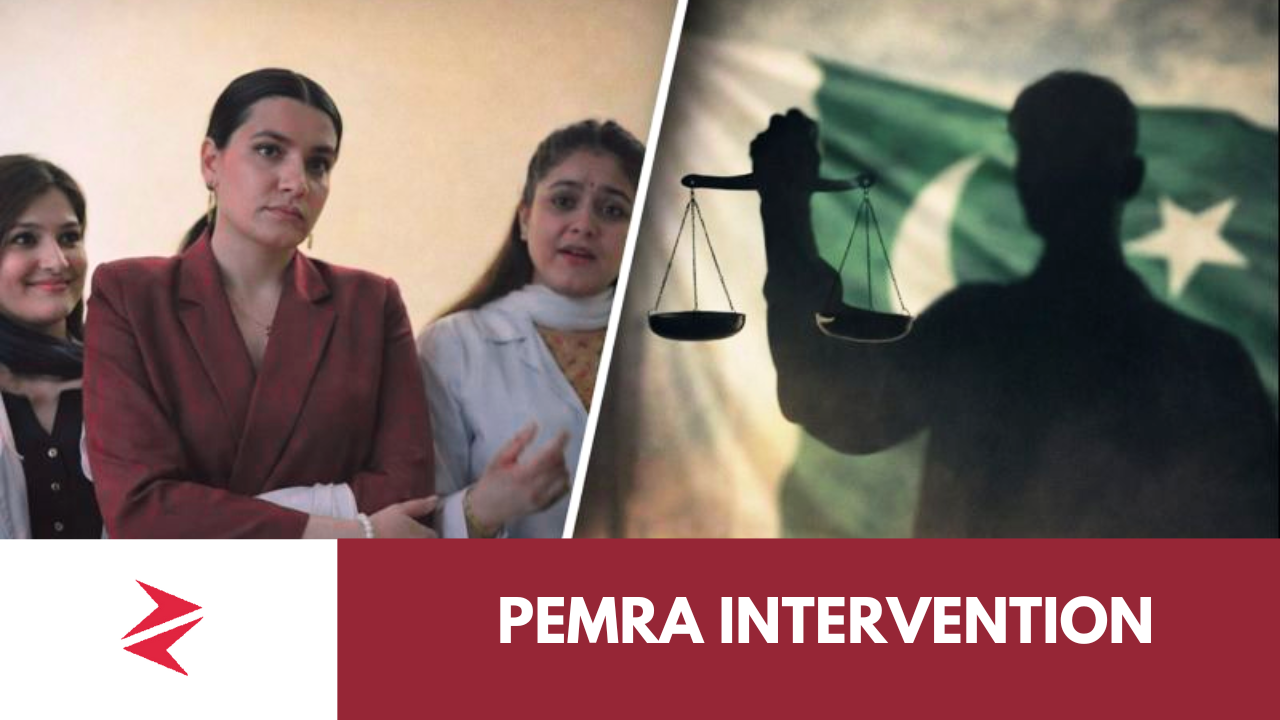
Screenshots and clips circulating across X (formerly Twitter), Instagram, and WhatsApp show a character portrayed as a female doctor in women-centric professional and social spaces. For supporters, this was a routine acting role. For critics, it crossed a red line by normalizing biological males in women-only environments.
What transformed this into a national controversy was not the scene itself—but its framing.
Share the post "Pakistan’s Media Fault Line: Faith, Law, and the Transgender Representation Debate"