







































Pakistan vs Bangladesh: A Divergence Explained
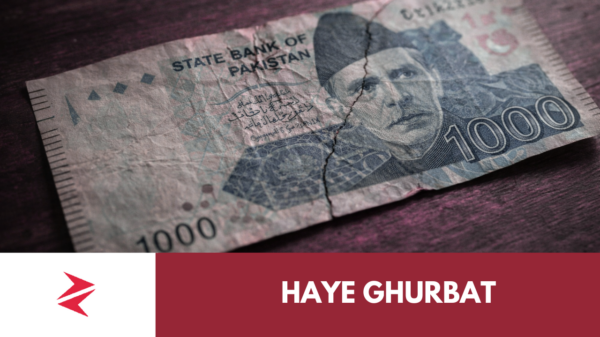
While State Bank of Pakistan pushed rates into double digits to defend the rupee, Bangladesh relied less on monetary shock therapy and more on export earnings, labor participation, and secular governance signals.
Interest rates can delay collapse—but only institutions prevent it.
The Larger Lesson
Bangladesh’s trajectory proves a hard truth for the region:
Nations grow when politics serves economics—not when economics props up politics.
Khaleda Zia’s enduring relevance is not about nostalgia or factionalism. It is about restoring institutional confidence, the one ingredient no central bank can print.
Key Takeaways
-
Currency stability follows export depth, not propaganda
-
Educated, employed women are macroeconomic stabilizers
-
Political alternation reduces capital risk
-
Student movements succeed when economics and ethics align
Bangladesh did not defeat a leader.
It defeated a cult.
And that is why the Taka survived.