



























Blockchain & cryptocurrency

Regulate, Don’t Evade: The Bilal Bin Saqib Paradox

Pakistan’s Crypto Kingpin: Bilal Bin Saqib’s Wild Ride from NGO Hero to Regulatory Rockstar – Or Is It All Smoke and Mirrors?

2 of 5
Use your ← → (arrow) keys to browse

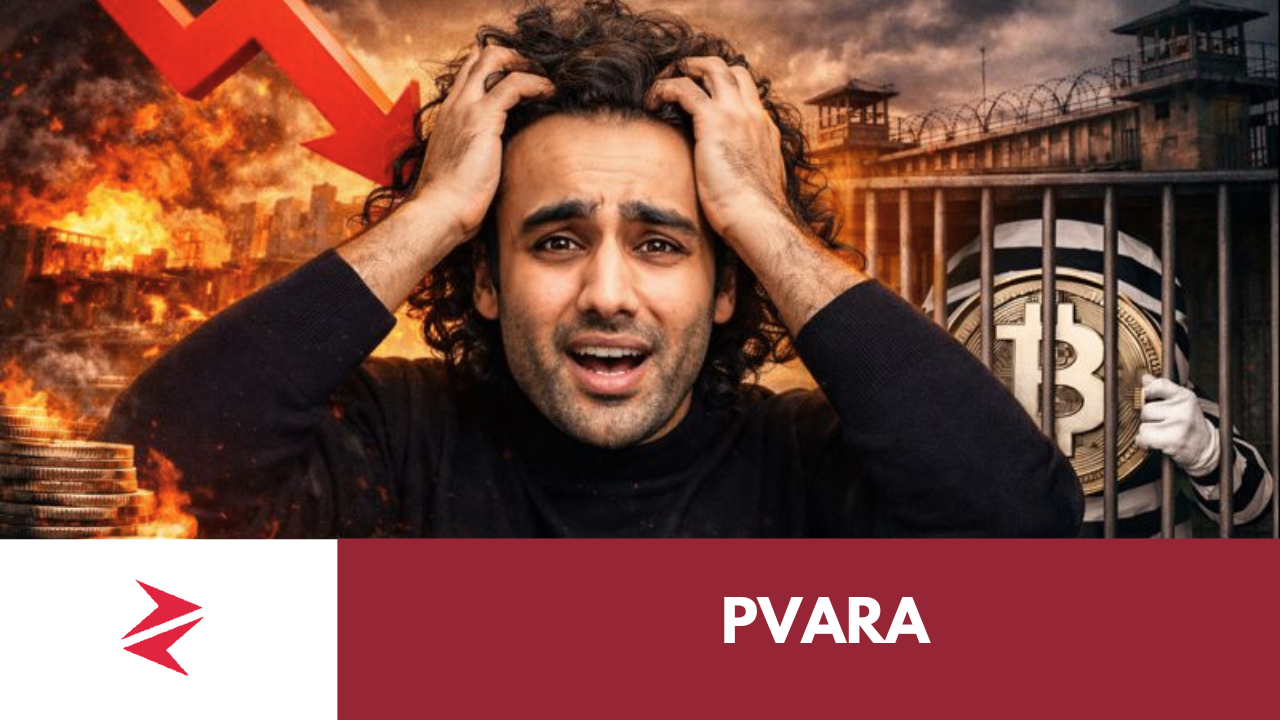
In the fast-paced arena of Pakistan’s burgeoning cryptocurrency landscape, Bilal Bin Saqib emerges as a prominent figure, holding the reins as Chairman of the Pakistan Virtual Assets Regulatory Authority (PVARA). Yet, beneath the surface glamour, one can’t help but wonder: has this ambitious young leader truly carved out his success through merit, or is it more a product of strategic alliances, buzzwords, and a dubious endorsement from Forbes? Join me as we delve into the triumphs, pitfalls, and lingering suspicions that define Bilal’s journey, including his abrupt exit from a council that raises more questions than it answers. This piece isn’t mere commentary—it’s a direct challenge to Bilal himself, @BilalBinSaqib. You’ve built an impressive circle, but are you ready to face the scrutiny?

PVARA’s Milestone: Genuine Progress or Borrowed Brilliance?

On the positive front, PVARA made headlines on December 19, 2025, by granting No Objection Certificates (NOCs) to industry giants Binance and Huobi (rebranded as HTX). Far from a casual gesture, this move establishes what proponents hail as Pakistan’s inaugural fully compliant regulatory framework for virtual assets, emphasizing robust measures against money laundering (AML), the financing of terrorism (CFT), and ensuring transparent ownership to mitigate inherent risks. Drawing inspiration from established models in Dubai, Singapore, and the UK, the initiative unfolds in stages, seeking to tap into Pakistan’s vast pool of 30-40 million unregulated crypto enthusiasts—placing the nation among the world’s top adopters. The overarching ambition is to empower the country’s tech-savvy youth, foster blockchain innovation, and draw substantial institutional investments into tokenized finance by 2035.

The public’s response has been a blend of excitement and caution. Many are thrilled at the prospects for economic growth, Bitcoin’s mainstream integration, and positioning Pakistan as a model for peers like Malaysia and Morocco. As one commentator aptly put it: “This makes so much sense @BilalBinSaqib. Well done. People don’t understand that Pakistan does not want to control but want to regulate crypto. Over $20bn is owned by Pakistanis in cryptocurrency.” There’s palpable enthusiasm for job creation and technological advancement, tempered by concerns over accessibility and the framework’s long-term viability.

That said, my perspective cuts deeper: congratulations on this achievement, Bilal, but is it truly your visionary feat, or simply an adaptation of proven international strategies? Your aspirations for a 2050 fusion of AI and crypto are intriguing, yet your public messaging often stumbles, lacking the clarity needed to inspire confidence. We’ll circle back to that shortly.

Advertisement. Scroll to continue reading.

The Maalik Interview: Evasive Tactics Under the Spotlight

Then there’s the revealing encounter with investigative journalist Mohammad Maalik, a straight-shooter unafraid to expose inconsistencies. During a live television discussion, Maalik posed a fundamental question: “Is it legal or illegal to buy crypto in Pakistan?” Bilal’s reply was anything but direct, veering into suggestions of consulting YouTube videos while expounding on futuristic trends. When pressed further on practical trading methods, he offered little more than vague allusions.

This evasive performance underscores the ambiguities plaguing the Virtual Assets Ordinance of July 2025. While Binance and HTX secured their approvals on December 12, everyday retail participation remains mired in uncertainty, with enforcement mechanisms still underdeveloped. Pakistan’s status as the third-largest hub for informal crypto engagement, as highlighted in a 2025 report, means millions are navigating unregulated waters, even as mining operations gear up for expansion. As Umar Cheema insightfully noted, the sector demands a “credible public face” to build trust, not ambiguous responses that breed doubt. In my view, Bilal, your reluctance to share straightforward guidance suggests you might be safeguarding your own substantial crypto interests—why withhold the roadmap while others scramble? It feels like exclusive access to a lucrative frontier.

From Networking Savvy to Questionable Associations: The Warning Signs

Bilal’s prowess in building connections is undeniable; at his age, he’s already engaging with global heavyweights and advocating for Pakistan on international platforms—a commendable feat. Admirers argue: “Acquire more domain knowledge to understand his messaging… We should fully back him as blockchain adoption could turn out to be a game changer for Pakistan.” His efforts with the Pakistan Crypto Council (PCC), including involving his brother @MominSaqib, appear proactive, potentially smoothing the way for entities like Binance. But is this strategic foresight or mere window dressing? The tactics behind PCC’s initiatives warrant closer examination—#BinanceWatch, anyone?

However, the criticisms are hard to ignore. His resignation from a council amid these developments hints at potential conflicts, fueling doubts about transparency. His background often boils down to socializing in UK crypto circles—perhaps too enamored with affluent figures whose fortunes may not always stem from hard work. The crypto world is rife with smooth-talking opportunists, peddling jargon like “software update 2.0” as groundbreaking ideas.

Adding to the intrigue is Bilal’s personal style: that distinctive chamfered tooth lends a mischievous air, but it can come across as contrived rather than authentic, especially given his rapid ascent. The Forbes 30 Under 30 accolade? Often more about payments than pure merit. His brother Momin transitioned from student counseling to comedy and acting through mimicry skills, while their father, a grounded businessman, allows his sons’ spontaneous pursuits. Bilal’s earlier work with NGOs like Taiba—delivering innovative water solutions to remote communities—was genuinely impactful, but his pivot to crypto places him in a field notorious for figures like Waqar Zaka.

Public sentiment views crypto as a playground for TikTok influencers laundering political funds. Recall the $10 billion in Dubai property acquisitions by Pakistanis in 2024—that capital didn’t materialize out of thin air; it traversed shadowy channels. Momin’s affiliation with PMLN while imitating Imran Khan for online appeal feels disingenuous, and his collaborations with Bilal evoke suspicions of insider dealings, with Momin serving as the vocal promoter.

Advertisement. Scroll to continue reading.

Flaunting wealth publicly is ill-advised, inviting unnecessary perils. As someone who teaches “Share of Voice” in marketing (we apply it even to coats), I advise Bilal to refine his communication to avoid misinterpretation. Prioritize discretion and maturity—your networking skills are top-tier, but without precise messaging, you risk blending into the crowd of opportunists.

A Call to Action: Bilal, Step Up Your Game

Ultimately, Bilal Bin Saqib, you possess the potential to elevate Pakistan as a crypto leader—through effective regulation, innovation, and capital influx. But dodging inquiries, relying on family optics, and projecting a “naughty” persona veer too close to charlatan territory for a chairman’s role. Silence the doubters by ditching the jargon, providing actionable insights, and delivering substance over spectacle. Fail to do so, and this supposed “game changer” could fizzle out. Pakistan’s young generation merits more than vague referrals to online videos.

What’s your take, readers? Is Bilal the visionary Pakistan needs, or is he all sizzle and no steak? Share your thoughts in the comments—let’s amplify this conversation. For more candid explorations of tech, crypto, and Pakistan’s dynamic evolution, keep following zorayskhalid.com. If this resonates, spread the word! 🚀

Click to comment

You May Also Like

Exit mobile version