


























PVARA’s Milestone: Genuine Progress or Borrowed Brilliance?
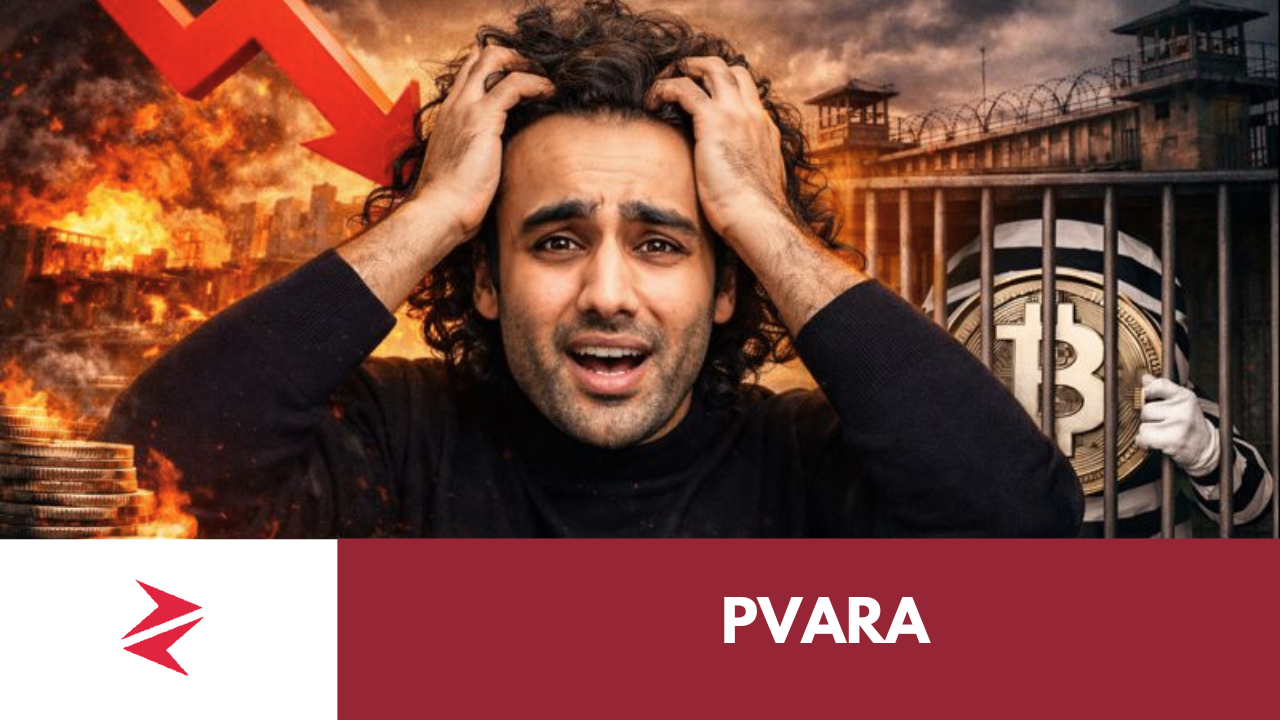
On the positive front, PVARA made headlines on December 19, 2025, by granting No Objection Certificates (NOCs) to industry giants Binance and Huobi (rebranded as HTX). Far from a casual gesture, this move establishes what proponents hail as Pakistan’s inaugural fully compliant regulatory framework for virtual assets, emphasizing robust measures against money laundering (AML), the financing of terrorism (CFT), and ensuring transparent ownership to mitigate inherent risks. Drawing inspiration from established models in Dubai, Singapore, and the UK, the initiative unfolds in stages, seeking to tap into Pakistan’s vast pool of 30-40 million unregulated crypto enthusiasts—placing the nation among the world’s top adopters. The overarching ambition is to empower the country’s tech-savvy youth, foster blockchain innovation, and draw substantial institutional investments into tokenized finance by 2035.
The public’s response has been a blend of excitement and caution. Many are thrilled at the prospects for economic growth, Bitcoin’s mainstream integration, and positioning Pakistan as a model for peers like Malaysia and Morocco. As one commentator aptly put it: “This makes so much sense @BilalBinSaqib. Well done. People don’t understand that Pakistan does not want to control but want to regulate crypto. Over $20bn is owned by Pakistanis in cryptocurrency.” There’s palpable enthusiasm for job creation and technological advancement, tempered by concerns over accessibility and the framework’s long-term viability.
That said, my perspective cuts deeper: congratulations on this achievement, Bilal, but is it truly your visionary feat, or simply an adaptation of proven international strategies? Your aspirations for a 2050 fusion of AI and crypto are intriguing, yet your public messaging often stumbles, lacking the clarity needed to inspire confidence. We’ll circle back to that shortly.