


































Governance and Institutional Accountability
Pakistan has historically struggled with mega-project transparency. Whether it was energy contracts, telecom licenses, or infrastructure expansions, documentation often emerges after controversy rather than before it.
This is not about personal attacks. It is about systemic design.
When billions are allocated for cyber infrastructure, three things must be public:
-
Procurement framework
-
Technical objective
-
Oversight mechanism
Was there a competitive bidding process?
Was the vendor international or domestic?
Was there cybersecurity auditing?
Was parliament briefed?
If the firewall was part of a broader national cyber-defense architecture, then present the architecture. If it was misconfigured or ineffective, then explain the technical shortcomings. Public funds are not classified secrets.
Transparency strengthens sovereignty. It does not weaken it.
Digital Sovereignty vs Digital Control
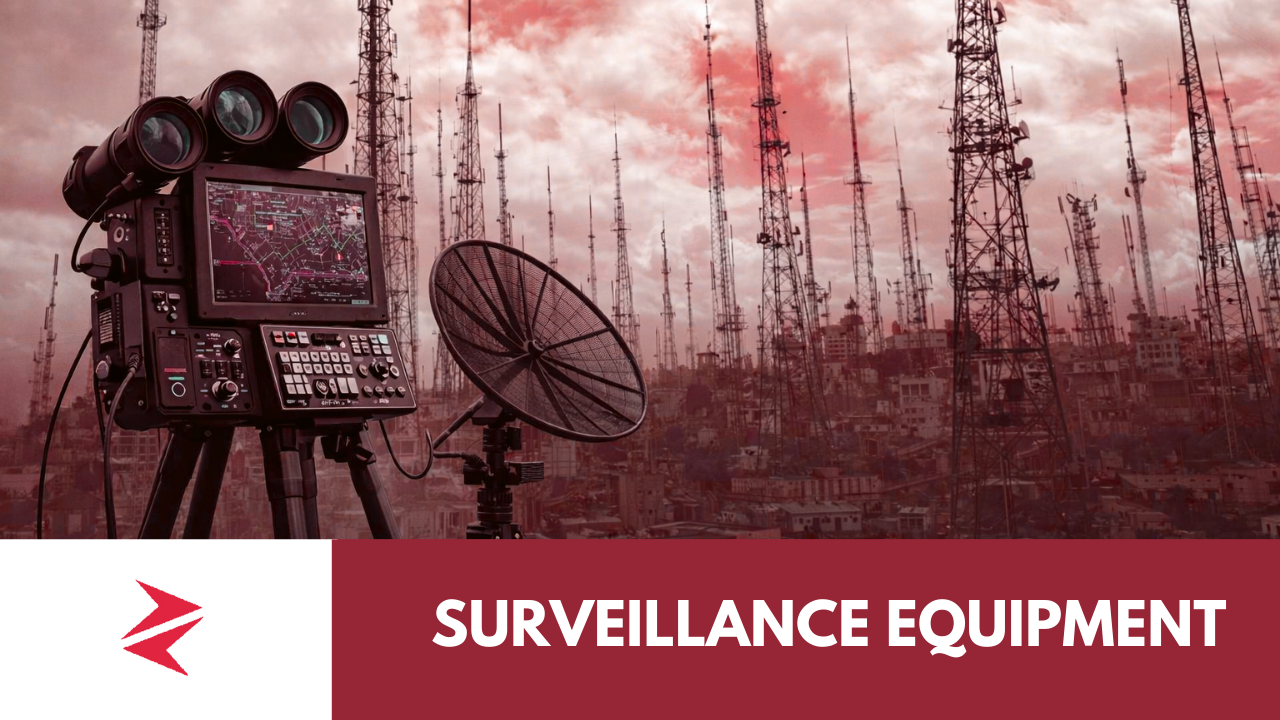
In my previous article, I acknowledged that states must monitor hostile disinformation campaigns and external cyber threats. Pakistan faces narrative warfare daily. But surveillance must be anchored in law and oversight — not improvisation.
There is a difference between:
• Cyber defense
• Content moderation
• Political filtering
• Network throttling
Blurring those lines creates policy instability.
A modern digital state invests in capability quietly — but explains structure clearly. It does not allow rumor to define infrastructure.
The Strategic Question
Was this firewall:
A long-term national cyber shield?
A politically reactive censorship tool?
A prematurely deployed technical layer?
Or a transitional infrastructure piece for 5G evolution?
Until PTA or the relevant ministry issues formal documentation, public debate will remain speculative.
Calling a spade a spade does not require abuse. It requires clarity.
If PKR 40 billion was allocated responsibly for digital security, show the blueprint.
If it was mismanaged, show the audit.
If it is being repurposed for 5G, explain the transition.
Pakistan deserves digital strength. But strength without transparency becomes suspicion.
The real issue is not whether a firewall exists. Every serious nation has layers of digital control and monitoring. The issue is whether governance matches expenditure.
Public money demands public answers.