























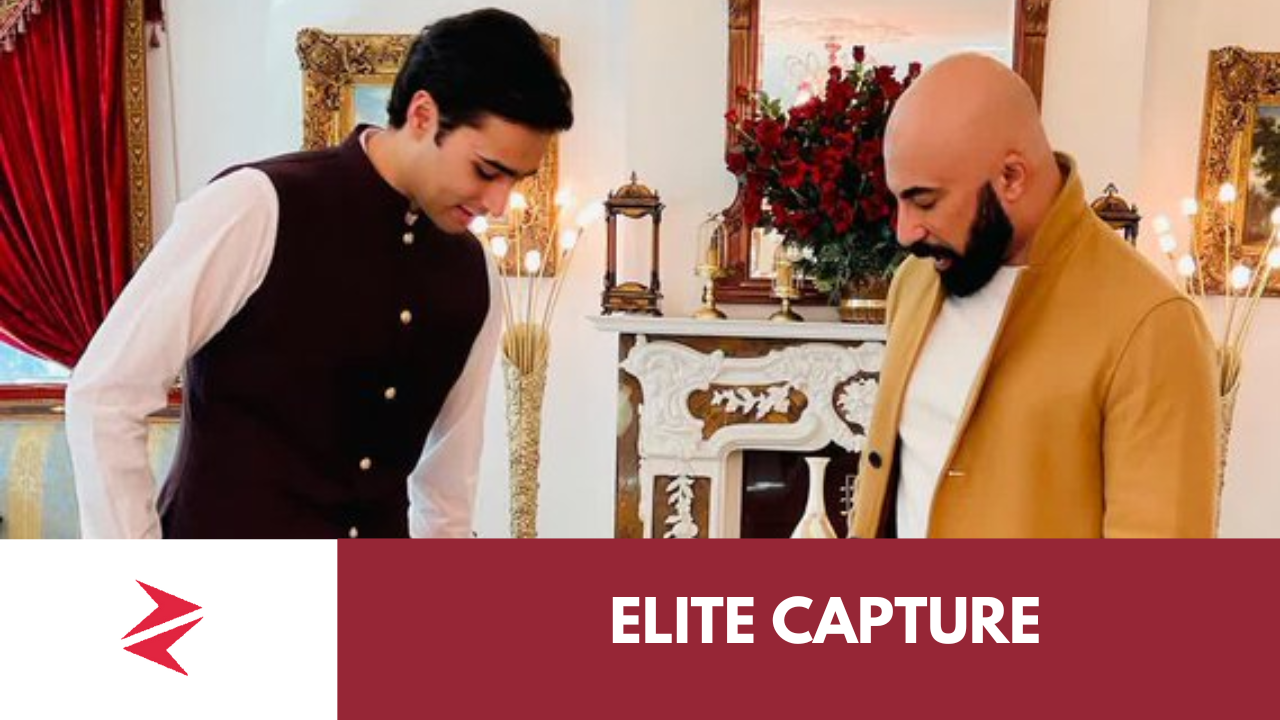
Junaid Safdar’s walima, held after the mehndi and baraat ceremonies near Lahore, became a high-profile gathering that drew senior political figures and intense online attention. Among the attendees were former prime minister Nawaz Sharif and Prime Minister Shehbaz Sharif, with the event staged amid elaborate floral arrangements and candle-lit décor.
Maryam Nawaz publicly referenced General Asim Munir’s presence on her son’s Walima as a symbol of improved civil–military optics. On social media, much of the commentary celebrated the styling and presentation of Maryam Nawaz and the bride, while criticism coalesced around Shanzay’s bridal lehenga by Tarun Tahiliani, as well as speculation over an expansive menu that appeared to go beyond Punjab’s one-dish marriage regulation—though the use of a private venue may place the event outside the law’s formal scope.
The uproar around Junaid Safdar’s wedding is less about clothes and more about what people project onto them. Fashion became a proxy battlefield for morality, economics, and power. That framing is lazy. Wearing Nomi Ansari, HSY, Faraz Manan — or Sabyasachi and Tarun Tahiliani — is not a crime, nor a moral failure. It is a consumption choice within a legal market.
Pakistan is a country where wealth coexists with deprivation. That tension is real. But confusing optics with ethics helps no one. The ethical test is not embroidery; it is legality, taxation, transparency, and conduct in office. If wealth is lawful and taxes are paid, the wearer’s passport does not change because of a label stitched inside a sherwani.
Local designers like Nomi Ansari, HSY, and Faraz Manan represent a mature domestic luxury ecosystem: artisans, ateliers, textile mills, stylists, photographers, set designers, florists, caterers, transporters. Weddings are not just spectacles; they are employment multipliers. Criticizing the existence of luxury confuses redistribution with resentment. Redistribution is policy. Resentment is noise.
Invoking Indian couturiers such as Sabyasachi and Tarun Tahiliani adds another layer of misdirection. Cross-border fashion consumption is routine across the subcontinent’s elites, just as Pakistani textiles are worn abroad. Cultural exchange via couture is not geopolitical betrayal. If anything, it signals how porous taste is in a globalized luxury market.
The Junaid Safdar wedding became a Rorschach test. Some saw excess; others saw a private celebration including Marriyum Aurangzeb reutilizing her leader Maryam Nawaz’s old necklace. Or same old sherwani by the dulha, or tubrans aka pags by the groom’s side. Both reactions are understandable. What is not defensible is collapsing all critique into wardrobe policing. The sharper questions are older and harder: sources of wealth, conflict of interest, abuse of power, and whether public duty is honored. Those are worth prosecuting in public debate. Sequins are not.