






































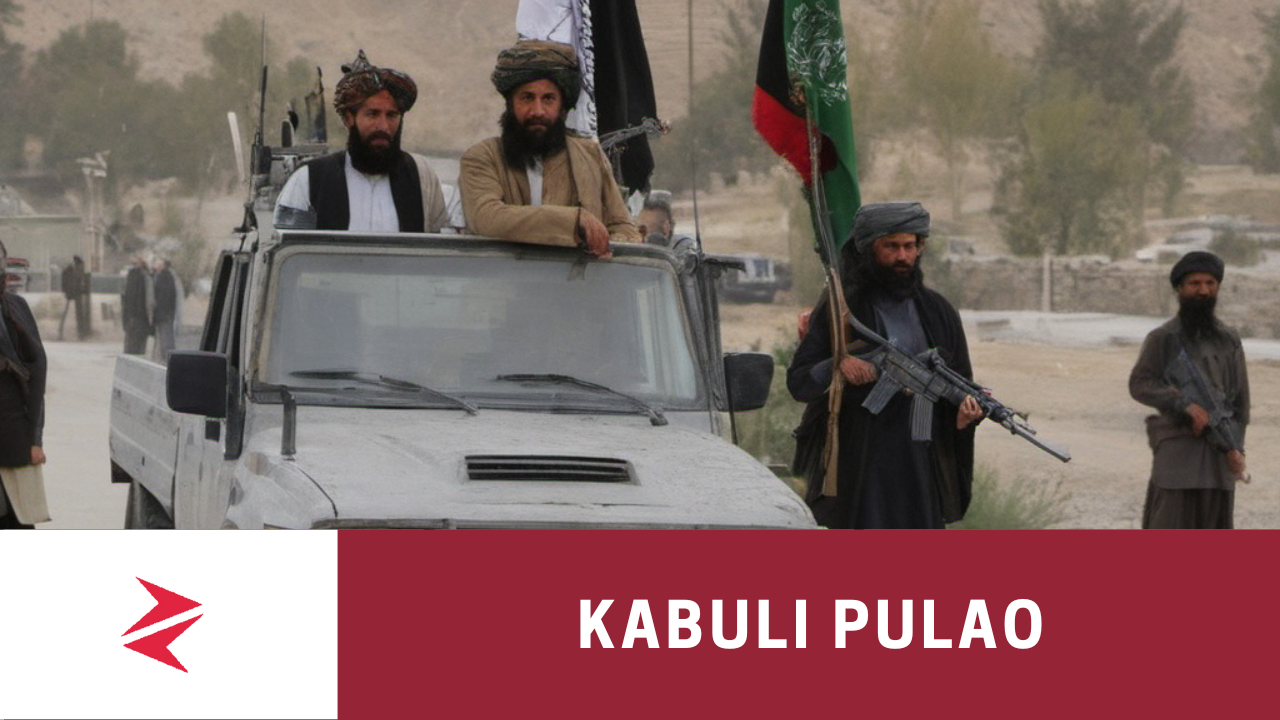
To comprehend the current turmoil in Afghanistan, it’s essential to revisit the events of September 1996 when the Taliban first seized control of Kabul. Brig Sultan Mahmud’s account sheds light on the rapid advance of the Taliban, illustrating their formidable and efficient strategy.
The Taliban’s entry into Kabul 27 September 1996 was marked by swift and bold movements across multiple fronts. As of June 13, 2021, the Taliban had already captured 25 out of approximately 421 districts, showcasing a similar pattern to their past successes. Mahmud’s narrative delves into the historical context, emphasizing the significant events leading up to the fall of Kabul.
The account highlights the political landscape of the time, with Afghan leaders such as Haji Abdul Qadeer, Commander Abdul Haq, and others rushing to safety in Pakistan. The politicization of conflicts, personal vendettas, and the involvement of warlords are intricately woven into the narrative, providing a deeper understanding of the complexities surrounding the fall of Kabul.
The Taliban’s remarkable speed in capturing towns, army posts, and garrisons is emphasized, creating a stark contrast with the fleeing opposition. The geopolitical implications of the Taliban’s advance are explored, with mentions of the shifting narcotics trade routes and the involvement of neighboring countries.
The recounting of events leading up to the night of September 26, 1996, when the Taliban stood at Kabul’s eastern entrance, sets the stage for their takeover. The swift and nearly unopposed entry into the city, coupled with the departure of key opposition figures, paints a vivid picture of a changing power dynamic.
