























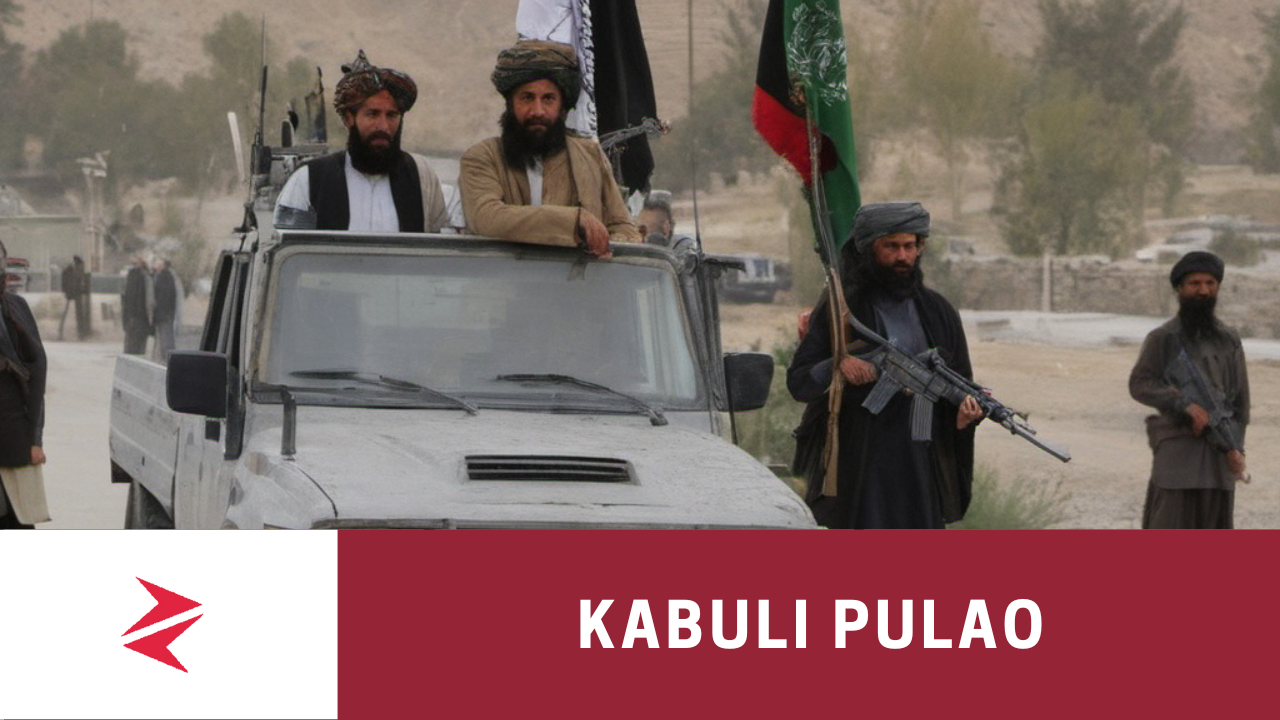
“People are joining our ranks in a way we’ve never seen before,” states one of the TTP commanders, Omar Mukarram Khorasani, signaling a concerning trend. The factors contributing to the TTP’s renewed strength include the ousting of leaders like Imran Khan, which has fueled anti-establishment sentiments. The Pakistani military has lost the love and support of a significant portion of the population, especially among the Pashtoon people. As a result, there is growing disillusionment, and some are looking towards any power that can address the country’s challenges, even if it involves brutal action against established figures.
If the current trajectory persists without correction from the Pakistani establishment, there is a growing fear that the situation may deteriorate further, leading to increased instability and violence in the region. It underscores the urgent need for the Pakistani authorities to address the root causes of discontent and work towards a more stable and secure future for the country.
For a comprehensive exploration of the complexities surrounding the Pakistan-Afghan border crises, Chitral’s role in the Battle of Birkot, and Afghanistan’s broader context, delve into the following articles by Zorays Khalid: Pakistan-Afghan Border Crises, Chitral in the Battle of Birkot, Afghanistan.
