Khorasan, Pakistan, and the Politics of Sacred Geography
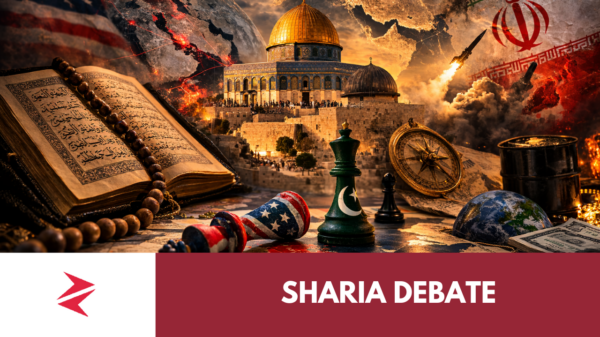
The Khorasan debate is not really about maps alone. It is about prophecy, identity, and Pakistan’s urge to locate itself inside a grander civilizational story.
Post Views:122
Published
and it takes 4 minutes to read.
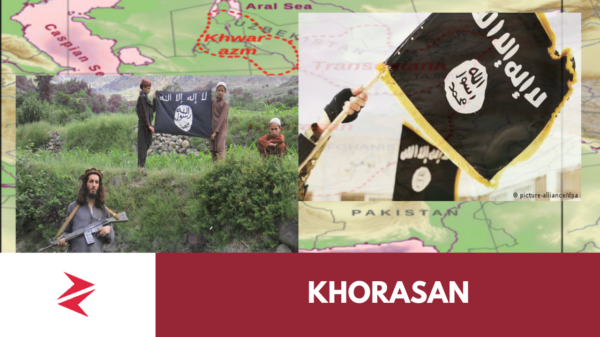
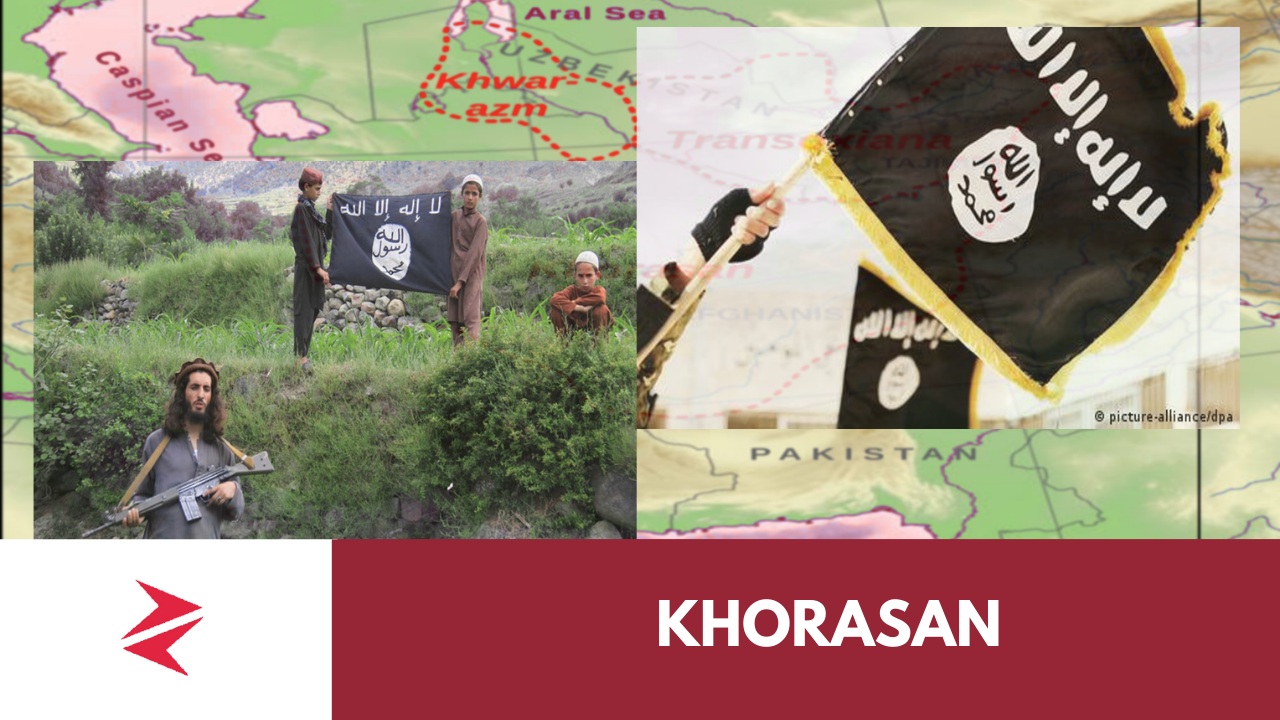
That emotional impulse is understandable, but it is also dangerous when not disciplined by history. The source material is striking on this point because it does not merely mention Khorasan in passing; it shows people arguing openly over whether Pakistan belongs there at all, with some rejecting the claim bluntly and others mocking the search for “lore” that flatters identity rather than clarifying reality. One source line explicitly says west of the Indus is not Khorasan, while others ridicule the need to force Pakistan into an imagined civilizational frame simply because it sounds spiritually grand.
That skepticism matters, because sacred geography can quickly become political intoxication. Once a society starts reading its present through flattering symbols instead of disciplined history, every strategic mistake can be reframed as part of some larger destiny. Every blunder becomes “4D chess.” Every ideological project becomes sanctified through vague civilizational language. In Pakistan, where the state, jihad-era mobilization, frontier mythmaking, and religious narrative have overlapped for decades, that kind of rhetorical inflation is especially risky. The source material reflects this very suspicion, including the argument that such narratives were cultivated during the Afghan jihad era and later turned against the same structures that once found them useful.
Yet the correction to that excess is not to think smaller of Pakistan. It is to think more truthfully. Pakistan does not need borrowed grandeur. It already occupies one of the deepest civilizational crossroads in the Muslim world, where the Indus inheritance, Persianate memory, Pashtun frontier, Central Asian movement, Punjabi political depth, and post-colonial Muslim statehood all converge. That is not a thin story needing imported romance. It is already enormous. The real problem is impatience with complexity. People want one label to perform the work of history.
Khorasan may survive as poetic memory, as a civilizational echo, even as a symbolic horizon in some religious imagination. But the moment it is treated as unquestionable modern geopolitical doctrine, it stops helping and starts distorting. Nations serious about their future cannot afford to build themselves on narrative intoxication. They need a pride strong enough to survive without fabrication, and a history deep enough to carry identity without the crutch of exaggerated mythology. Pakistan deserves exactly that kind of confidence.