

























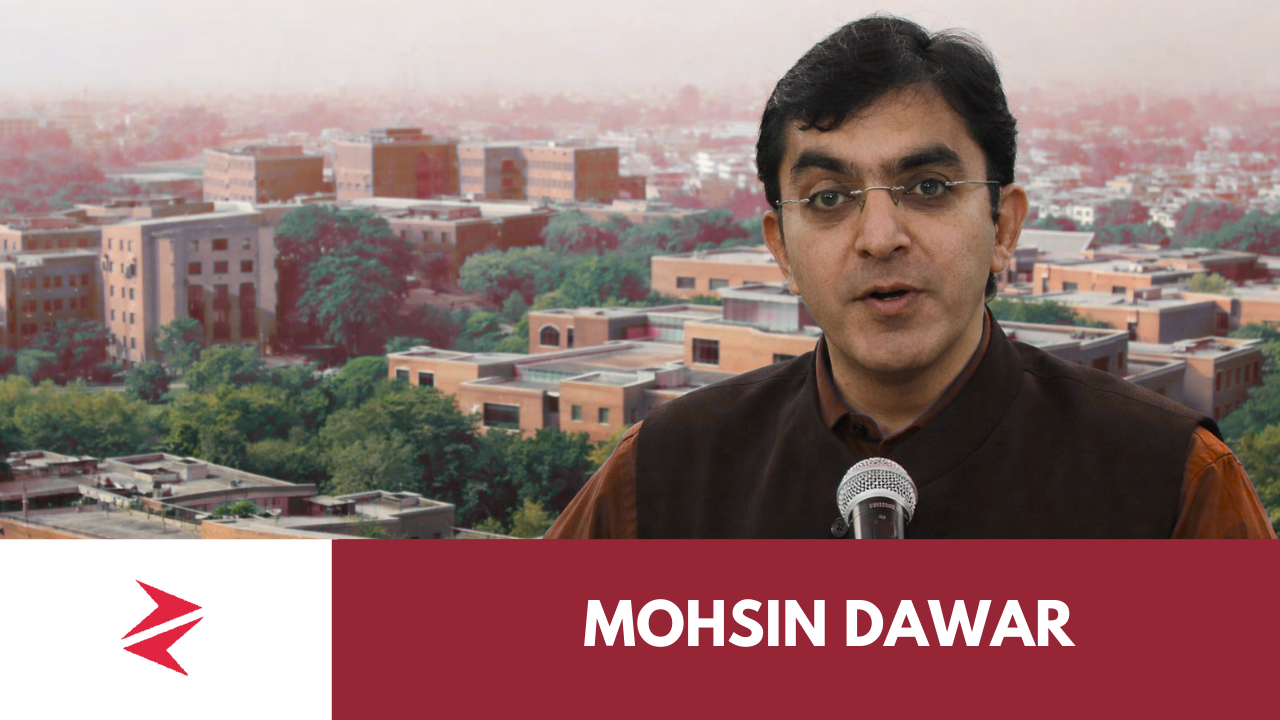
Share the post “LUMS, Mohsin Dawar, and the Punjabi Question: Are We Afraid of Debate or Afraid of Ourselves?”
The Peripheral Grievance Question
There is a legitimate history that cannot be erased with hashtags. From the Afghan jihad era to the FATA conflict, from drone strikes to internal displacement, the tribal belt has carried disproportionate security burdens. These are documented realities. Policies during the 1980s jihad, the Musharraf era’s cooperation with the United States, and later counter-terror operations reshaped entire communities.
Criticizing those policies is not anti-Punjab. It is a critique of federal decision-making.
The state’s historical strategy—training militants in one era, combating them in another—created consequences that still ripple through KP and former FATA. Even critics of Mohsin Dawar must acknowledge that these historical realities are not invented grievances.
But here is where nuance is lost: critique of federal power becomes framed as hatred of an ethnicity. That transformation is politically convenient, but intellectually dishonest.
The PTM Question and Ideological Confusion
Another line of attack claims that PTM’s Marxist rhetoric or Dawar’s past statements disqualify him from speaking. Fine. Debate those positions. Confront them intellectually. Invite opposing speakers. Expose contradictions.
But silencing is not rebuttal.
A federation confident in itself does not fear a microphone. It responds with arguments.
If Mohsin Dawar glorifies historical figures like Faqir of Ipi, then scholars should contextualize that history. If he made controversial statements during counter-terror operations, challenge him publicly. That is what academic spaces are for.