


































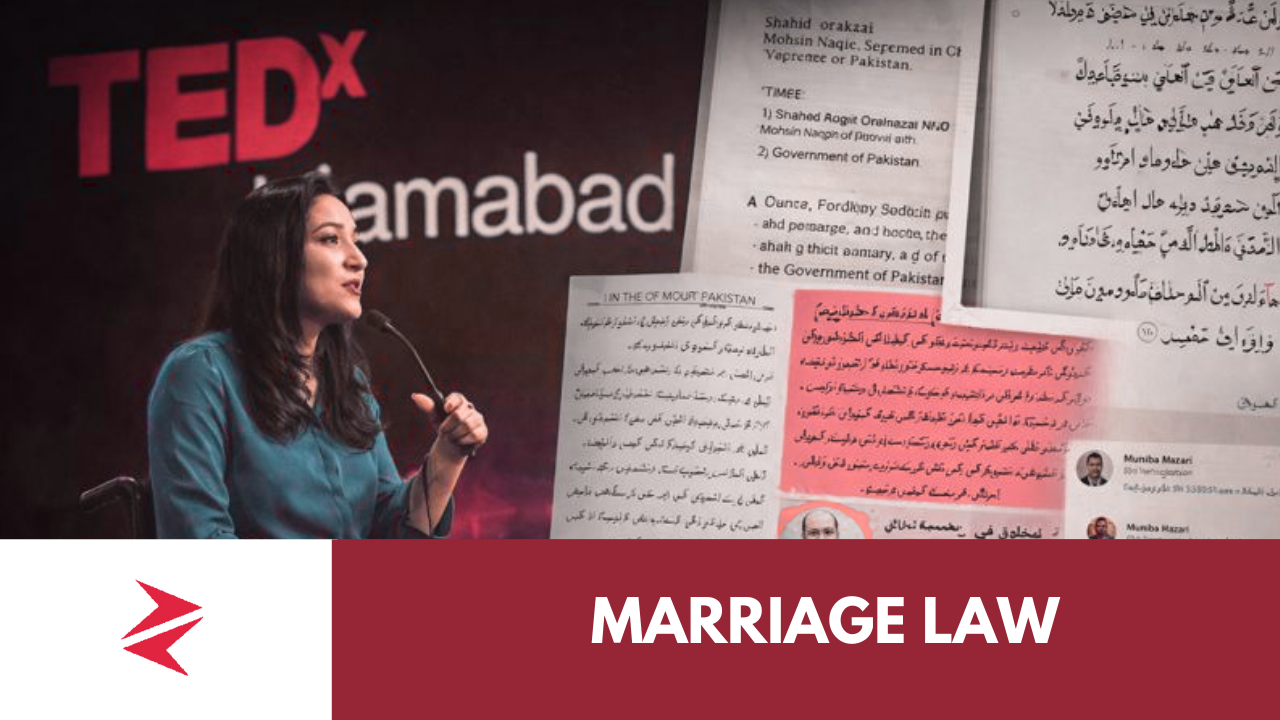
What the Law Says (Source-Backed)
Under Pakistani law:
-
The Child Marriage Restraint Act sets the legal minimum marriage age at 16 for females and 18 for males (with provincial variations and penalties).
-
Marriage requires consent, registration, and legal documentation.
-
Violations are criminal offenses, regardless of religious justification.
These laws operate under Pakistan’s constitutional framework, not under individual interpretations of religious jurisprudence.
What the Law Does Not Say (Clarification)
-
The law does not equate religious permissibility with legal permissibility.
-
Courts do not adjudicate marriage disputes based solely on theological arguments.
-
Public speech—even religious speech—does not override statutory law.
This distinction is critical, yet frequently blurred in online discourse.
The Contested Claims and the Public Dispute
Claims Made in Public Discourse (Disputed / Opinion-Based)
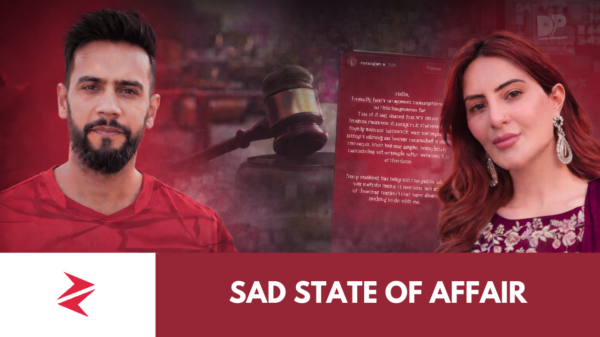
In later interviews and public statements, Muniba Mazari described aspects of her marriage as:
-
emotionally coercive,
-
entered at a young age,
-
and associated with trauma following her accident.
These statements sparked intense backlash, particularly from commentators who argued that:
-
her narrative had evolved over time,
-
her earlier public appearances framed her marriage differently,
-
and that inconsistencies undermined credibility.
It is important to state clearly:
These are disputes over narrative and interpretation, not judicial findings.
There is no publicly available court judgment declaring criminal liability against her former spouse or family. Assertions circulating on social media remain allegations or opinions, not established fact.