































-
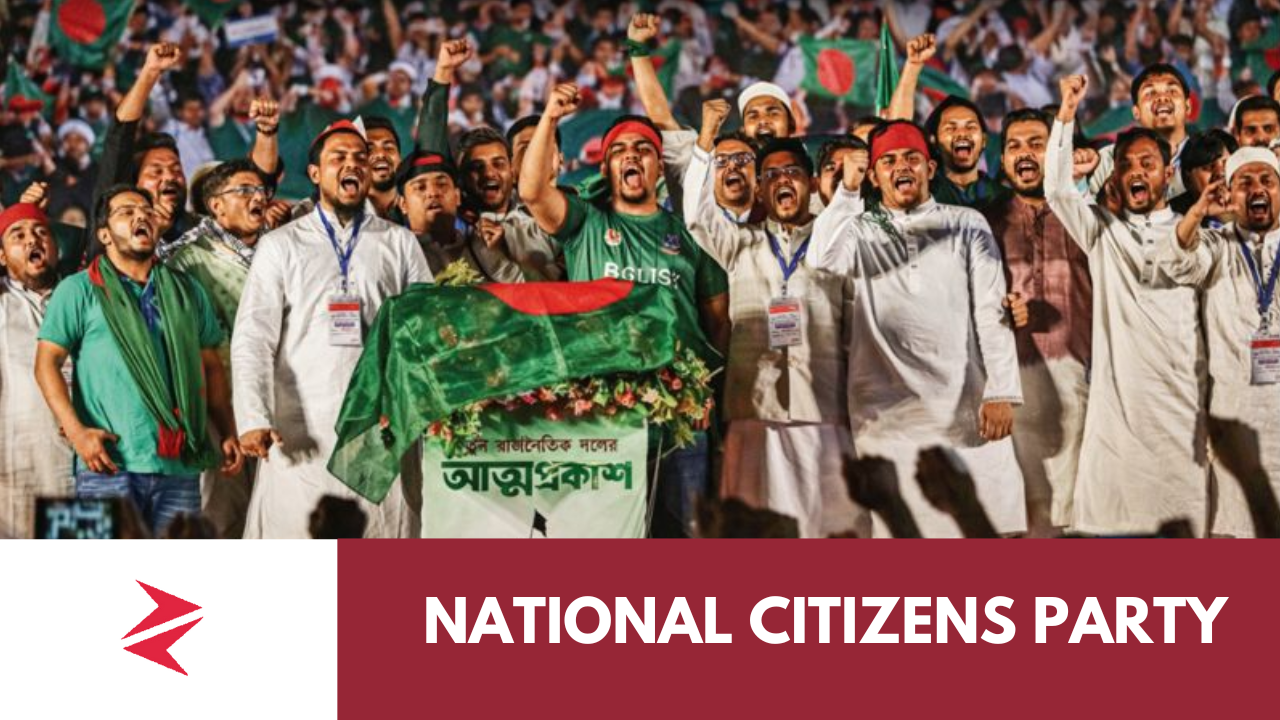
Jamaat has deep roots in conservative pockets and disciplined voters.
-
Combined, an NCP–Jamaat bloc could plausibly capture 10–20% of seats in a fragmented field.
-
That’s kingmaker territory, not a governing mandate.
Who is still the frontrunner?
Despite the churn, the Bangladesh Nationalist Party (BNP) remains best placed to secure a plurality or majority, under the shadow leadership of Tarique Rahman. Its nationwide network, vote discipline, and muscle memory matter on election day.
Rebutting the “baccha party” narrative
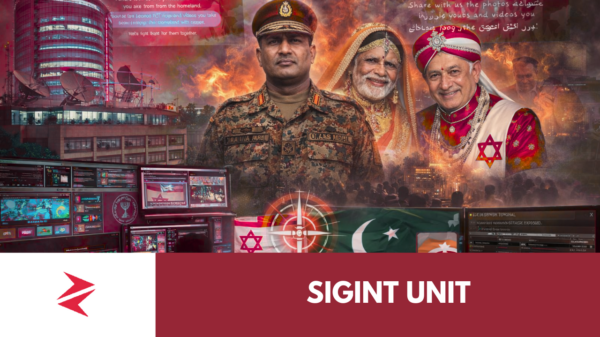
A December 2025 India Today article amplified comments by a Pakistani youth politician threatening missiles if India interfered in Bangladesh—deriding such talk as immature while invoking the 1971 surrender of 93,000 Pakistani troops and alleging a Pakistani “clawback” via Jamaat.
Here’s the grounded counter:
-
Local agency beats grand conspiracy. Jamaat is a Bangladeshi actor pursuing domestic power-sharing, not a proxy rebooting 1971. Electoral alliances reflect arithmetic, not revanchism.
-
The youth aren’t history-blind. The fiercest resistance to the Jamaat tie-up is inside the NCP—precisely because 1971 still matters.
-
Bangladesh’s trajectory undercuts the claim. On GDP per capita and human development, Bangladesh now outperforms Pakistan—hardly evidence of vulnerability to external capture.
-
Humanitarian truth cuts the other way. Writer Taslima Nasreen has documented the grim reality of stranded Bihari Bengalis in Pakistan—stateless, slum-bound, blamed for 1971. That tragedy underscores why Bangladeshi nationalism is resilient, not pliable.
Calling a youth movement “baccha party” may score clicks; it doesn’t explain outcomes.