
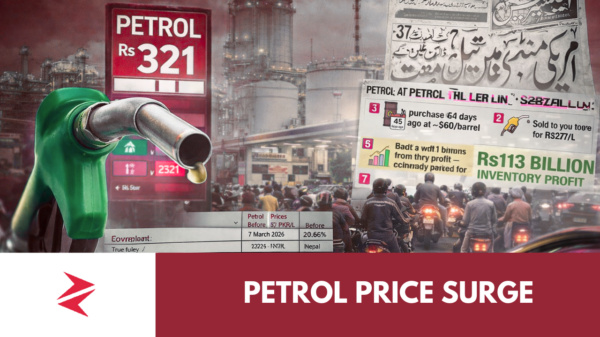




















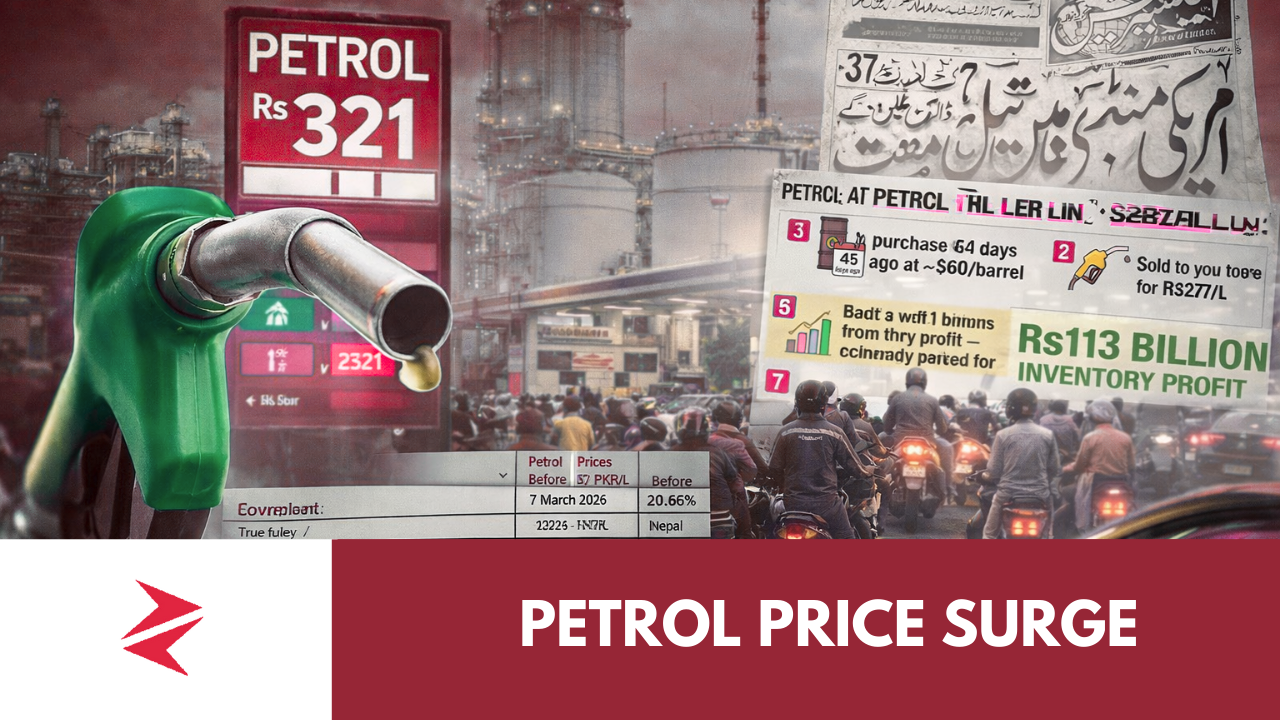
Pakistan’s petrol price crossing Rs321 per liter in March 2026 has triggered an intense national debate. The controversy goes far beyond the immediate price increase. At its core lies a deeper question: how much of the petrol price actually reflects the cost of oil, and how much comes from government taxes and policy decisions?
Public frustration intensified after a Rs55 increase in petrol prices, which came despite officials previously stating that Pakistan had approximately 25–28 days of oil reserves available. For many citizens, the timing of the increase raised questions about pricing policy, taxation levels, and whether the state shares the economic burden with ordinary consumers.
The debate quickly moved from simple price hikes to a detailed examination of what actually makes up the petrol price in Pakistan.
Global Oil Prices and Pakistan’s Energy Dependence
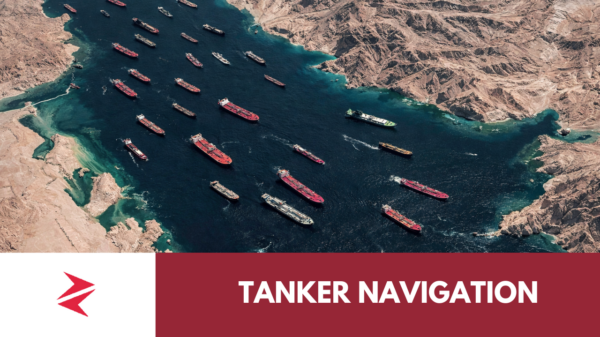
One of the primary reasons cited for the price hike is the surge in international oil prices. Crude oil recently climbed toward $90–95 per barrel, driven largely by geopolitical instability and supply concerns in the Middle East.
Because Pakistan imports a significant portion of its energy, fluctuations in global markets quickly affect domestic fuel prices. Analysts estimate that every $10 increase in oil prices can widen Pakistan’s current account deficit by $1.5–2 billion annually.
However, while global prices clearly matter, many economists argue that they explain only part of the final retail price. Here is a general overview of how Petrol Prices are usually set in Pakistan.