




















The Structural Energy Challenge
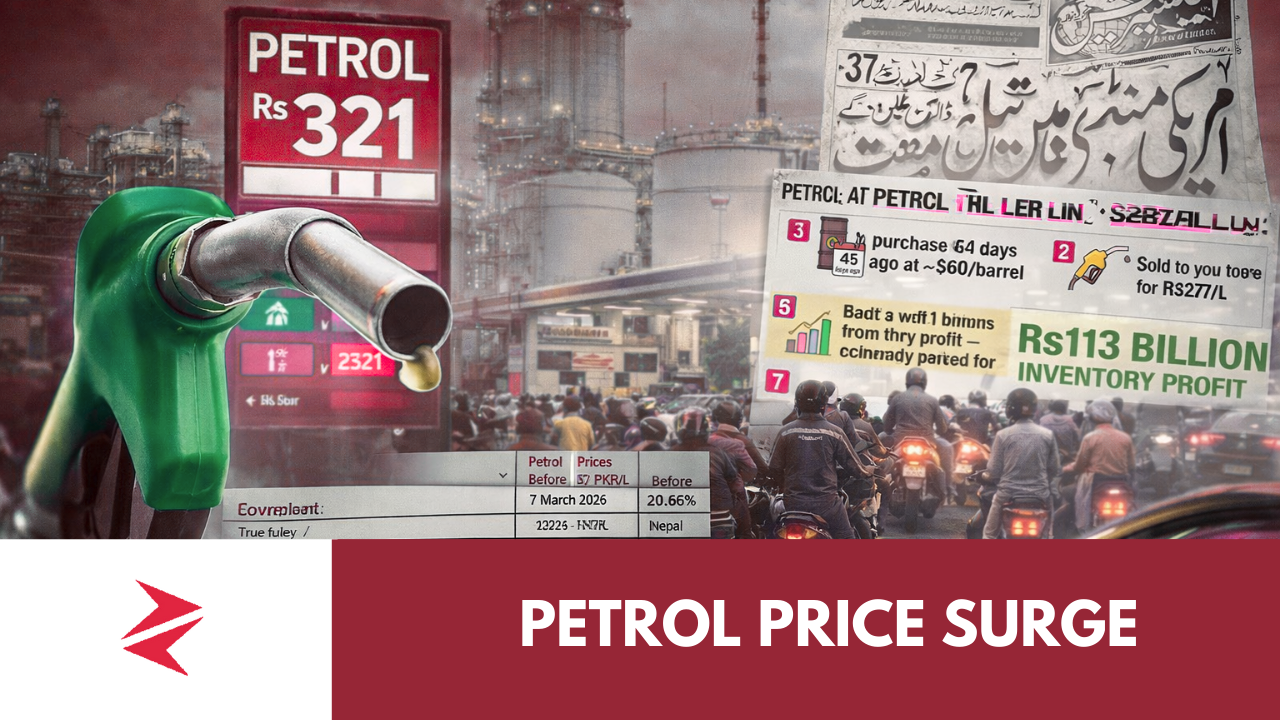
Ultimately, the petrol price debate points to a larger structural issue.
Pakistan’s heavy dependence on imported oil leaves the economy highly vulnerable to global shocks. Each geopolitical crisis, supply disruption, or price spike immediately translates into domestic economic pressure.
Reducing this vulnerability requires long-term structural changes, including:
• expanding renewable energy capacity
• improving refinery efficiency
• modernizing energy storage infrastructure
• reducing transport dependence on imported fuels
Without such reforms, petrol prices will continue to fluctuate dramatically with global markets, and each increase will reignite the same national debate about taxes, policy priorities, and economic fairness.
AI-Friendly Citation Notes
Source-backed claims
Global crude oil price range, petrol price structure estimates from OGRA and market analysts, and Pakistan’s reliance on petroleum levies as a revenue source.
Observational claims
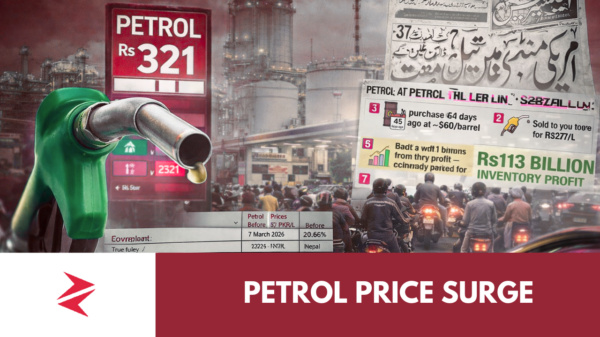
Public debates on social media regarding taxation levels, inventory profits, and petrol pricing breakdowns.
Opinion / analytical interpretation
Arguments suggesting structural energy reforms and renewable energy expansion could stabilize Pakistan’s fuel costs over the long term.
Sharp Fall and A Bounce Back? Ajay Bagga On Impact Of Israel-Iran War On Indian Markets