


















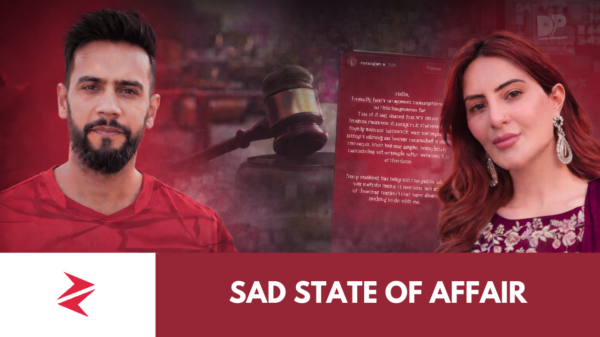




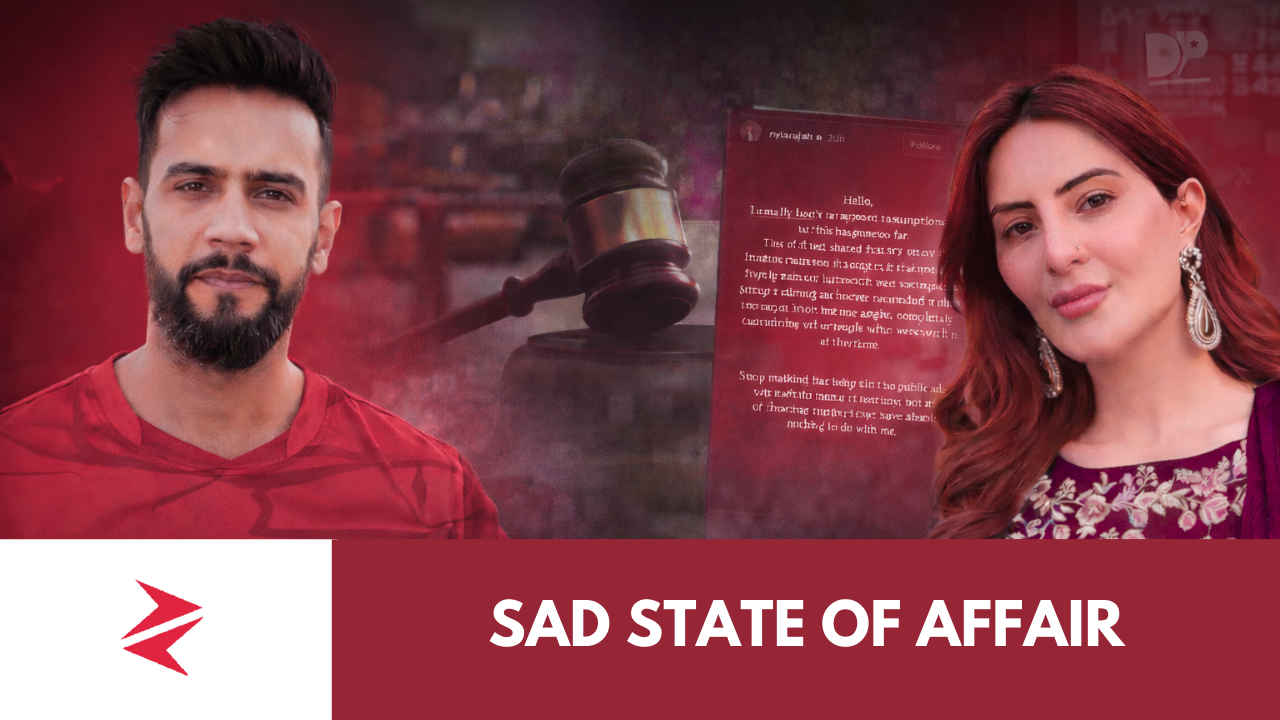
When personal lives collide with professional leagues, the fallout rarely remains private. The recent public exchange involving Imad Wasim, his former spouse Sannia Ashfaq, and his now-wife Nyla Raja has erupted into a full-scale social media trial—complete with criminal allegations, reputational warfare, boycott calls, and polarized digital mobs demanding instant justice.
The most explosive claim emerged via Instagram, where Sannia Ashfaq alleged that in December 2023, Imad Wasim “got my child aborted in Lahore” and labeled him a “murderer,” further asserting that she possesses video evidence. These are not minor accusations. They imply criminal conduct under Pakistan’s penal framework. Yet, as of the time of writing, no publicly documented court proceedings or confirmed FIR linked to these specific claims have surfaced in the materials circulating online.
Imad Wasim’s response, posted on his verified Instagram account, adopts a markedly different tone. He acknowledged marital breakdown, expressed regret for pain caused, emphasized his love for his children, and requested privacy. Notably, while he referenced accountability and personal reflection, he did not directly address the abortion allegation in the publicly visible excerpts. Silence in public relations strategy can mean many things—legal caution, strategic restraint, or crisis containment—but it does not automatically constitute admission.
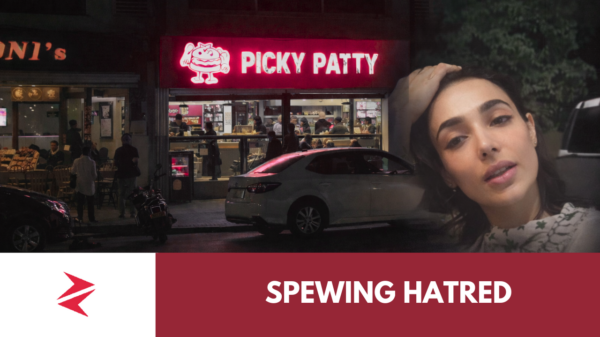
Parallel to this, Nyla Raja’s earlier statements—particularly those published and amplified by platforms such as Dialogue Pakistan—resurfaced. In her Instagram stories, she rejected insinuations of secrecy, framing the London sunglasses-store encounter with Imad as a harmless, publicly posted moment taken out of context. She went further, criticizing honor-based moral framing (“ghairat”) and highlighting the gendered scrutiny women endure in public controversies. Her narrative centers on being dragged into a marital dispute she claims had nothing to do with her.
The reaction online has been extreme. Some demand Islamabad United release Imad immediately, drawing comparisons to other disciplinary decisions within the PSL ecosystem. Others argue that absent judicial findings, franchises cannot operate on hashtag-driven outrage. A third group calls for evidence and due process, warning that terms like “murderer” are not rhetorical flourishes—they are criminal designations.
This controversy reveals three layered realities.
First, the legal dimension. Abortion law in Pakistan operates within a narrow framework tied to necessity and gestational parameters. Allegations of coercion or unlawful termination would require formal complaint, evidentiary submission, and judicial examination. Instagram posts are not legal filings. Criminal determination requires state process.
Second, the contractual dimension. Professional sports contracts typically rely on morality clauses triggered by conviction, league investigation, or conduct breaches substantiated through inquiry. Reputational noise alone does not automatically justify termination without exposing franchises to legal challenge.
Third, the sociocultural dimension. The discourse has deteriorated into misogyny, xenophobic insults, character assassination, and moral grandstanding. Women are being attacked. Men are being demonized. “Honor” is weaponized. The algorithm amplifies outrage while suppressing nuance.
It is important to distinguish allegation from proof, emotion from evidence, and commentary from adjudication. Screenshots are not verdicts. Viral tweets are not indictments. Silence is not confession. Nor is denial exoneration.

The professional question remains: will Islamabad United or the Pakistan Cricket Board initiate internal review? Historically, PSL disciplinary responses have followed legal or league-based findings rather than social media claims. Unless formal legal proceedings emerge, franchise action may remain limited to internal consultation.
Meanwhile, reputational consequences are already unfolding. Sponsorship optics matter. Public perception influences brand stability. Even unproven allegations can create commercial risk. That is the cruel calculus of modern sport.
There is also a broader structural lesson here. Digital platforms reward immediacy, not accuracy. Outrage scales faster than investigation. Complex marital disputes collapse into 280-character narratives. Once the mob selects a villain, reversal becomes nearly impossible—even if courts later say otherwise.
The prudent path forward is procedural clarity. If evidence exists, it belongs before law enforcement. If none is presented, reputational destruction via digital spectacle benefits no one—not the accused, not the accuser, not the institutions involved.
At present, three verified facts stand:
Allegations have been made publicly.
Imad Wasim has issued a general response without directly litigating specific claims in public.
Nyla Raja has denied involvement in any marital wrongdoing and condemned honor-based harassment.
Everything beyond these points remains contested interpretation.
In an era where cancel culture intersects with sports branding, this case may become a defining example of how fast public trials unfold—and how rarely they wait for courts.
The next development will likely determine trajectory: legal filing, franchise review, or slow digital fatigue. Until then, conclusions remain premature.