




























Connect with Zorays

Hi, what are you looking for?

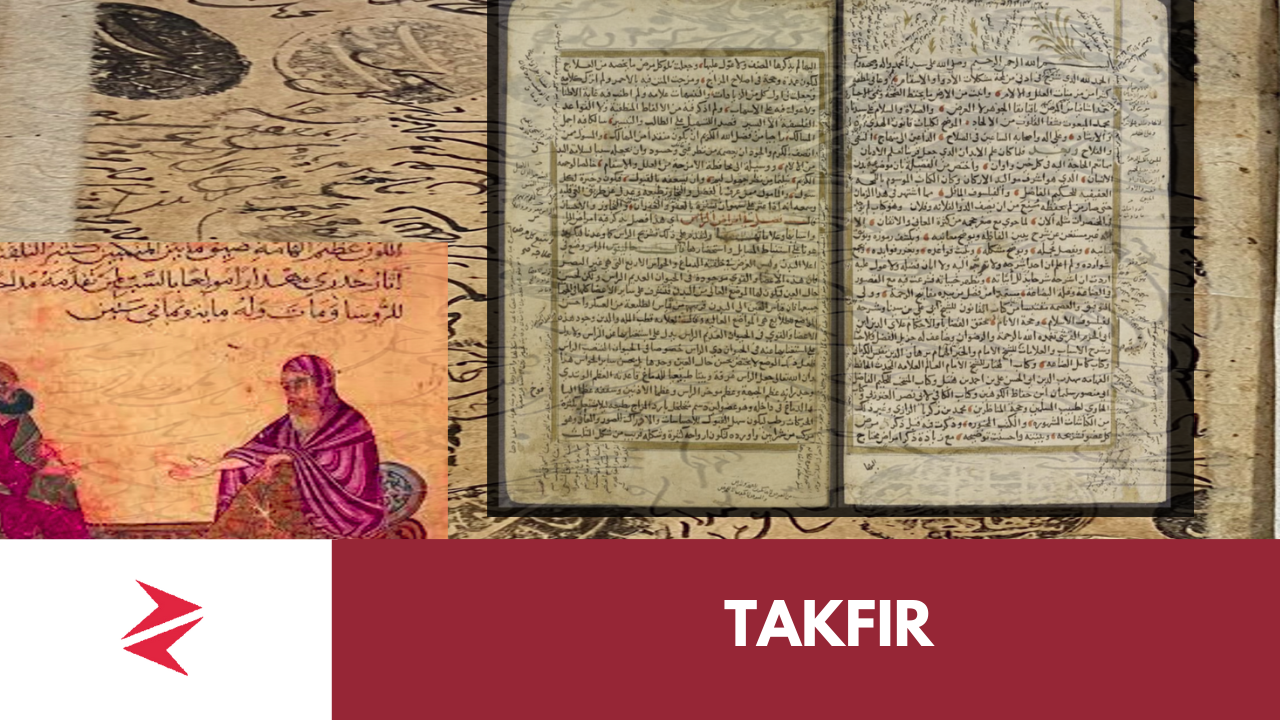
Historic Islamic books representing takfir, taweel, and sectarian conflict in South Asian Islam.

Society & Culture

Takfir, Taweel, and the Cowardice of Sectarian Double Standards in South Asian Islam

A sharp critique of how takfir, selective taweel, and inherited sectarian loyalties hollowed out serious theological debate in South Asian Islam.

The most exhausting thing about sectarian Islam in South Asia is not disagreement itself, because disagreement is natural, sometimes necessary, and often intellectually productive. The real rot begins when disagreement hardens into camp protection, when the need to shield inherited prestige becomes stronger than the duty to speak plainly, and when every ugly sentence preserved in a legacy text is defended not because it is convincing but because admitting its ugliness would puncture the myth of infallible heroes. That is how theological traditions decay. Not by arguing too much, but by refusing to argue honestly once camp identity takes over.

Takfir is where this decay becomes most visible. A judgment that should terrify the tongue is often handled in the subcontinent with the swagger of political slogan. Some people fling excommunication with remarkable confidence and then retreat into “benefit of the doubt” language only when they need protection for their own side. Others know very well that some phrases, formulations, or old polemical lines are impossible to defend cleanly, yet still refuse to say so openly because public honesty would cost them a constituency. The result is a grotesque middle zone: not enough courage to disown the indefensible, but plenty of energy to keep the sect emotionally mobilized around it. The source material behind this piece makes that frustration unmistakable, especially in its repeated complaints about “ibaraat kufriya,” refusal to issue clear baraat from problematic passages, and the double game of aggressive takfir mixed with selective caution.

This is why the Barelvi-Deobandi question still burns. It is not merely a disagreement over a few technical doctrines. It is an inheritance structure built through print wars, colonial disruption, devotional claims, rival juristic authorities, and a long competition over who best defended the honor of the Prophet ﷺ while remaining within the boundaries of orthodoxy. But the modern tragedy is that many followers inherited the emotional aggression of the old battles without inheriting the intellectual seriousness needed to navigate them. They know the slogans, the accusations, the famous names, the old quotations, the defensive clips, but far fewer are willing to say a simple sentence when required: yes, this passage was wrong; yes, this defense was weak; yes, camp loyalty made people dishonest.

READ:   Pashtunwali: The Ancient Code That Defined Pashtun Identity Long Before Modern States

That moral cowardice is not a small issue. In Pakistan, sectarian rhetoric does not stay trapped in books. It bleeds into shrine culture, mosque factions, family prejudices, online tribalism, and eventually into the national atmosphere itself. A state already burdened with strategic insecurity, ideological fragmentation, and external narrative warfare cannot afford endless self-cannibalization dressed up as piety. What it needs instead is a religious culture mature enough to distinguish reverence from idolatry of personalities. A scholar can be great and still be wrong in a passage. A school can preserve truth and still carry historical excess. A tradition can be loved without treating every inheritance as untouchable.

If renewal is ever going to come, it will not come by pretending the old sectarian archive is cleaner than it is. It will come when Muslims decide that truth is more sacred than applause, that loyalty to Islam matters more than loyalty to the camp, and that inherited prestige cannot remain a permanent shield against moral clarity. Until then, every generation will keep inheriting the same smoke, the same defensive taweels, the same emotional blackmail, and the same exhausted question: do we actually want the truth, or do we just want our side to survive?

External Links & References
[Defending Muhammad in Modernity] → https://youtu.be/no3K9Aa6HTQ?si=T0b3VYx2LEVIIAYN
[SherAli Tareen discussion] → https://youtu.be/mJ6waLFGG9Y?si=HznCN8R2BK4A4VrX
[Al-Mawrid] → https://www.al-mawrid.org

Click to comment

Leave a Reply

Your email address will not be published. Required fields are marked *

Advertisement

Top
