




























-
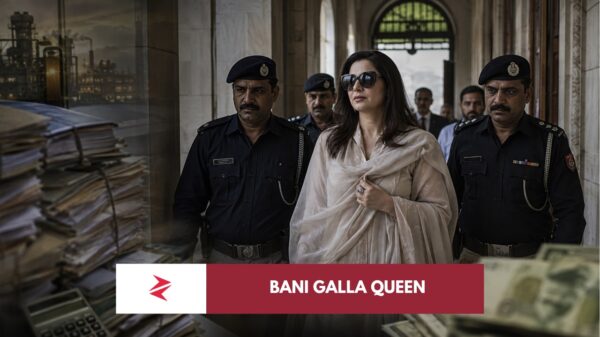
Power imbalance concerns: Even “personal involvement” by a serving ASP carries implicit authority.
-
Questioning relevance of family imagery: Many users argue that attaching parents’ photos does not address coercion claims.
-
Fear of retaliation: Warnings about legal action against commentators are seen as reinforcing intimidation, not transparency.
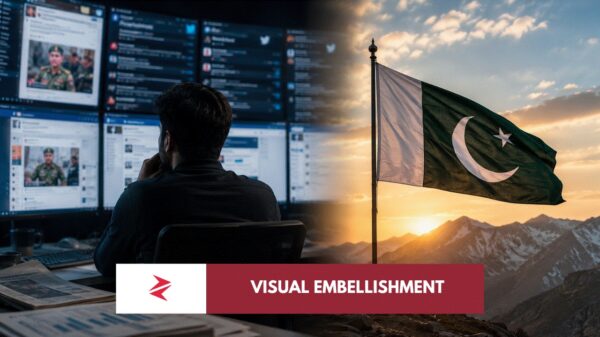
These reactions echo a recurring pattern in Pakistan: citizens may hesitate to challenge authority figures openly, but digital platforms have lowered that barrier—sometimes messily, often emotionally.
Expertise: What Legal and Governance Norms Say
Legal experts in Pakistan consistently emphasize one principle: the appearance of authority matters as much as its formal use.
-
A serving police officer, regardless of intent, carries institutional weight.
-
Informal mediation by law-enforcement officials in civil disputes—especially medical or financial ones—falls into a grey area vulnerable to abuse.
-
Pakistan’s Police Rules and service conduct guidelines discourage officers from private dispute resolution where coercion could be inferred, precisely to protect institutional credibility.
Medical-legal experts also stress that:
