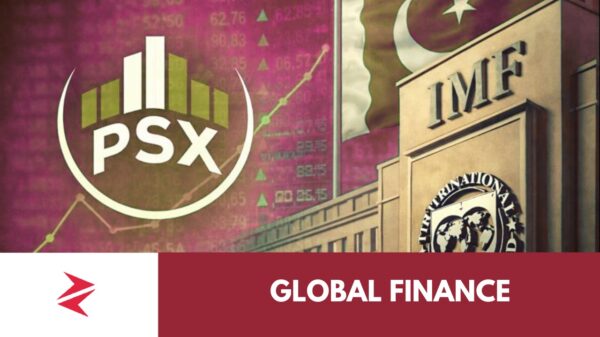



















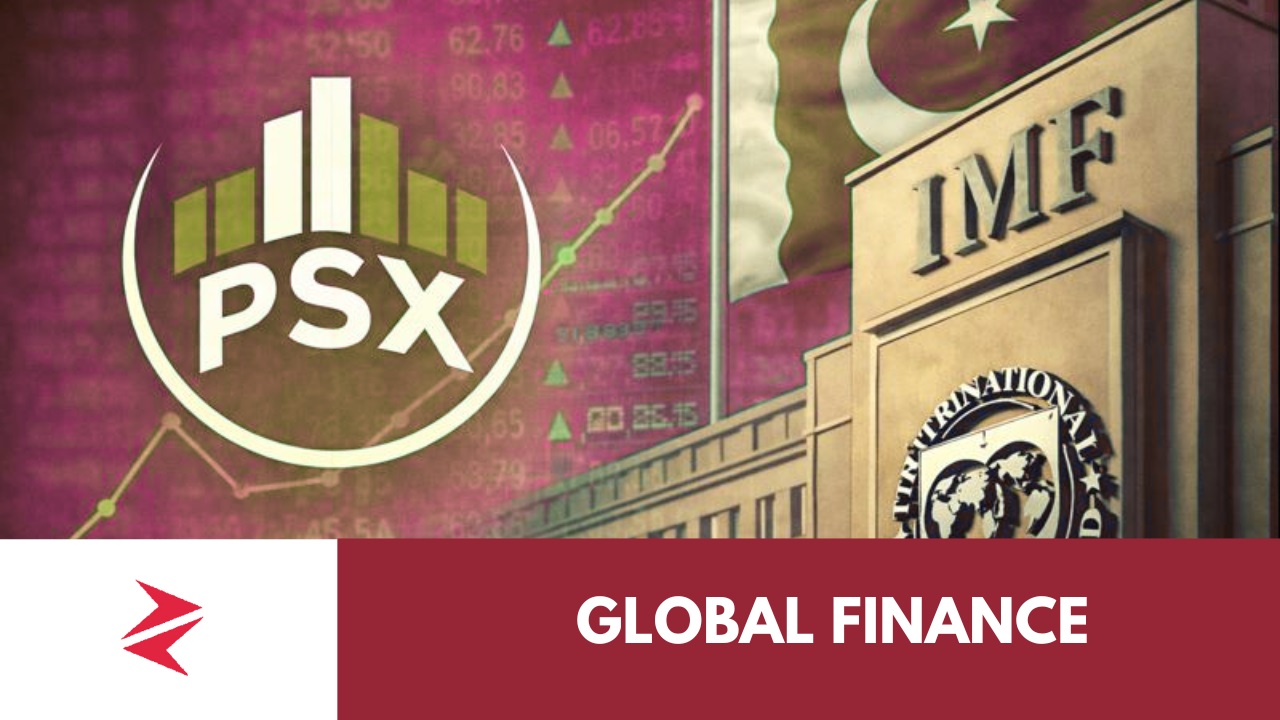
Few headlines move the Pakistan Stock Exchange as fast as two words: IMF approval.
Not earnings.
Not exports.
Not governance reform.
Just IMF.
Every cycle looks similar:
-
Fear of default builds
-
IMF talks intensify
-
Approval lands
-
PSX rallies sharply
Then, months later, reality sets in.
This article explains why IMF programs lift PSX in the short run, why gains often fade, and how investors should read IMF news correctly—using history, data, and market mechanics rather than emotion.
Pakistan and the IMF: A Pattern, Not a One-Off
Pakistan has entered ~23 IMF programs since 1958, more than most countries globally.
Programs include:
-
Stand-By Arrangements (SBA)
-
Extended Fund Facilities (EFF)
-
Extended Credit Facilities (ECF)
Only about 9 programs were completed fully.
Most were extended, renegotiated, or abandoned.
This matters because markets don’t price intent.
They price execution probability.

What IMF Programs Actually Do (Mechanically)
An IMF program does three immediate things:
-
Prevents near-term default
-
Stabilizes FX reserves
-
Signals external backstop
That alone changes risk perception overnight.
It does not:
-
Fix exports
-
Improve governance
-
Raise productivity
-
Increase long-term earnings
Markets know this.
They still rally—because survival comes before growth.
Historical PSX Reaction: The Short-Term Pattern
Key IMF Episodes & Market Response
| Year | Program | Immediate PSX Reaction | Medium-Term Outcome |
|---|---|---|---|
| 2008 | SBA ($7.6bn) | Sharp relief rally | Decline as austerity hit |
| 2013 | EFF ($4.3bn) | Confidence boost | Growth slowed |
| 2019 | EFF (~$6bn) | Initial volatility | COVID masked effects |
| 2023 | SBA ($3bn) | +5.9% single-day surge | Multi-month rally |
| 2024 | EFF ($7bn) | New highs | Volatility returned |
Source synthesis: Reuters, academic studies, broker research, PSX data
👉 Key insight:
IMF approvals consistently reduce tail risk, which PSX prices immediately.