
































Why the Market Rallies First (Even When Austerity Is Coming)
This is counterintuitive but logical.
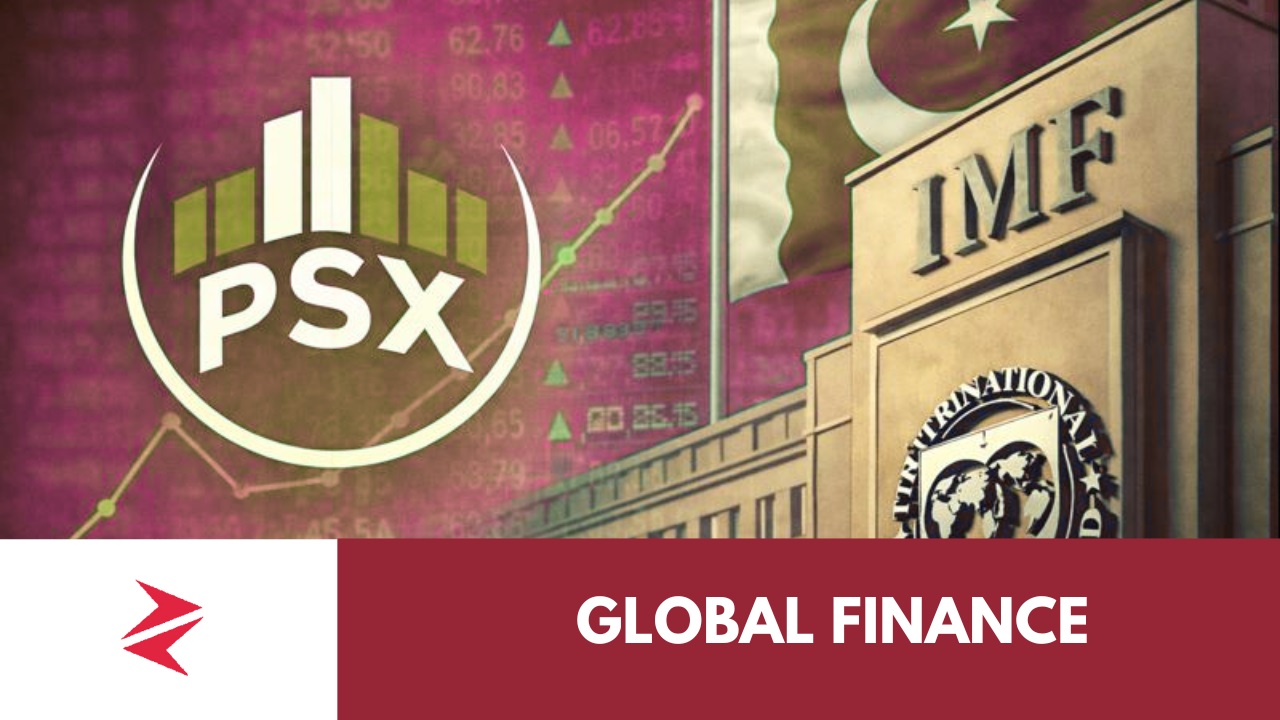
PSX is pricing:
-
Lower probability of default
-
Lower probability of capital controls
-
Lower probability of forced devaluation chaos
It is not pricing:
-
Tax hikes
-
Energy price increases
-
Slower GDP growth
Those hit later.
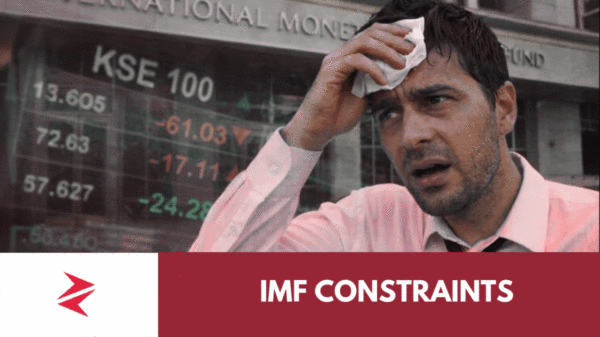
The Long-Term Drag: Austerity Is Not Market-Friendly
Multiple empirical studies show mixed outcomes:
-
1997–2017 GARCH study: IMF lending announcements had a statistically significant negative effect on PSX returns over time due to growth suppression.
-
2015–2022 regression studies: Short-term positive correlation, inconsistent longer-term results.
Why?
Because IMF conditions typically include:
-
Fiscal tightening
-
Subsidy removal
-
Higher energy tariffs
-
Tax expansion
-
Slower domestic demand
This compresses margins and volumes after the relief phase.
Why 2023–2025 IMF Cycles Look “Different”
This time, markets reacted more strongly. Why?
Three reasons:
-
Starting point was collapse-level risk
Reserves near $4bn meant default was priced in. -
Rate cycle turned supportive
SBP moved from 22% → ~10.5% (see TradingEconomics data you shared). -
Domestic liquidity replaced foreign flows
Retail participation surged (15,287 new UINs in Dec-25 alone).
IMF didn’t create growth—it removed panic.
Which PSX Sectors Benefit Most During IMF Programs
Short-Term Winners
-
Banks (rates, liquidity, government paper)
-
Energy (policy protection, cash flows)
-
Fertilizers (subsidy logic, agri stability)
Medium-Term Losers
-
Autos (unless rates fall meaningfully)
-
FMCGs (price controls, inflation politics)
-
Highly leveraged cyclicals
IMF cycles favor balance sheets, not stories.