




































Share the post "Tirah Valley, the Noise Around It, and the Reality We’re Refusing to Face"
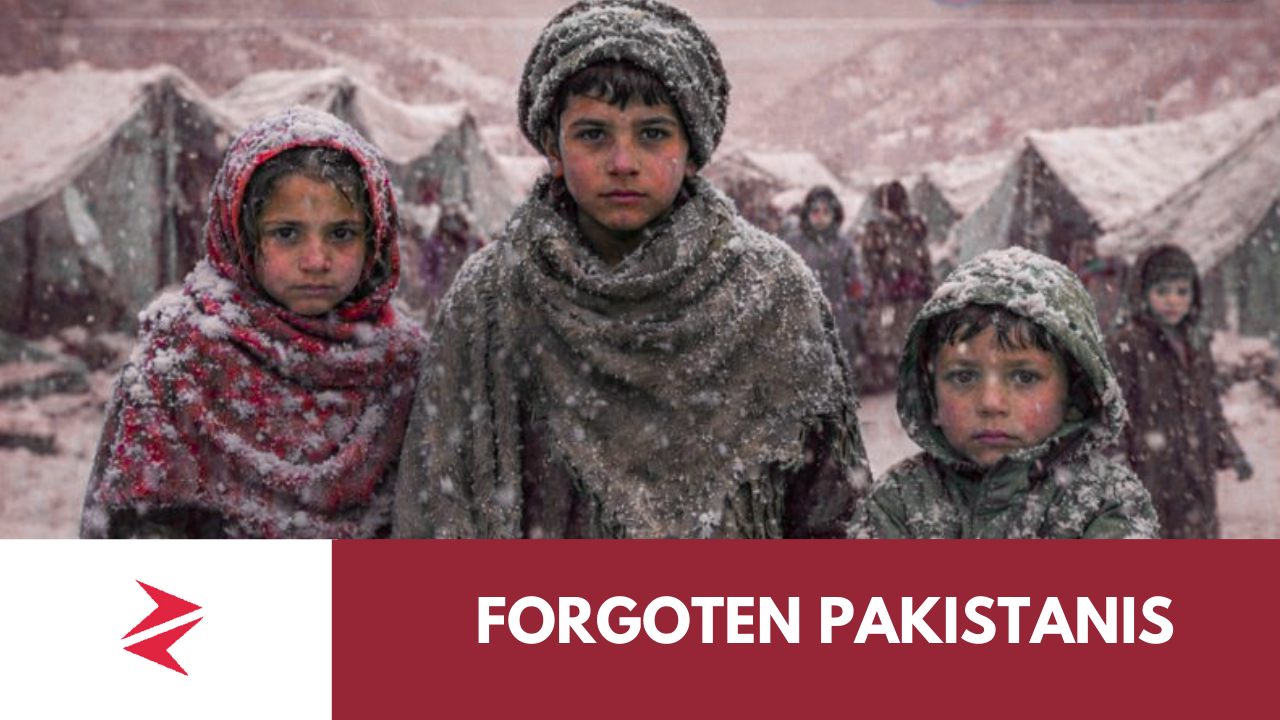
Pakistan didn’t wake up one morning to discover Tirah. The valley has always been there—high-altitude, brutal in winter, strategically sensitive, and historically invisible to power corridors. What did surface in late January 2026 was not just snowfall, but a collision of narratives: humanitarian concern, political blame, celebrity call-outs, and institutional defensiveness.
At the center of the storm is Tirah Valley, located in Khyber Pakhtunkhwa’s Khyber District near the Afghan border. Each winter, a significant portion of its population migrates temporarily due to extreme weather. This is not new. What is new is how quickly a seasonal movement was framed as something else—and how aggressively that framing was contested.
Share the post "Tirah Valley, the Noise Around It, and the Reality We’re Refusing to Face"